Philodendron scandens Care – The Classic Climber
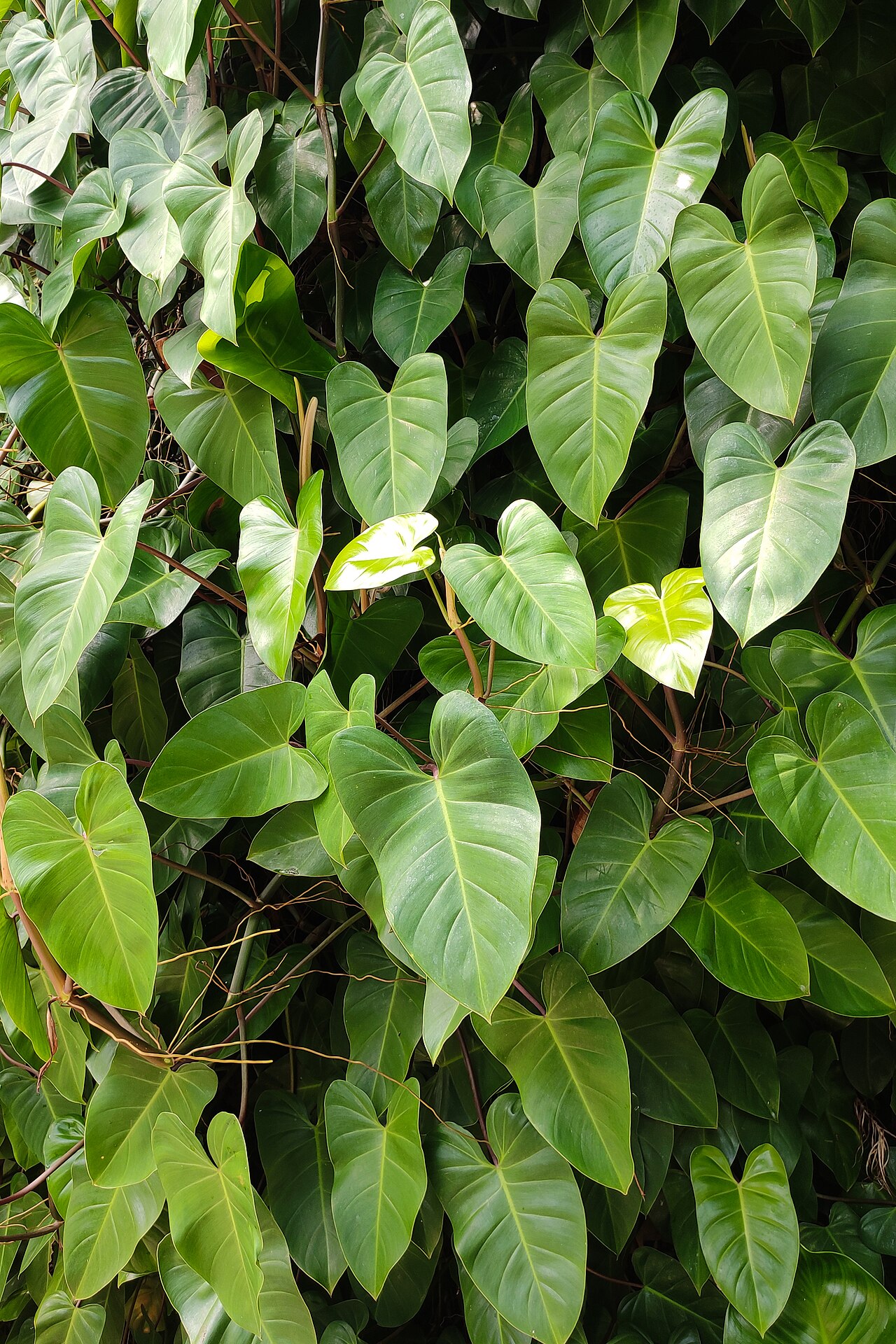
Philodendron scandens – The Classic Climber with Tropical Flair
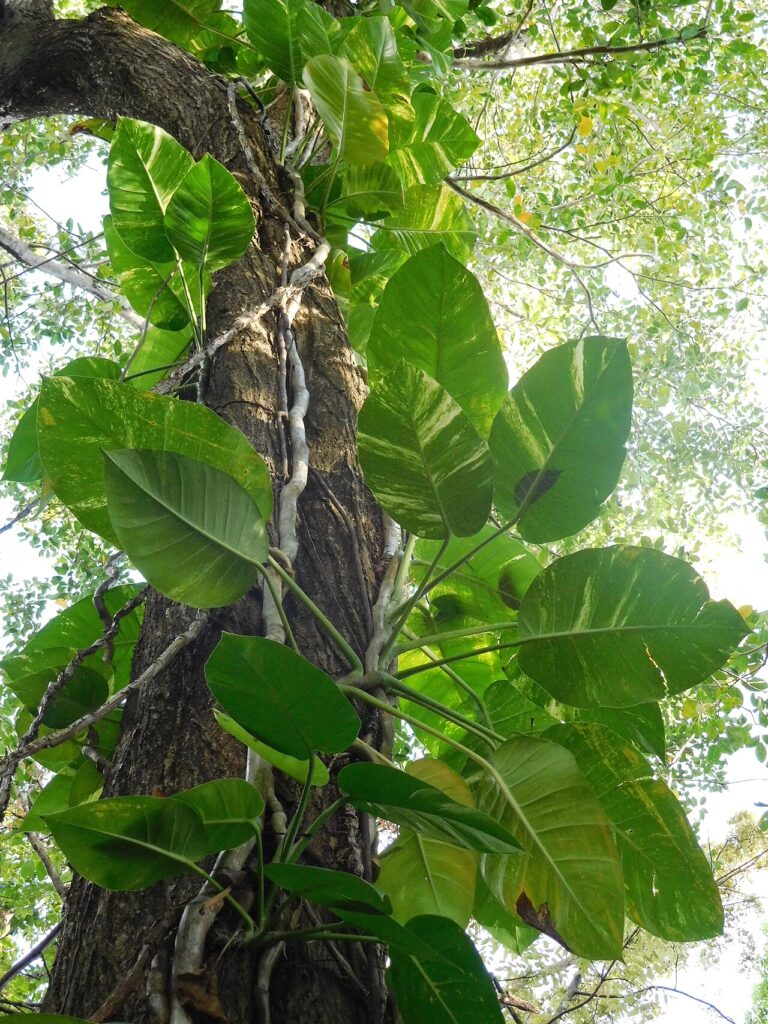
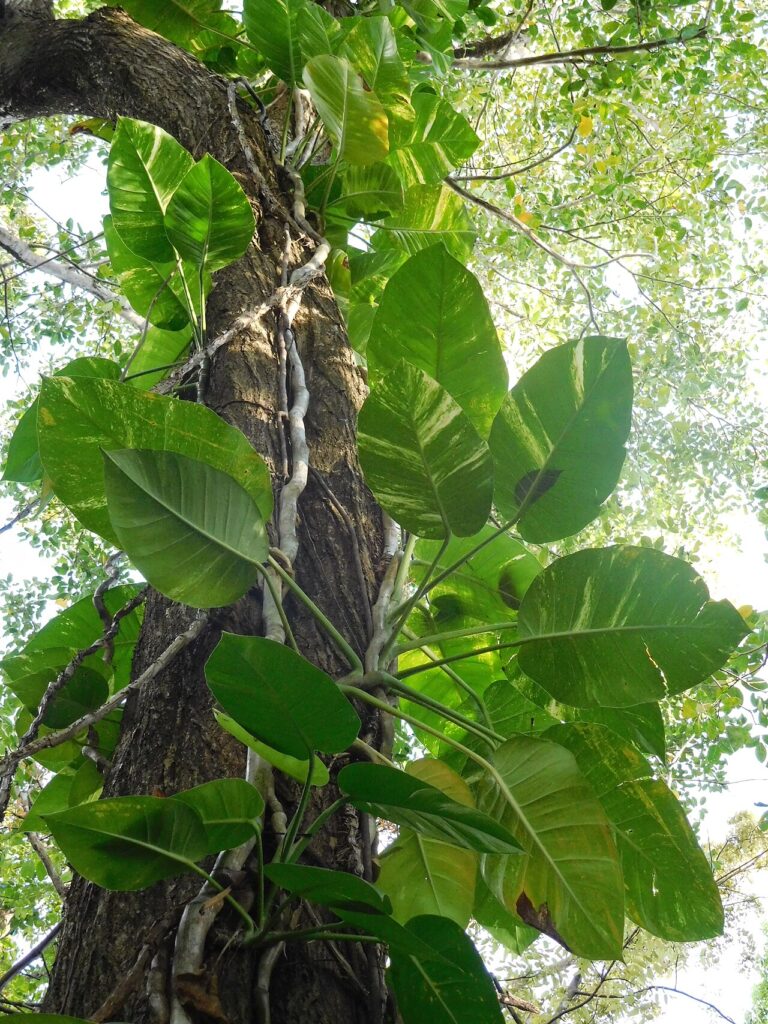
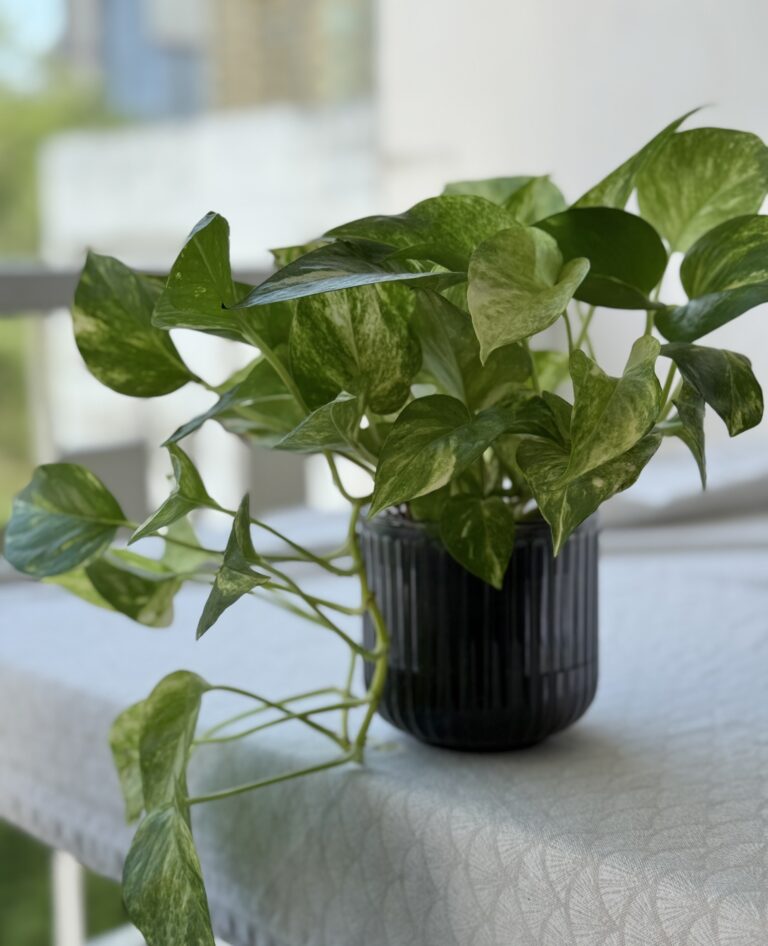
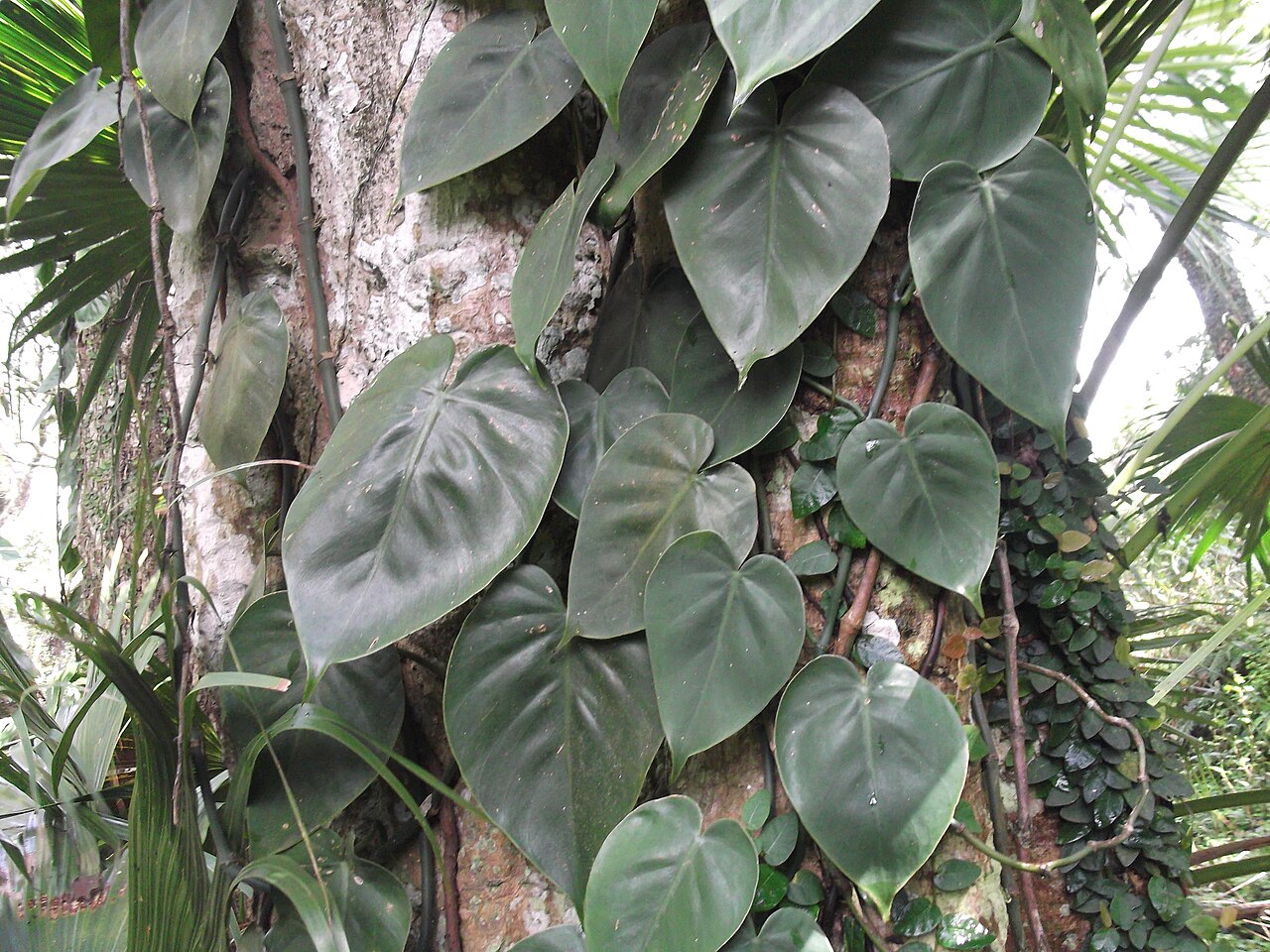
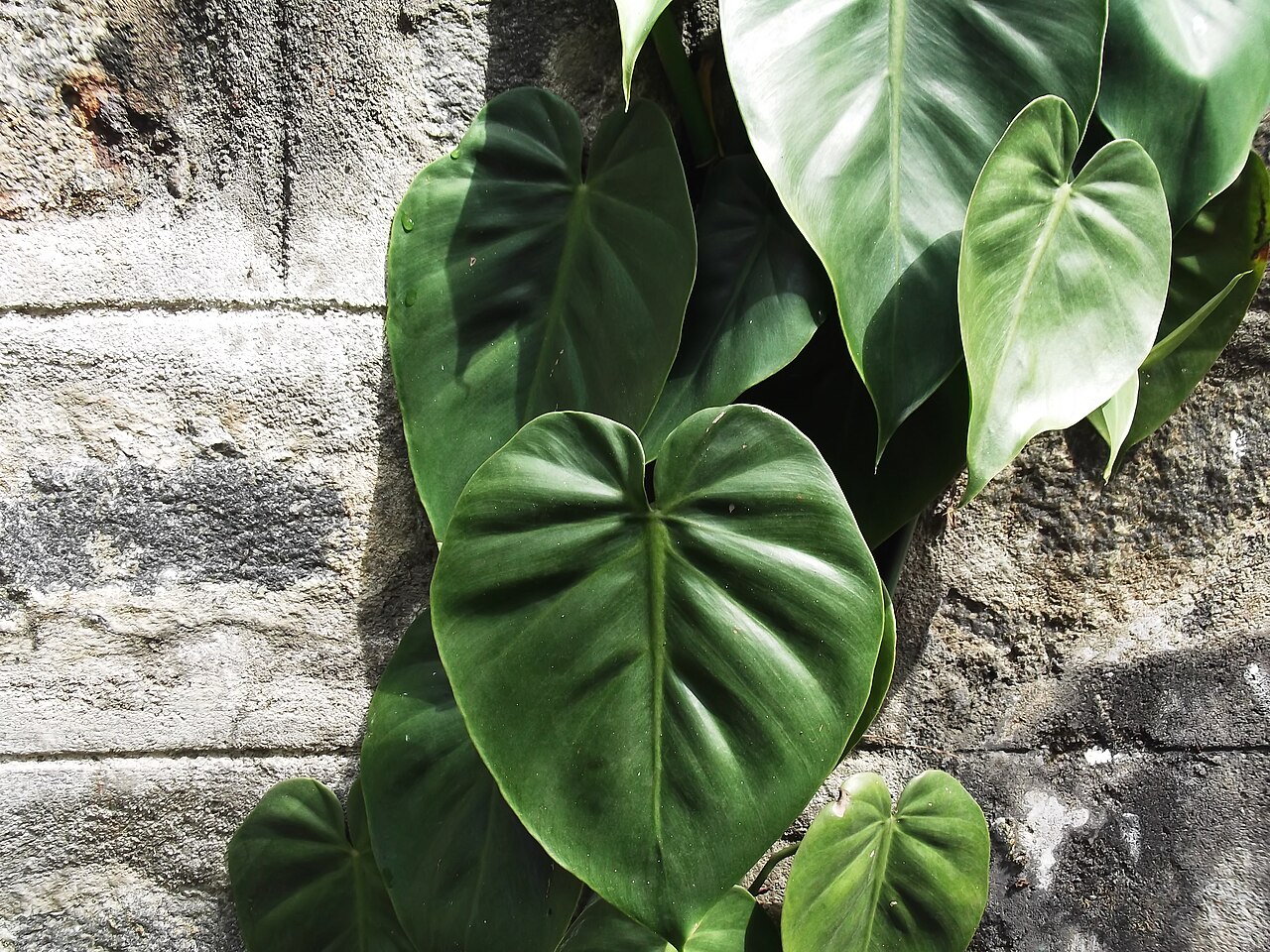
Philodendron scandens, also known as the climbing philodendron or Philodendron cordatum, is one of the most rewarding and versatile houseplants around. With its heart-shaped, glossy leaves growing along long, flexible vines, it works equally well as a trailing plant or as a climber. Originally native to the tropical rainforests of Central and South America, Philodendron scandens has proven remarkably adaptable. It thrives even in fairly dark spots, forgives care mistakes, and still grows reliably and quickly. No wonder it has been one of the most popular houseplants for decades and is currently enjoying a real renaissance in urban plant collections.
Location and Light – Flexible and Undemanding
Philodendron scandens is one of the most shade-tolerant houseplants there is. It thrives even at north-facing windows or several meters away from any window. A bright to partially shaded spot without direct sun is ideal — an east or west window works well, and so does a bright north window. Direct sun causes leaf burn and should be avoided. In low light, the plant grows more slowly, the gaps between leaves get longer, and the leaves stay smaller, but it won’t die.
The ideal temperature range is 18 to 25°C (64–77°F). This tropical plant doesn’t tolerate temperatures below 15°C (59°F) well — it stops growing and can drop leaves. Avoid cold drafts and don’t place the plant right next to a window that’s opened often.
Watering and Humidity
Philodendron scandens likes to stay evenly moist, but never wet. Let the top layer of soil dry out slightly between waterings. Water about once or twice a week in summer, less often in winter — roughly every 10–14 days. Use room-temperature, low-lime water. A reliable test: push a finger 2–3 cm into the soil — if it’s dry, it’s time to water. Yellow leaves are the classic sign of overwatering.
As a tropical plant, philodendron appreciates high humidity. Especially in winter, when heating dries out the air, mist the leaves every few days with low-lime water. Brown leaf tips are a reliable sign that the air is too dry. Occasionally wiping the large leaves with a damp cloth removes dust, keeps them glossy, and supports photosynthesis.
Fertilizing for Lush Growth
During the main growing season from March to September, feed your philodendron every two weeks with a green-plant fertilizer that has a good nitrogen content for rich, dark green leaves. In winter, cut back to once a month or stop feeding altogether.
Climbing or Trailing – Two Styling Options
Philodendron scandens is extremely versatile when it comes to styling. As a trailing plant in a hanging basket or on a tall shelf, its vines cascade elegantly downward — with good care they can grow several meters long. As a climbing plant on a moss pole or trellis, it grows upward and develops larger leaves over time. It’s especially decorative when trained along shelves, picture frames, or even door frames. Attach the vines gently with small clips or plant ties.
For a bushier habit, prune the vines regularly. Cut long, bare vines just above a leaf node — new side shoots will soon sprout at the cut. The trimmed pieces make perfect cuttings for propagation.
Propagation by Cuttings
Propagation couldn’t be easier: cut sections of vine with at least two to three leaves and a leaf node, and place them in a glass of room-temperature water. Sturdy roots form within two to three weeks. Once they’re about 5 cm long, pot the young plant into loose potting soil. For a fuller, bushier plant, pot several cuttings together in one container. Philodendron scandens is one of the most reliable plants for water propagation — the success rate is close to 100%.
Repotting and Substrate
With good care, philodendron grows fairly quickly and should be repotted every one to two years. Spring is the best time. Use high-quality, loose potting soil and make sure drainage is good. A pot that’s too big isn’t necessary — philodendrons actually prefer a somewhat snug root space. Signs that it’s time to repot include roots growing out of the drainage hole or noticeably slowed growth.
Common Problems and How to Fix Them
| Problem | Cause | Fix |
|---|---|---|
| Yellow leaves | Overwatering | Water less; let the soil dry out |
| Brown leaf tips | Air too dry, or lack of fertilizer | Mist regularly; check feeding schedule |
| Long, sparse vines | Not enough light | Move to a brighter spot; prune |
| Small, pale new leaves | Nutrient deficiency | Fertilize regularly |
| Sticky leaves | Scale insects or aphids | Wash off with a mild soap solution |
Conclusion: The Perfect Beginner Philodendron
Philodendron scandens is the ideal choice for anyone looking for a low-maintenance, fast-growing, versatile houseplant. It thrives even in shady spots, forgives the occasional missed watering, and propagates effortlessly. Whether grown as a trailing plant, a climber, or ground cover, this climbing philodendron adapts to any styling idea. For rich green leaves and vigorous growth, feed it regularly with a good-quality green-plant fertilizer. With a Philodendron scandens on your shelf, you bring a piece of tropical rainforest into your home — with hardly any effort at all.