Growing Strawberries: From Seedling to Sweet Harvest in Your Own Garden
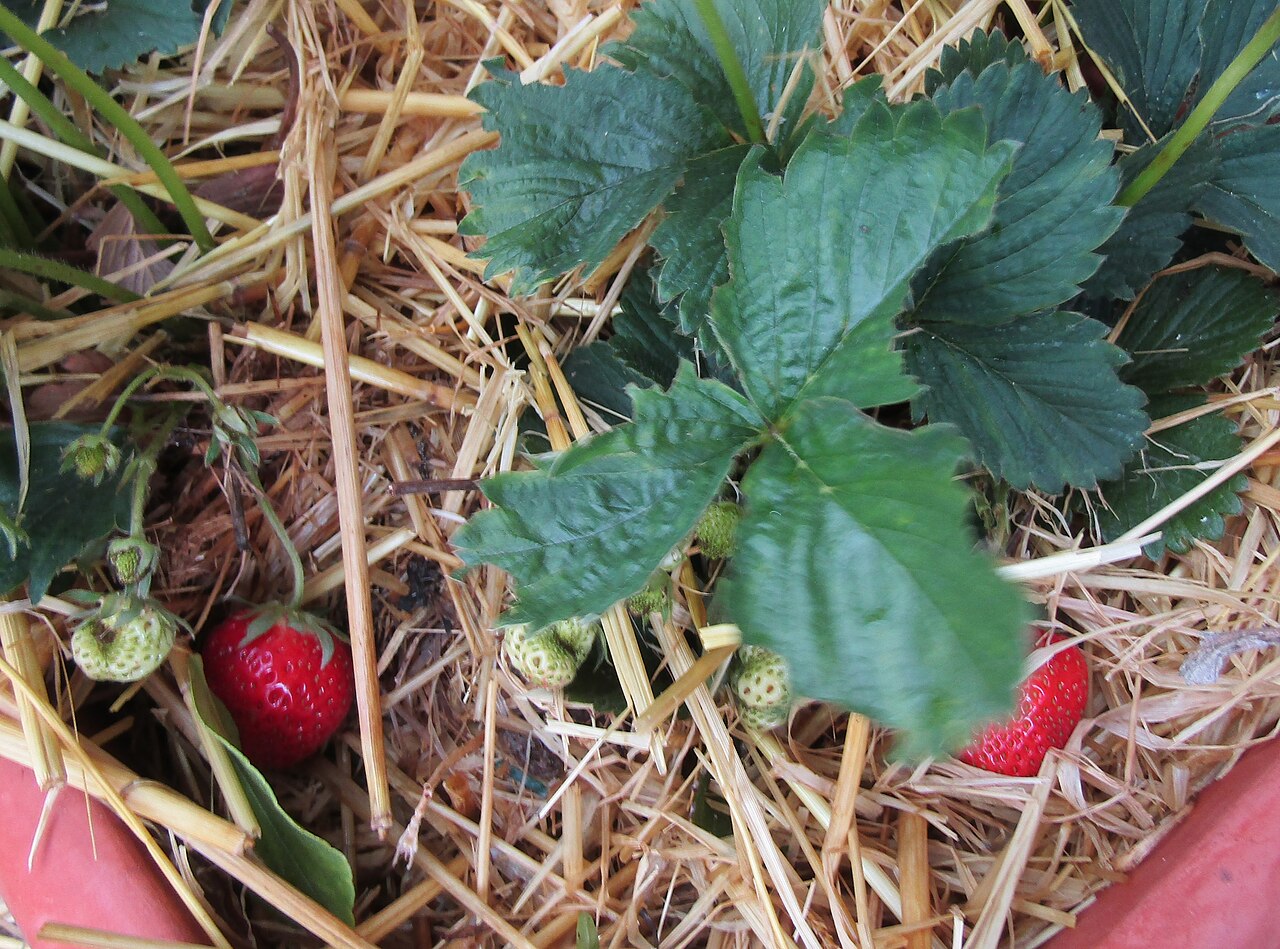
I’d appreciate if you could mail me (Kolforn@gmail.com) if you want to use this pi (CC BY-SA 4.0, Wikimedia Commons)
Growing Strawberries: From Seedling to Sweet Harvest in Your Own Garden
Strawberries from your own garden are an incomparable treat. Sun-ripened, aromatic, and straight from the bed to your mouth – that’s the taste of summer! Unlike the often watery, early-picked fruit from the supermarket, home-grown strawberries develop an intense sweetness and full flavor you can really taste. Best of all, strawberries are remarkably easy to care for and thrive even in small spaces – in a raised bed, a balcony planter, or even hanging pots. In this guide, you’ll learn step by step what matters when growing strawberries, from choosing a variety and finding the right location to harvesting.
The Best Strawberry Varieties for the Home Garden
Choosing the right variety plays a major role in how successful your harvest will be. There are basically three types: June-bearing varieties, which produce one abundant main harvest within a few weeks – ideal if you want to process large quantities at once. Everbearing varieties produce fruit continuously from June to October and are perfect for daily fresh eating. And finally, day-neutral strawberries, compact plants that bear fruit for an especially long time and are ideal for balcony planters.
- ‘Elsanta‘ – The most widely grown variety in Germany. Large, firm fruit with excellent flavor, high-yielding and robust.
- ‘Mieze Schindler’ – An aromatic wild-strawberry hybrid with an unmatched wild-berry flavor. Smaller fruit, but unbeatable in taste.
- ‘Ostara’ – An everbearing variety that reliably produces new blooms and fruit from June until the first frost. Perfect for snack gardeners.
- ‘Mara des Bois’ – A French cultivar with an intense wild-berry aroma, everbearing and absolutely delicious. A bit more demanding, but worth the effort.
- ‘Korona’ – A robust, June-bearing variety with soft, very juicy, and aromatic fruit. Ideal for jam and cakes.
Location and Soil – The Foundation for a Rich Harvest
Strawberries are real sun worshippers. A full-sun location with at least six hours of direct sunlight is ideal – the more sun, the sweeter and more flavorful the fruit becomes. Partial shade is tolerated, but leads to a lower yield and less intense flavor. Wind protection also matters: an airy but not overly drafty spot helps prevent fungal diseases, since the leaves dry off faster after rain.
The soil should be deep, humus-rich, and well-draining. Strawberries hate waterlogging – if you have heavy clay soil, it’s best to work in sand and mature compost. The ideal pH is between 5.5 and 6.5, in the slightly acidic range. One important tip: do not plant strawberries where strawberries or potatoes have grown within the past three years. This crop-rotation rule helps prevent soil fatigue and root diseases.
Prepare the bed about two weeks before planting: loosen the soil to a spade’s depth and work in 3–4 liters of mature compost per square meter. For optimal nutrient supply, a specialized slow-release berry fertilizer can also be worked in before planting.
Planting Time and Spacing
The best time to plant strawberries is from mid-July to the end of August. Young plants set out at this time have enough time to develop strong roots before winter and will already deliver a full harvest the following year. Spring planting in March/April is also possible, but the first-year harvest will be noticeably smaller.
The correct spacing is 25–30 cm within a row and 50–60 cm between rows. Plant so that the crown – the thickened point where the leaves emerge – sits exactly at soil level. If the crown sits too deep, it rots; if it sits too high, the roots dry out. Firm the soil well and water thoroughly after planting.
A proven method is planting on ridges: low, flattened mounds of soil about 20 cm high, on which the strawberries are planted. The ridges warm up faster in spring, water drains better, and the fruit hangs cleanly above the ground – which reduces rot and slug damage.
Care: Watering, Fertilizing, and Mulching
Strawberries have moderate water needs. During flowering and fruit development from May to June, they need regular watering – ideally in the morning and applied directly at the root, not over the leaves. Wet leaves are prone to gray mold (Botrytis). A simple trick: stick your finger into the soil – if the top 3 cm feel dry, it’s time to water.
For fertilizing: June-bearing varieties get their main feeding in August after harvest, when they set flower buds for the following year. Everbearing varieties appreciate a light second feeding in spring. Specialized berry fertilizers with a balanced NPK ratio and extra potassium promote flowering and fruit quality.
Mulching is essential for strawberries. A layer of straw between the plants keeps the fruit clean and dry, suppresses weeds, and retains soil moisture. Classic straw works best – lay it down as soon as the first green fruit appear. Alternatively, you can use black mulch film, which also warms the soil.
Removing Runners and Propagating
From June onward, strawberries produce long runners, at the ends of which new young plants form. For a productive harvest, you should consistently remove these runners – they cost the mother plant enormous energy that would otherwise go into flower and fruit production. Simply cut off runners with a clean pair of garden scissors.
If you want to propagate your strawberries, mark the most productive and healthiest plants during harvest time. Leave a maximum of two runners per plant and guide the offsets into a small pot filled with soil, buried next to the mother plant. Once the young plant is well rooted – visible through new leaf growth – you can sever the connection to the mother plant and move the new strawberry plant to its permanent location. Strawberry plants should be replaced with young plants roughly every three years, since yields noticeably decline after that.
Harvesting and Storage
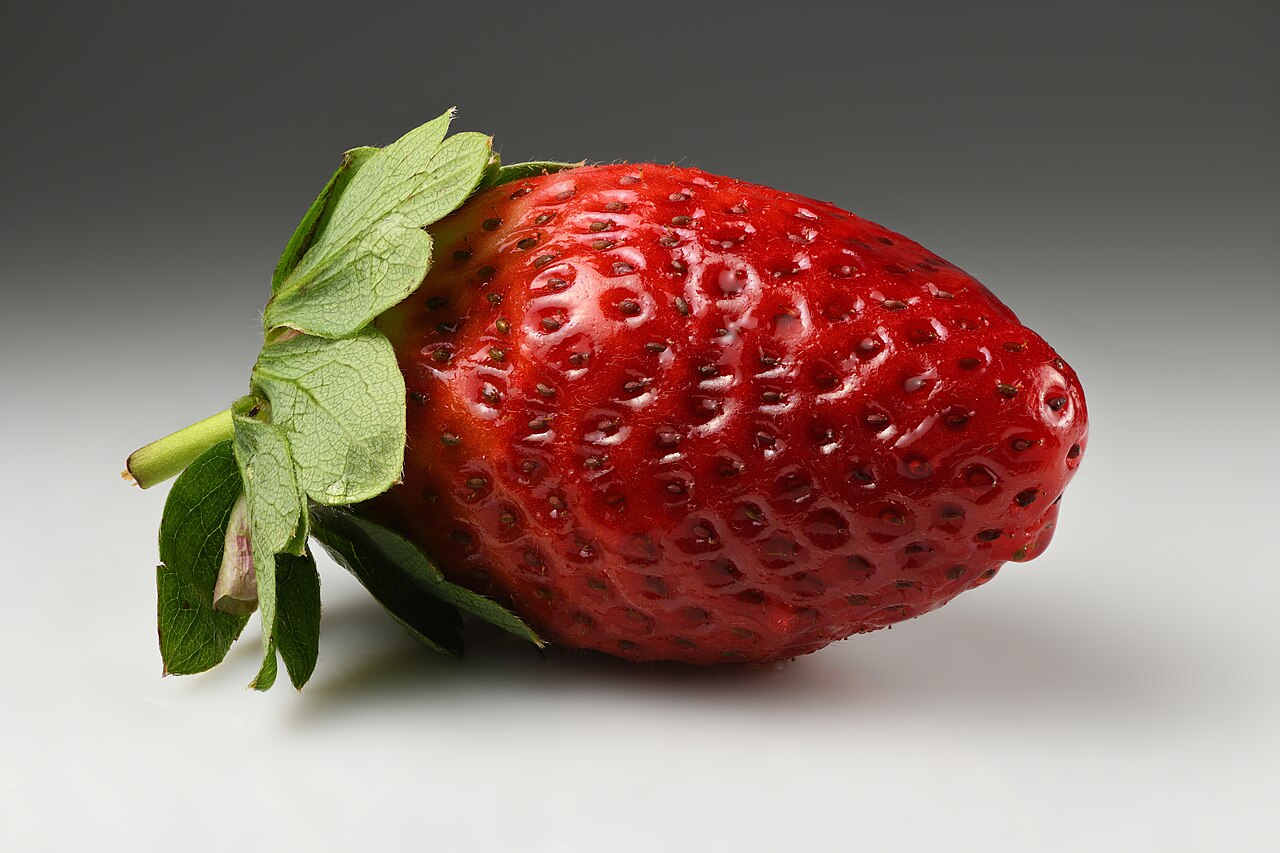
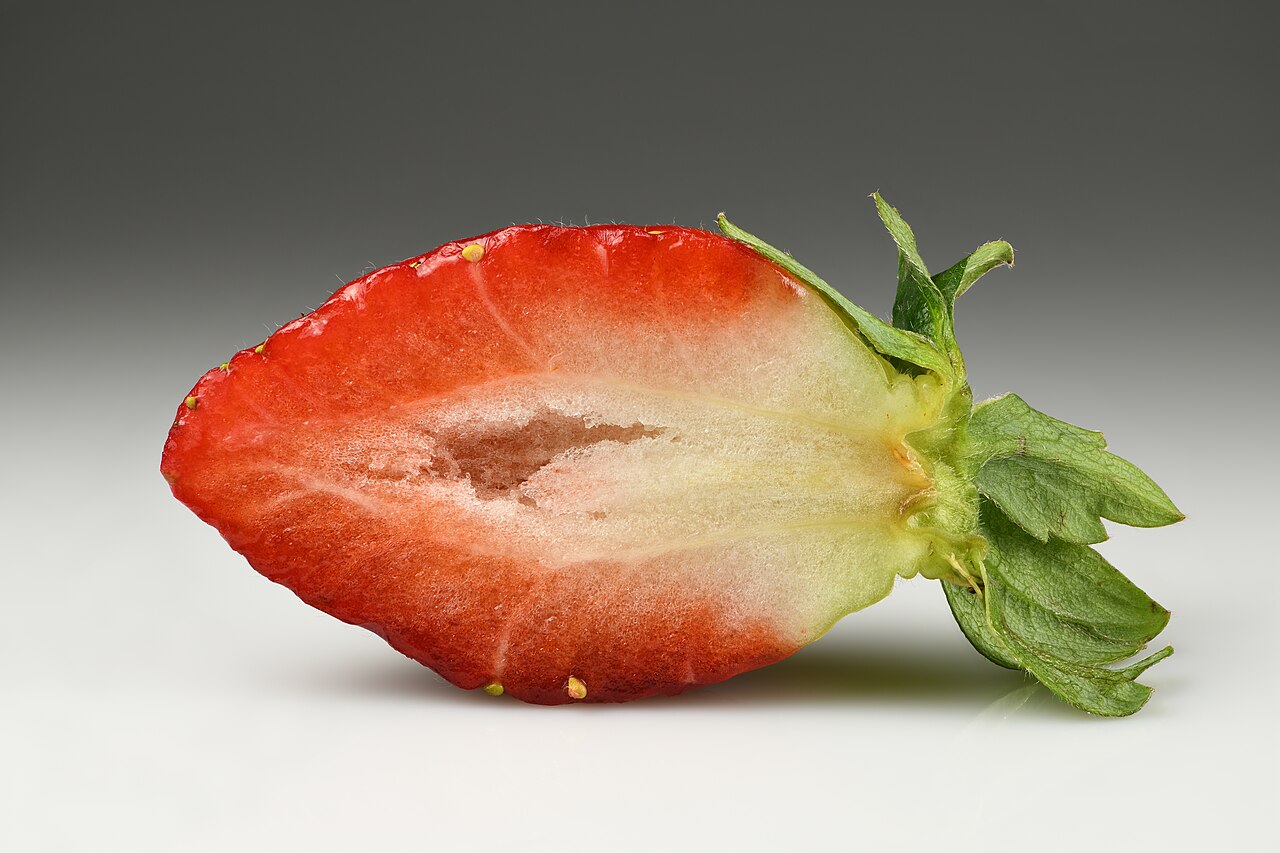
The most important tip up front: only harvest strawberries in dry weather, ideally in the morning. The fruit is then plump, cool, and full of flavor. Wait until the fruit is fully colored all the way around – strawberries do not continue to ripen after picking! Twist or snip off the fruit along with the calyx and a short stem, which extends its shelf life.
Freshly picked strawberries are delicate and should be eaten within one to two days. In the refrigerator at around 4 °C, they will keep for up to three days, though they lose some flavor – take them out in time before eating. For longer storage, strawberries freeze wonderfully: wash them, remove the calyx, pat dry, and pre-freeze individually on a tray before transferring them to freezer bags. This way they won’t clump together and can be taken out in portions. Jam, compote, or homemade syrup are also delicious ways to preserve the taste of summer strawberries.
Common Problems and Solutions
| Problem | Cause | Solution |
|---|---|---|
| Gray mold on fruit | Moisture + dense planting | Allow enough spacing; mulch with straw; remove affected fruit immediately |
| Small, hard fruit | Lack of water during fruiting | Water regularly; don’t forget to mulch |
| Holes or feeding marks | Slugs | Use slug collars; plant on ridges; water in the morning |
| Deformed leaves, low yield | Strawberry mites | Remove heavily affected plants; replant elsewhere |
| Yellow or reddish leaves | Nutrient deficiency | Apply berry fertilizer after harvest |
| Plants wilt despite moist soil | Root rot from waterlogging | Loosen the soil; plant on ridges; water less |
Conclusion: Strawberries – The Most Rewarding Way to Start Gardening
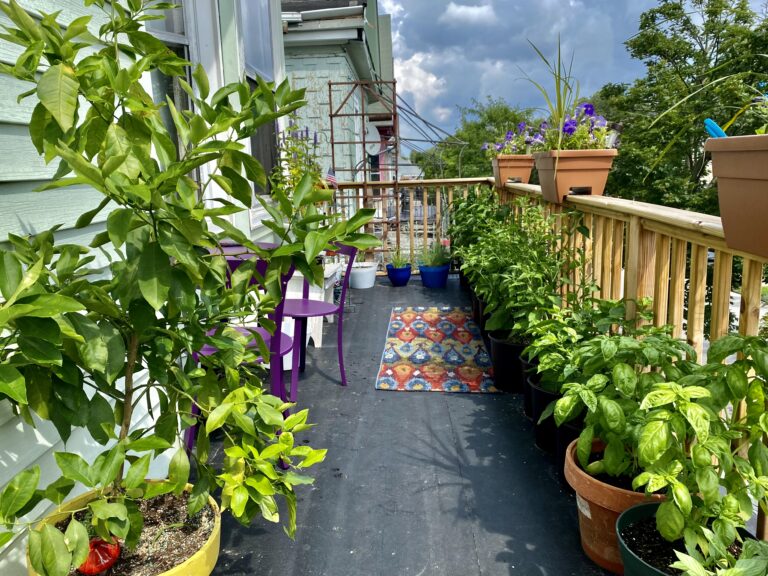
Growing your own strawberries is easier than many people think. With the right location, good soil preparation, and a bit of attention during flowering and fruiting, you can look forward to a rich harvest. Even on a balcony or patio, you can harvest a decent amount with the right varieties and sufficiently large pots. With a suitable slow-release berry fertilizer and regular care, your strawberry plants will reward you with years of sweet, aromatic fruit. So get your hands in the soil, pick up some seedlings, and get started – summer never tastes better than straight from your own garden!