Ficus Benjamina Care – The Elegant Indoor Tree
Introduction
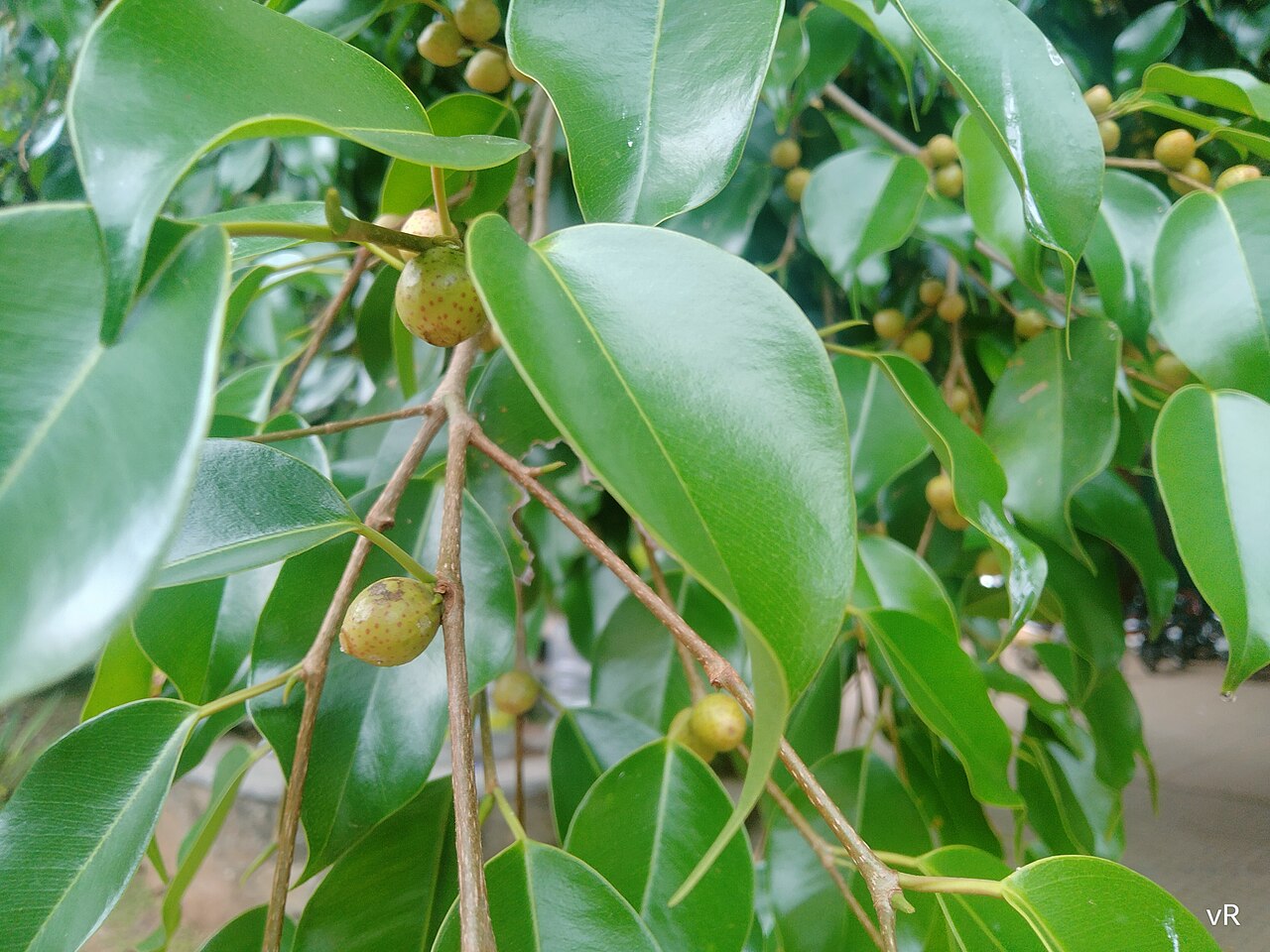
Photo: Vijayanrajapuram (CC BY-SA 4.0, Wikimedia Commons)
Ficus Benjamina – The Elegant Indoor Tree for Your Home
Ficus benjamina, also known as the weeping fig, is one of the most popular indoor trees in households across Germany. With its slender trunk, lush crown of small, glossy leaves, and elegant silhouette, it brings a touch of Mediterranean flair to any room. Originally native to the tropical regions of Asia and Australia, the weeping fig has proven remarkably adaptable. However, it is sensitive to change — a trait that has earned it a reputation as a “fussy” plant. With the right care knowledge, though, your Ficus benjamina will become a loyal, long-lived companion that, given good care, can grow several meters tall.
Who This Is For
The Right Location: Light Is Everything
Ficus benjamina needs a bright to very bright location, but cannot tolerate intense midday sun. An east- or west-facing window is ideal; a south-facing window works only with some sun protection. Too little light leads to leaf drop and long, leggy growth. Once established in a good spot, the plant should be moved as little as possible. The Ficus reacts very sensitively to a change of location, changes in temperature, or even simply turning the pot, and will drop a large portion of its leaves within just a few days.
Buying Criteria
The optimal temperature is between 20 and 25°C. In winter, it should not fall below 15°C. Drafts are the weeping fig’s biggest enemy — avoid locations near frequently opened windows, doors, or air conditioning units. A spot directly above a radiator is also problematic, since the dry, hot air dries out the leaves.
Watering: Consistent, but Not Too Much
Ficus benjamina likes to be kept evenly moist, but never wet. The soil surface should dry out slightly between waterings. In summer, water about once or twice a week; in winter, every 10–14 days is enough. Use room-temperature, low-lime water. A good indicator: stick your finger about 2–3 cm into the soil — if it feels dry, it’s time to water.
Product/Option Categories
Just as important as the right amount of water is humidity. Mist the leaves regularly with low-lime water, especially in winter. Occasionally wiping the leaves with a damp cloth removes dust and keeps the plant vital. Brown leaf tips are usually a sign that the air is too dry.
Fertilizing and Nutrients
During the main growth period from March to September, Ficus benjamina should be fertilized regularly. Applying a foliage plant fertilizer every two weeks keeps the leaves a rich green and promotes growth. Choose a fertilizer formulated specifically for the needs of leafy plants, providing all the important trace elements. In winter, fertilizing is greatly reduced or stopped entirely.
Trade-offs
Repotting and Pruning
Young Ficus benjamina specimens grow quickly and should be repotted every one to two years. The best time is spring. Use high-quality potting soil and make sure there is a good drainage layer. The new pot should be about 2–3 cm larger in diameter than the old one.
Regular pruning in spring keeps the weeping fig in shape and encourages a branched, compact crown. Cut long, bare shoots back to the desired length. The white sap that leaks out is toxic, but also serves as a natural wound seal. Wear gloves while pruning and protect the floor, as the sap can stain fabrics.
Disclosure
This article may contain affiliate links. If you purchase a product through one of these links, Plantgecko may earn a commission at no extra cost to you. This never influences our editorial independence or which products we recommend.
| Product | Best For | Price | |
|---|---|---|---|
| foliage plant fertilizer | Top Pick | Check price | View |
| rubbing alcohol | Also Consider | Check price | View |
| horticultural oil | Budget Alternative | Check price | View |
Recommendation Framework
Why Is My Ficus Dropping Its Leaves?
Leaf drop is the most common problem with Ficus benjamina and can have several causes. The most frequent reasons are a change of location, drafts, temperature fluctuations (especially in autumn, when the heating season begins), or irregular watering. In most cases, the plant recovers within a few weeks once conditions stabilize. Patience is the best remedy here — the Ficus reliably sprouts new growth again after an adjustment period.
Common Pests and Diseases
PestIdentifying SignsTreatment
Spider mitesFine webbing; yellow specklesIncrease humidity; rinse leaves off.
Conclusion
Scale insectsBrown, hard shields on leavesRemove by hand; treat with horticultural oil
MealybugsWhite, cottony depositsDab with rubbing alcohol; isolate the plant
ThripsSilvery patches on leavesWash leaves; use plant protection products
Conclusion: A Rewarding Companion
Ficus benjamina may have a reputation for being “fussy,” but with a little understanding of its needs, it’s one of the most rewarding and elegant houseplants around. The key to success lies in consistency: a fixed, bright location free of drafts, even watering, and regular fertilizing. Cared for this way, your weeping fig will grow over the years into an impressive green centerpiece for your living space.