Getting Rid of Spider Mites: Recognize, Treat, and Prevent
Introduction
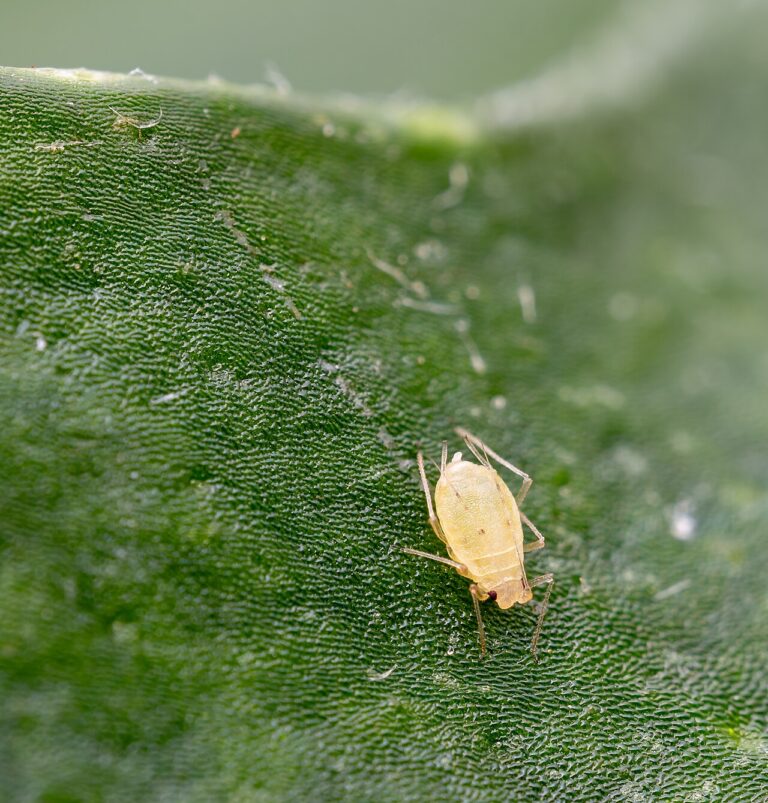
Photo: Aleksey Gnilenkov from Moscow, Russia (CC BY 2.0, Wikimedia Commons)
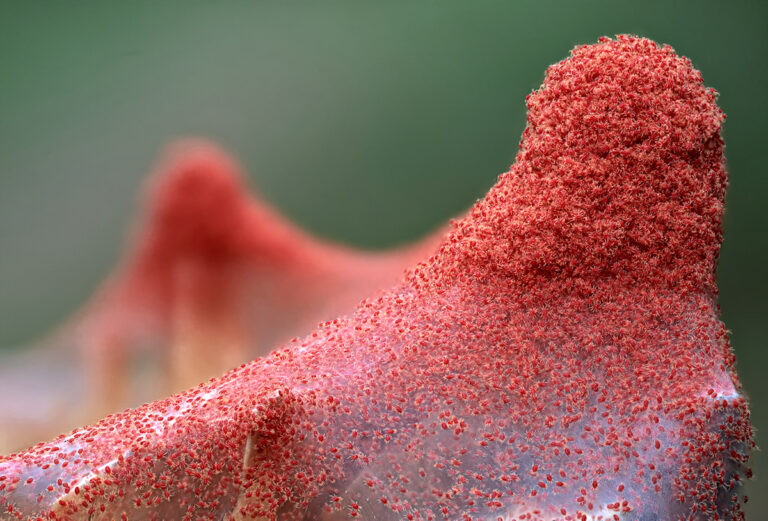
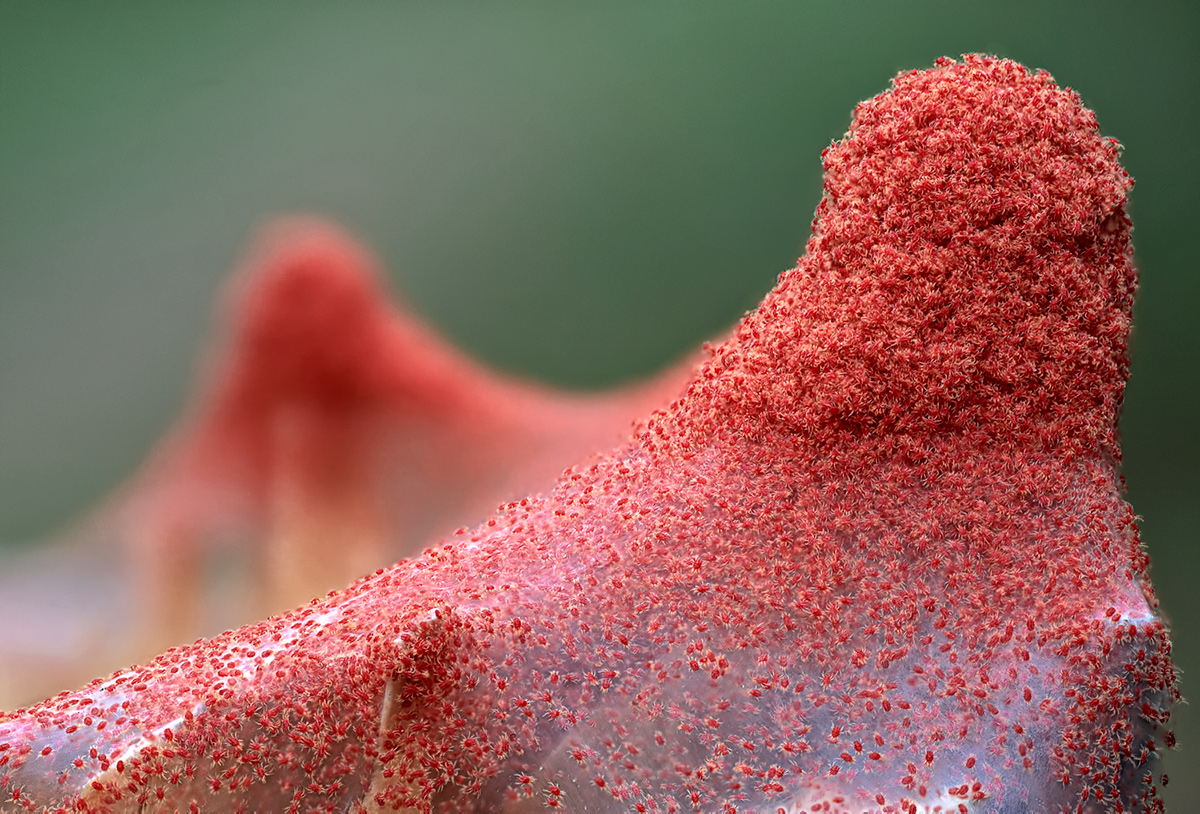
Photo: division, CSIRO (CC BY 3.0, Wikimedia Commons)
Tiny but dangerous
Spider mites are barely visible to the naked eye — by the time you notice them, the plant is often already damaged. These tiny arachnids feed on leaf cells and can completely destroy a plant within a few weeks. Acting quickly is essential.
Who This Is For
How to recognize spider mites
Fine, silvery speckles on the leaves: The classic early symptom — feeding sites create tiny light-colored dots
Fine webbing: In severe infestations, delicate webs stretch between leaves and stems — hence the name.
Buying Criteria
Yellowing leaves: Entire leaves turn yellow, dry out, and drop
Tiny white cast skins: Small white specks on the undersides of leaves
Why spider mites attack your plants
Spider mites love dry, warm air. In winter, with the heating running and low humidity, they find ideal conditions. Especially vulnerable plants include pothos, calathea, rubber plants, palms, and — above all — cucumbers and beans in greenhouses.
Product/Option Categories
Treatment: a 3-step plan
Step 1: Water and humidity
Thoroughly shower the plant off, paying special attention to the undersides of the leaves. Then dramatically raise the humidity: cover the plant with a clear plastic bag for 3-4 days. The high humidity kills most spider mites. Caution: keep it out of direct sun while bagged, or heat can build up dangerously inside.
Trade-offs
Step 2: Neem oil treatment
Neem oil is highly effective against spider mites. Mix: 5 ml neem oil + 1 liter water + a drop of dish soap. Spray thoroughly every 3 days, especially the leaf undersides, where 90% of the mites live. Continue treatment for at least 2 weeks.
Disclosure
This article may contain affiliate links. If you purchase a product through one of these links, Plantgecko may earn a commission at no extra cost to you. This never influences our editorial independence or which products we recommend.
| Product | Best For | Price | |
|---|---|---|---|
| Neem oil | Top Pick | Check price | View |
| A pressure sprayer | Also Consider | Check price | View |
| A hygrometer | Budget Alternative | Check price | View |
Recommendation Framework
Step 3: Predatory mites (for severe infestations)
Predatory mites of the species Phytoseiulus persimilis are natural enemies of spider mites. They’re released onto the plant and feed on spider mites at every life stage. An excellent solution, especially in greenhouses or sunrooms.
Prevention is simple.
Conclusion
Mist regularly: Especially in winter when the heating is running. A pressure sprayer is ideal for this
Monitor humidity: A hygrometer helps you keep an eye on temperature and humidity
Check leaf undersides: Inspect them once a month
Quarantine new plants: Keep new plants isolated for 2-3 weeks before introducing them to your collection.