Nutrient Deficiency in Plants: Recognizing Symptoms and Taking Action
Introduction
When your plant is hungry
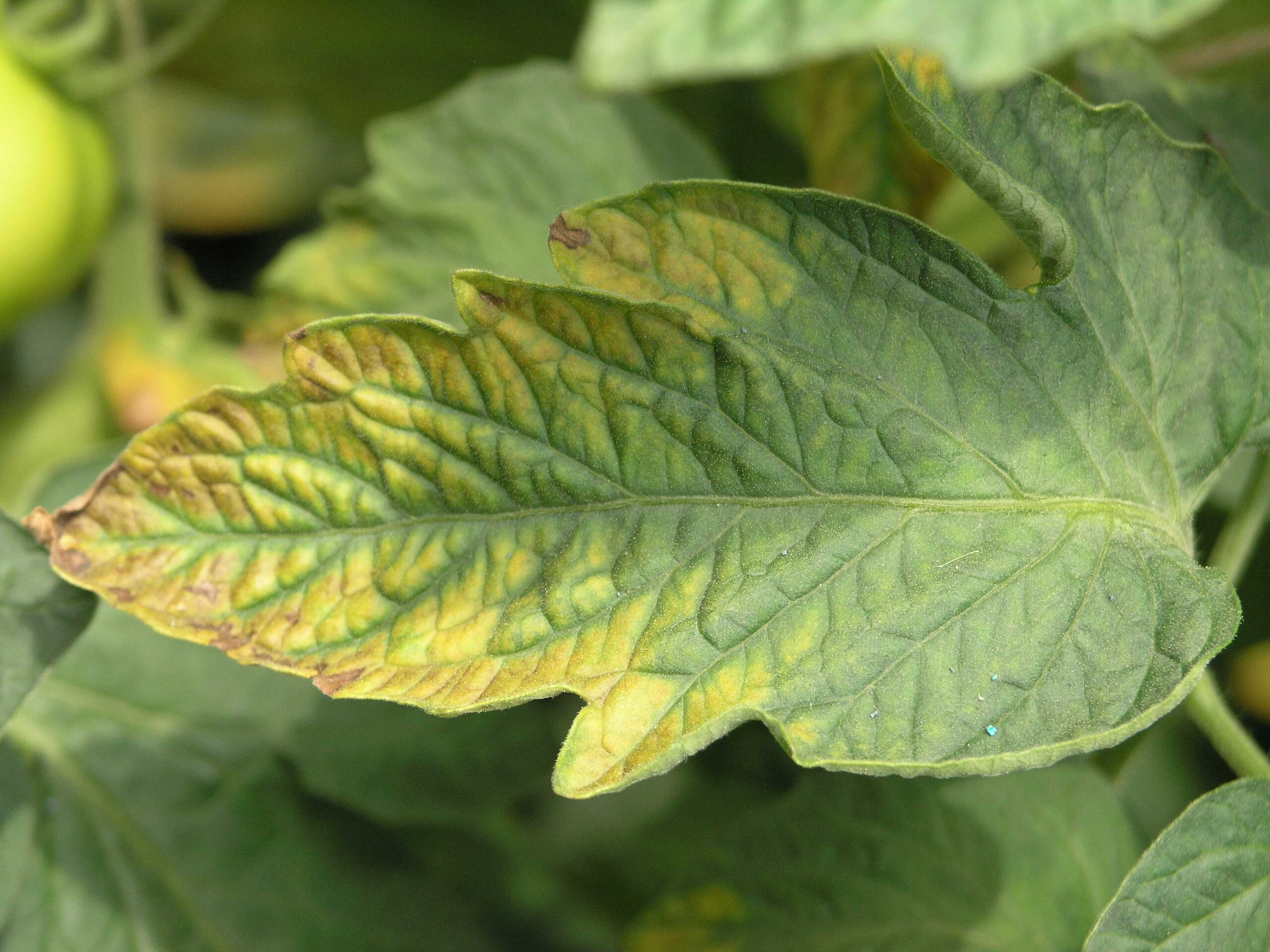
Yellow leaves, stunted growth, pale coloring: nutrient deficiency shows up in many different ways. The tricky part is that every deficiency looks a little different, and the symptoms are often mistaken for overwatering or pest damage. Here’s how to recognize the most common deficiencies and treat them correctly.
Who This Is For
Nitrogen deficiency (N): the most common deficiency
Symptoms: The plant yellows from the bottom up. First, the oldest, lowest leaves turn pale green to yellow, while the younger leaves stay green. The plant barely grows and remains small and stunted. Cause: Nitrogen is mobile within the plant; when it’s in short supply, the plant pulls it from old leaves and moves it to new growth. Treatment: Apply a nitrogen-rich liquid fertilizer (a higher N value in the NPK ratio). The plant should recover within 1-2 weeks.
Buying Criteria
Iron deficiency (Fe): chlorosis
Symptoms: Young leaves turn pale yellow to almost white while the leaf veins stay green, a very distinctive pattern. Cause: This is often not a true iron shortage in the soil but rather a pH that’s too high (usually from hard tap water), which blocks iron uptake. Treatment: Apply a chelated iron fertilizer as a foliar spray, and switch to rainwater for watering if possible.
Product/Option Categories
Potassium deficiency (K): brown edges
Symptoms: Brown, dead leaf edges starting on older leaves. The plant looks wilted even though it’s being watered adequately. Cause: Potassium regulates the plant’s water balance. Treatment: Apply a potassium-rich fertilizer, such as a tomato feed.
Trade-offs
Magnesium deficiency (Mg)
Symptoms: Yellow discoloration between the leaf veins on older leaves. Unlike iron deficiency, this pattern starts lower on the plant. Treatment: Add Epsom salt (magnesium sulfate) to your watering can; one teaspoon per 5 liters of water.
Disclosure
This article may contain affiliate links. If you purchase a product through one of these links, Plantgecko may earn a commission at no extra cost to you. This never influences our editorial independence or which products we recommend.
| Product | Best For | Price | |
|---|---|---|---|
| a chelated iron fertilizer | Top Pick | Check price | View |
| Epsom salt (magnesium sulfate) | Also Consider | Check price | View |
| a soil moisture meter | Budget Alternative | Check price | View |
Recommendation Framework
Phosphorus deficiency (P): reddish discoloration
Symptoms: Older leaves turn dark green to reddish-purple. The plant fails to flower or drops its flower buds. Treatment: Use a phosphorus-rich fertilizer or a specialized flowering-plant feed.
Conclusion
The all-purpose solution
A good-quality all-purpose fertilizer covers most of your plant’s needs. We also recommend flushing with plain water every 4-6 weeks to rinse out salt residue, and using a soil moisture meter to make sure the substrate is adequately moist before you fertilize.