Moisture Meters, pH Meters, and More: Tools for Optimal Plant Care
Introduction
Watering by feel often leads to soggy roots or thirsty plants. Simple measuring tools take the guesswork out of plant care and help you give each plant exactly what it needs. Here’s a look at the most useful tools and how to use them correctly.
Moisture Meters: No More Watering Guesswork
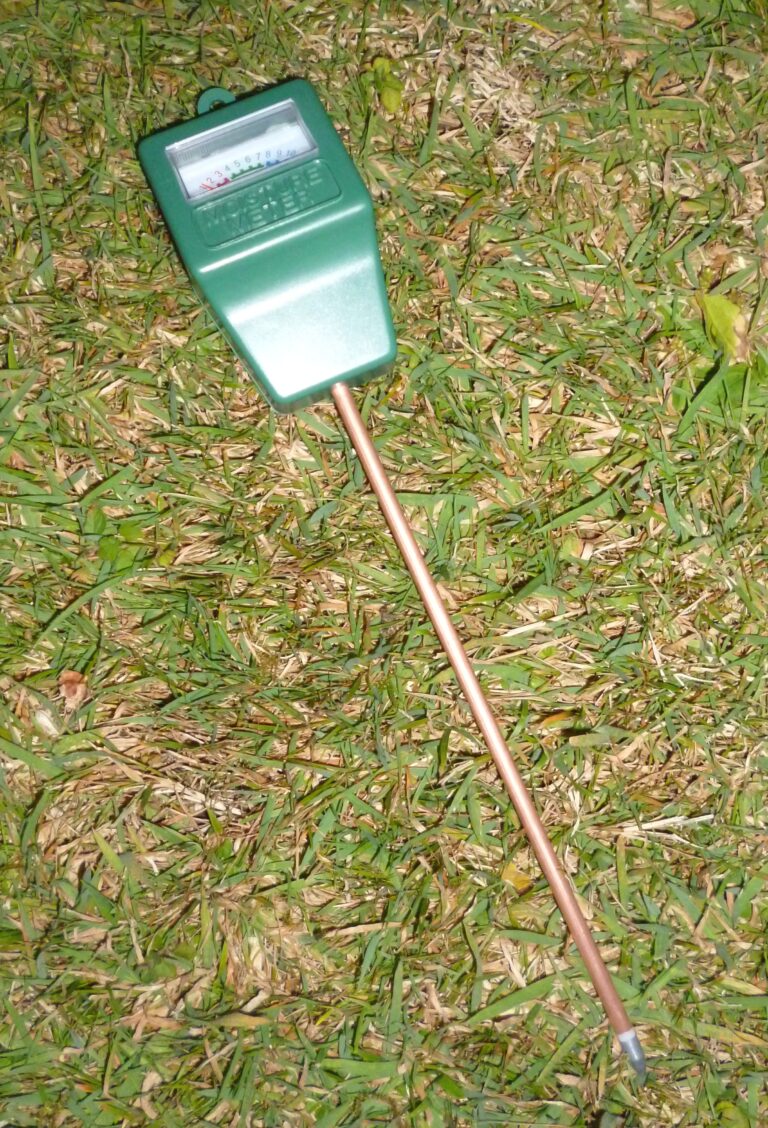
A soil moisture meter is the single most useful tool for plant lovers. A basic model costs less than ten euros and can last for years. Simply insert the metal probe into the soil and read the value on the dial.
Most moisture meters work on the principle of electrical conductivity: moist soil conducts electricity better than dry soil. The reading isn’t an absolute percentage of moisture but a relative value on a scale from 1 (dry) to 10 (wet).
Who This Is For
1-3: Dry – time to water succulents and cacti
4-5: Slightly moist – the ideal time to water most houseplants
6-7: Moist – wait a few more days
8-10: Wet – put the watering can down
Important: always insert the probe in the same spot and wait a few seconds for the reading to stabilize. Don’t measure right after watering – wait at least an hour for the water to distribute through the soil. Clean the probe after each use, since leftover soil and fertilizer salts can throw off the reading.
pH Meters: Measuring Substrate Acidity
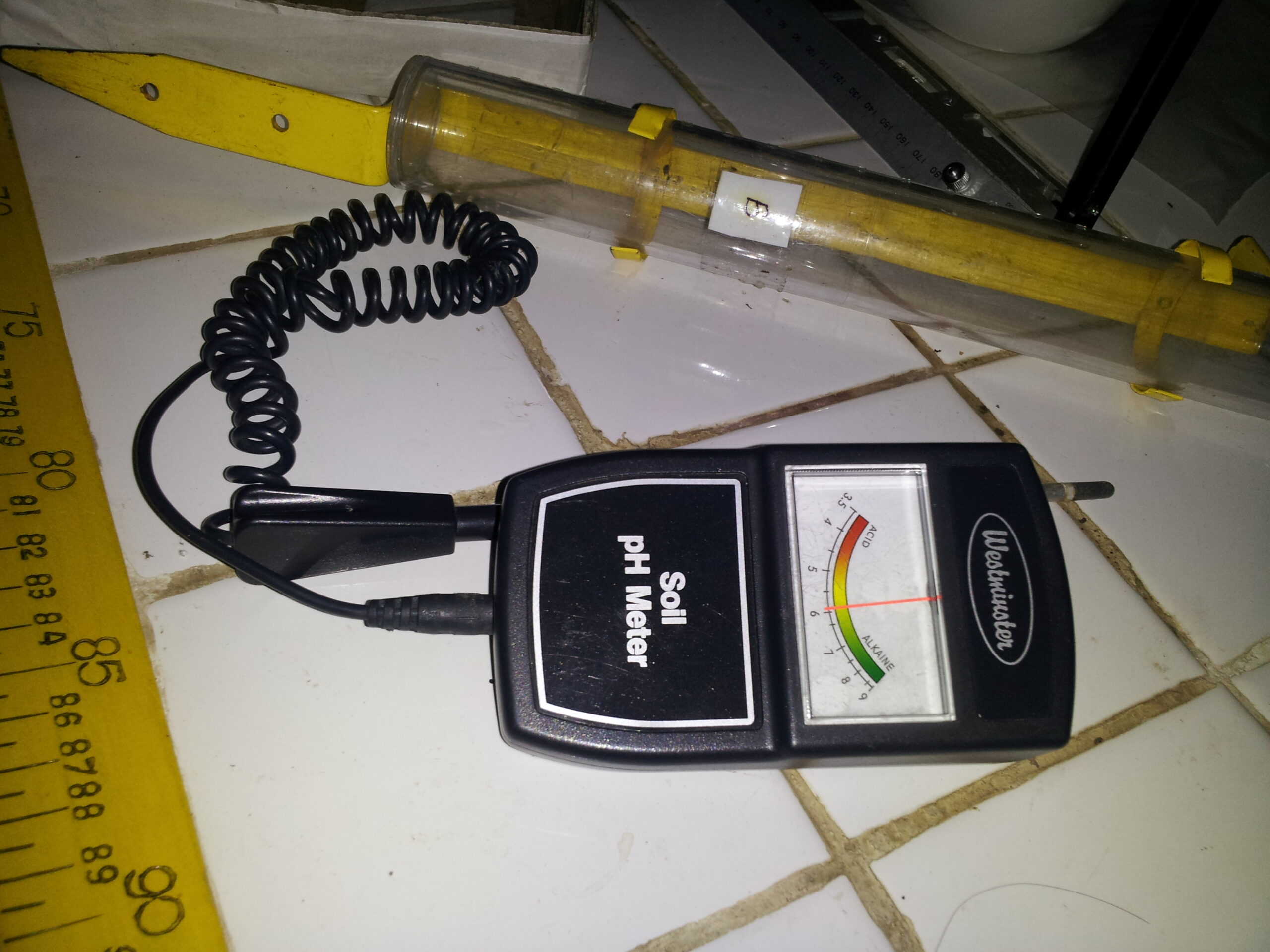
The pH of your soil determines which nutrients a plant’s roots can actually absorb. Most houseplants prefer a slightly acidic pH between 5.5 and 6.5, a range where all the key nutrients remain readily available.
Buying Criteria
A home pH meter works much like a moisture meter: a metal probe inserted into the soil measures the electrical voltage produced by the acidity level. Accuracy is more than sufficient for hobby use.
When should you test the pH?
When a plant shows deficiency symptoms despite adequate feeding
For plants with specific pH needs, such as hydrangeas, rhododendrons, or blueberries
If you water with very hard tap water, since lime raises the pH
After using home remedies like coffee grounds or wood ash, which can shift the pH significantly
If the pH is too high, coffee grounds, a commercial pH-down product, or acidic peat substitute can help bring it down. If it’s too low, crushed eggshells or a small amount of garden lime can raise it.
Product/Option Categories
Lux Meters: Measuring Light Instead of Guessing
The human eye is a poor judge of light levels. A spot that looks bright to us can already be quite dim from a plant’s perspective. A lux meter measures actual light intensity and helps you find the best spot for each plant.
For home use, a lux meter app on your smartphone is more than adequate – these apps use the phone’s built-in light sensor and deliver accurate enough readings for everyday purposes. Professional lux meters with an external sensor are more precise, but overkill for most plant owners.
500-1,000 lux: Shade-loving plants like ferns, pothos, and Chinese evergreen
1,000-2,500 lux: Partial-shade plants like monstera and philodendron.
Trade-offs
2,500-10,000 lux: Sun-loving plants like succulents, cacti, and herbs
Measure light at different times of day and on cloudy days to get a full picture. A south-facing window can register 10,000 lux at midday, while just two meters back into the room it may drop to only 500 lux – a dramatic difference.
Thermometers and Hygrometers
A combined thermometer-hygrometer shows the temperature and humidity right where your plants are growing. Humidity is especially critical in winter: heated indoor air can drop relative humidity to 25-35%, far too low for most tropical plants, which need 50-70%.
A hygrometer lets you catch the problem before your plants develop brown leaf tips. You can then use targeted fixes – a humidifier, water trays, or regular misting – and track the results on the device.
Disclosure
This article may contain affiliate links. If you purchase a product through one of these links, Plantgecko may earn a commission at no extra cost to you. This never influences our editorial independence or which products we recommend.
| Product | Best For | Price | |
|---|---|---|---|
| soil moisture meter | Top Pick | Check price | View |
| pH meter | Also Consider | Check price | View |
| combined thermometer-hygrometer | Also Consider | Check price | View |
| test strips | Budget Alternative | Check price | View |
Recommendation Framework
Digital models with memory display the minimum and maximum readings from the past 24 hours, so you can see how much the temperature drops overnight and whether your plants are exposed to drafts.
Water Hardness Testers
Water hardness affects lime buildup in the soil and nutrient availability. Hard water above roughly 14° German hardness (dH) can be problematic for many plants, since the lime raises the soil pH and blocks the uptake of iron and other trace elements.
Simple test strips from an aquarium supply store show water hardness within seconds. If your water is hard, a water filter, boiling the water before use, or collecting rainwater can all help.
Which Tools Do You Actually Need?
For beginners, a simple moisture meter is enough. It prevents the single most common care mistake and costs less than a medium-sized plant. Paired with a lux meter app on your phone, you’ll have the two most important factors covered.
Conclusion
More experienced growers benefit from a pH meter and a hygrometer, especially when caring for more demanding plants like calatheas, orchids, or citrus.
Professional equipment with data logging, app connectivity, and extra sensors for soil temperature and nutrient levels is fun for dedicated hobbyists, but far from essential.
Conclusion
Measuring beats guessing. A ten-euro moisture meter is one of the best investments you can make in your plant care routine – it reliably protects against overwatering and gives you the confidence to water at exactly the right time.