Best Pet-Friendly Houseplants for Your Home
If you share your home with cats or dogs, choosing houseplants carefully matters — many popular species are toxic if chewed or ingested, ranging from mild stomach upset to serious poisoning. The good news is there are plenty of attractive, easy-care plants that are genuinely non-toxic to pets, so you don’t have to sacrifice greenery for a pet-safe home.
Pet-Safe Plants to Choose
Spider Plant (Chlorophytum comosum)
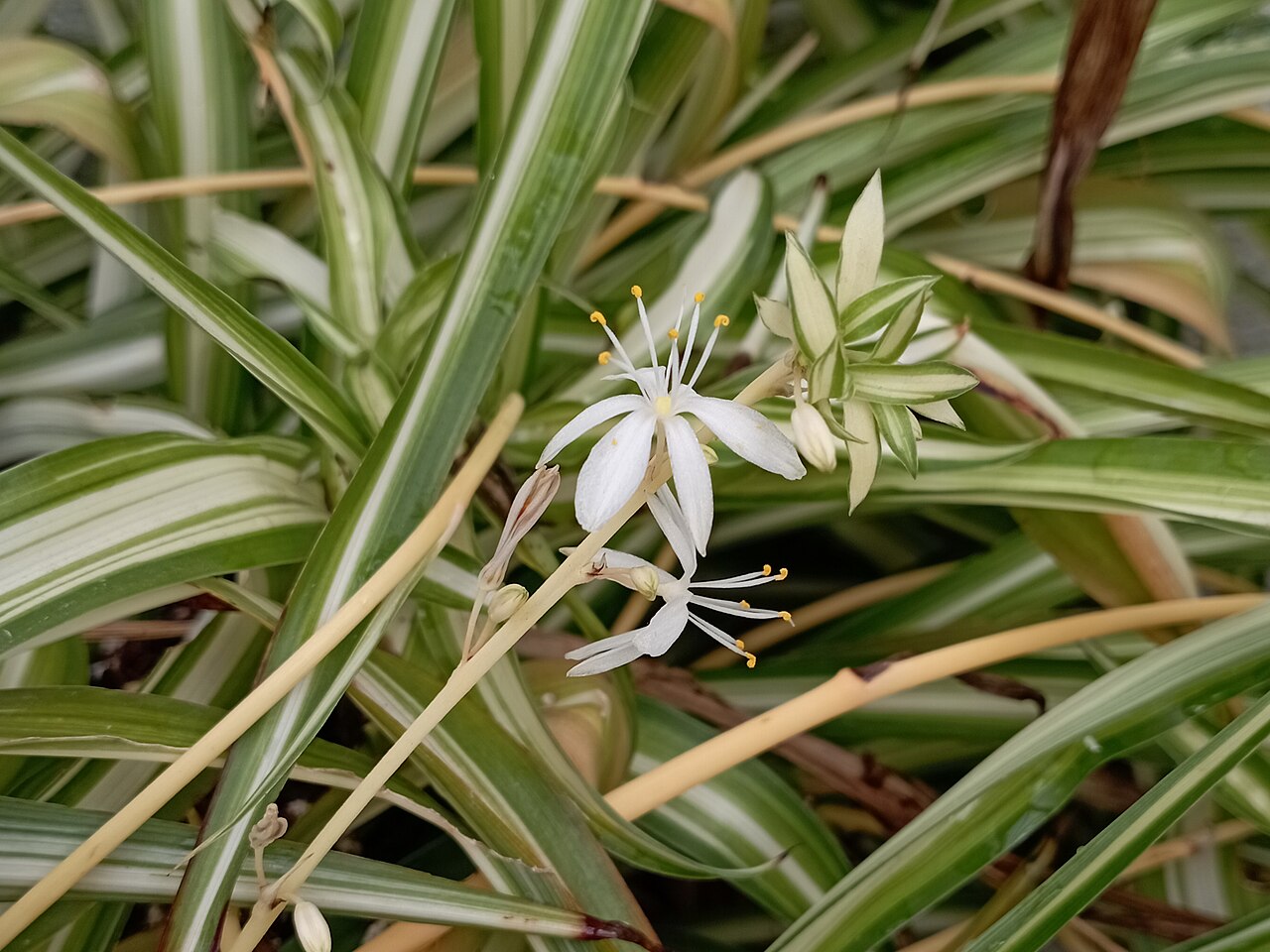
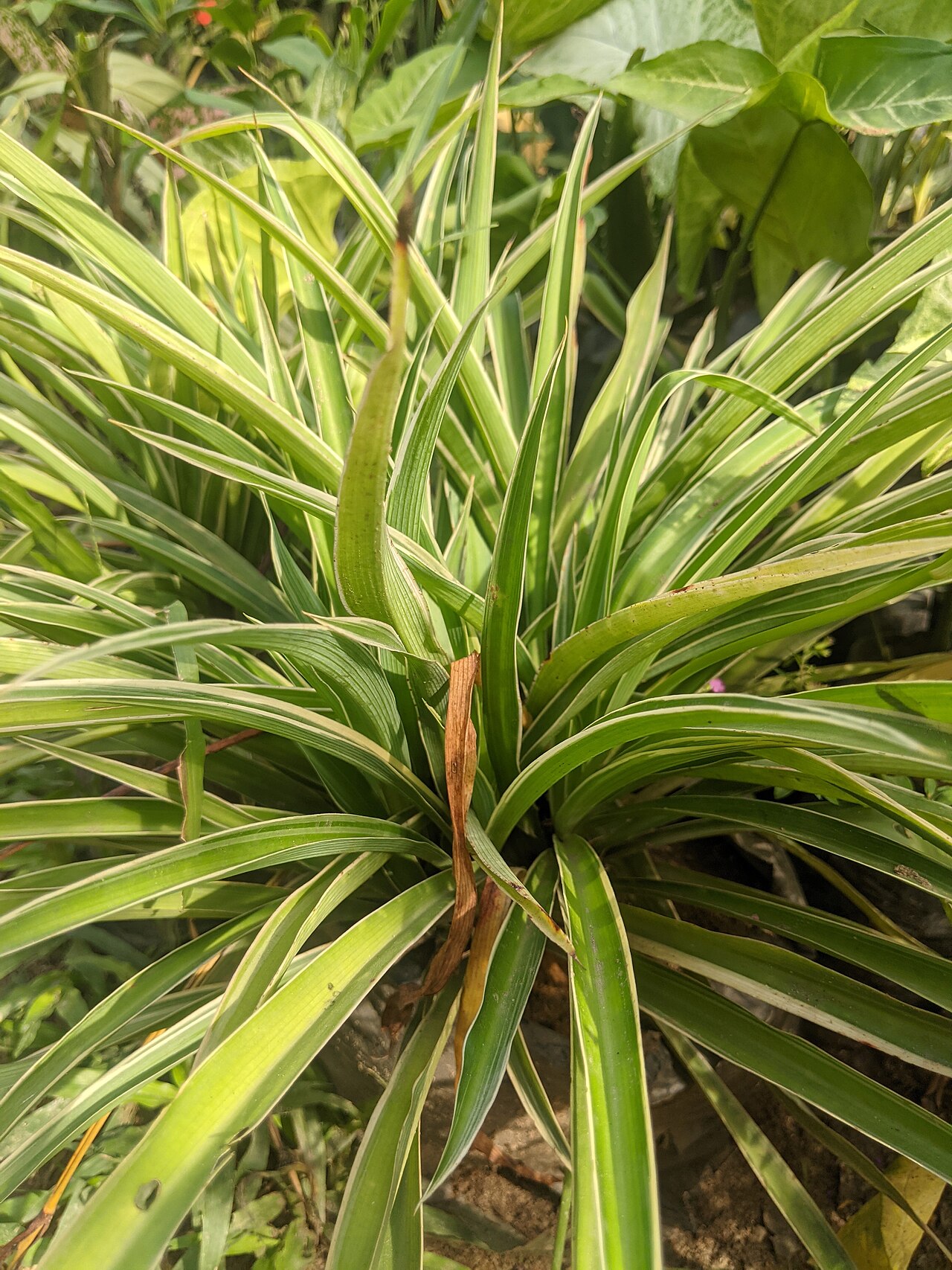
One of the most reliable non-toxic houseplants, the spider plant tolerates a wide range of light conditions and irregular watering. Its arching, grassy leaves and dangling plantlets can actually attract curious cats, but nibbling won’t cause harm beyond, at most, mild digestive upset.
Areca Palm (Dypsis lutescens)
This feathery, clumping palm is completely safe for cats and dogs and doubles as an excellent air purifier. It prefers bright, indirect light and consistent moisture, and its size makes it a good pet-safe alternative to toxic palms like the sago palm.
Boston Fern (Nephrolepis exaltata)
With lush, feathery fronds, the Boston fern is non-toxic and thrives in the humid, indirect-light conditions of bathrooms or kitchens. It does need consistently moist (not soggy) soil and benefits from regular misting or a humidity tray.
Calathea
Grown for their strikingly patterned leaves that fold up at night, calatheas are pet-safe and work well in medium to bright indirect light. They prefer higher humidity and evenly moist soil, and are a good choice for anyone wanting bold foliage without any toxicity risk.
Parlor Palm (Chamaedorea elegans)
A classic low-light houseplant, the parlor palm is non-toxic, compact, and slow-growing, making it easy to manage in smaller spaces. It tolerates lower light better than most palms and prefers to dry out slightly between waterings.
Peperomia
This large genus includes many compact, pet-safe varieties with thick, decorative leaves in shapes and textures ranging from ripple-edged to watermelon-patterned. Peperomias are forgiving of inconsistent watering and do well in medium indirect light, making them a low-maintenance, pet-safe option for shelves and tabletops.
Common Houseplants to Avoid
Some of the most popular and widely sold houseplants are toxic to pets and worth avoiding or keeping well out of reach if you already own them:
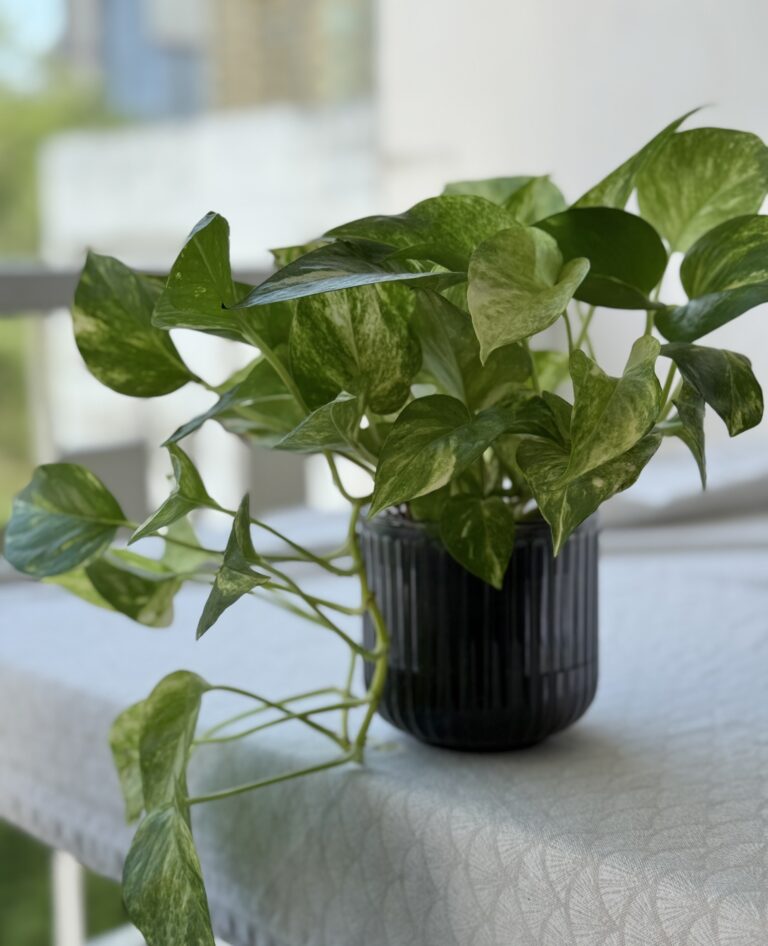
- Pothos (Epipremnum aureum) — contains calcium oxalate crystals that cause oral irritation, drooling, and vomiting
- Philodendron — also contains calcium oxalate crystals with similar irritant effects
- Sago palm (Cycas revoluta) — highly toxic to dogs especially, and can cause liver failure even in small amounts
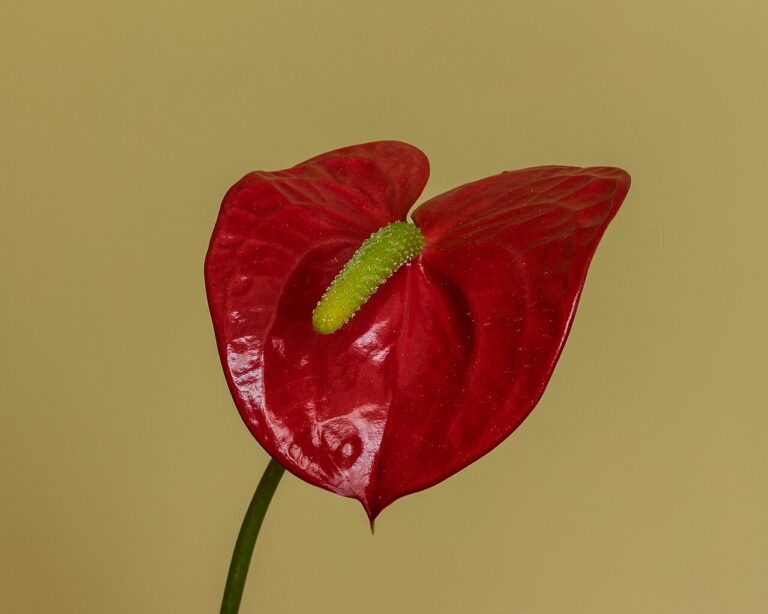
- Peace lily (Spathiphyllum) — causes oral irritation and vomiting similar to pothos
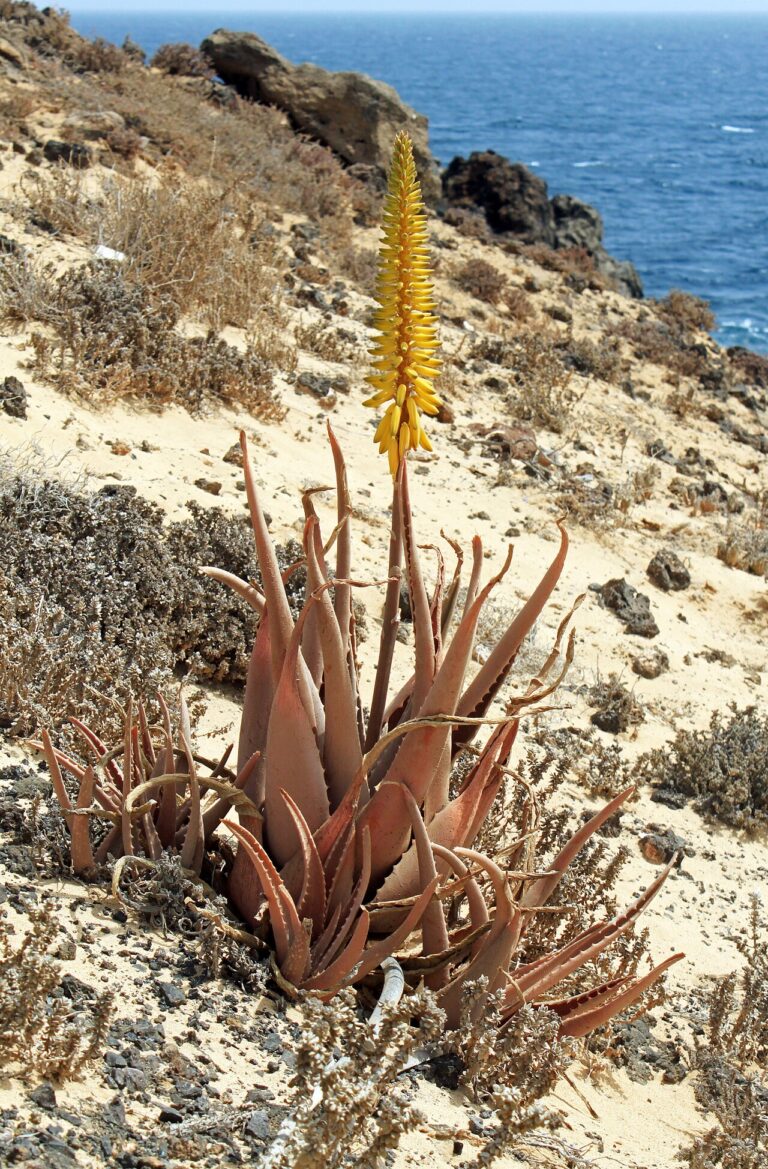
- Aloe vera — mildly to moderately toxic to cats and dogs despite its benefits for humans
A Final Safety Note
Toxicity can vary by plant part, pet species, and amount ingested, and new cultivars are introduced constantly, so it’s worth checking any plant you’re considering against the ASPCA’s searchable list of toxic and non-toxic plants before bringing it home. Even non-toxic plants can cause mild digestive upset if a pet eats a large quantity, so it’s still worth discouraging chewing and keeping an eye on curious pets around any greenery.
Comparison: Best Pet-Safe Plants to Buy
All of these are genuinely non-toxic to cats and dogs per the ASPCA’s plant list. Here’s how the top picks from above compare if you’re shopping for one.
| Product | Price Tier | Key Differentiator | Best For |
|---|---|---|---|
| Spider Plant | $ | Propagates itself for free via plantlets; nearly indestructible | Beginners and pet owners short on time |
| Areca Palm | $$ | Feathery, palm-sized focal plant that also purifies air | Adding height without any toxicity risk |
| Boston Fern | $$ | Lush texture but needs consistent humidity | Bathrooms or kitchens with pets |
| Calathea orbifolia | $$$ | Bold patterned leaves that fold up at night | Humidity-loving statement plant for pet households |