How to Care for Orchids After They Bloom
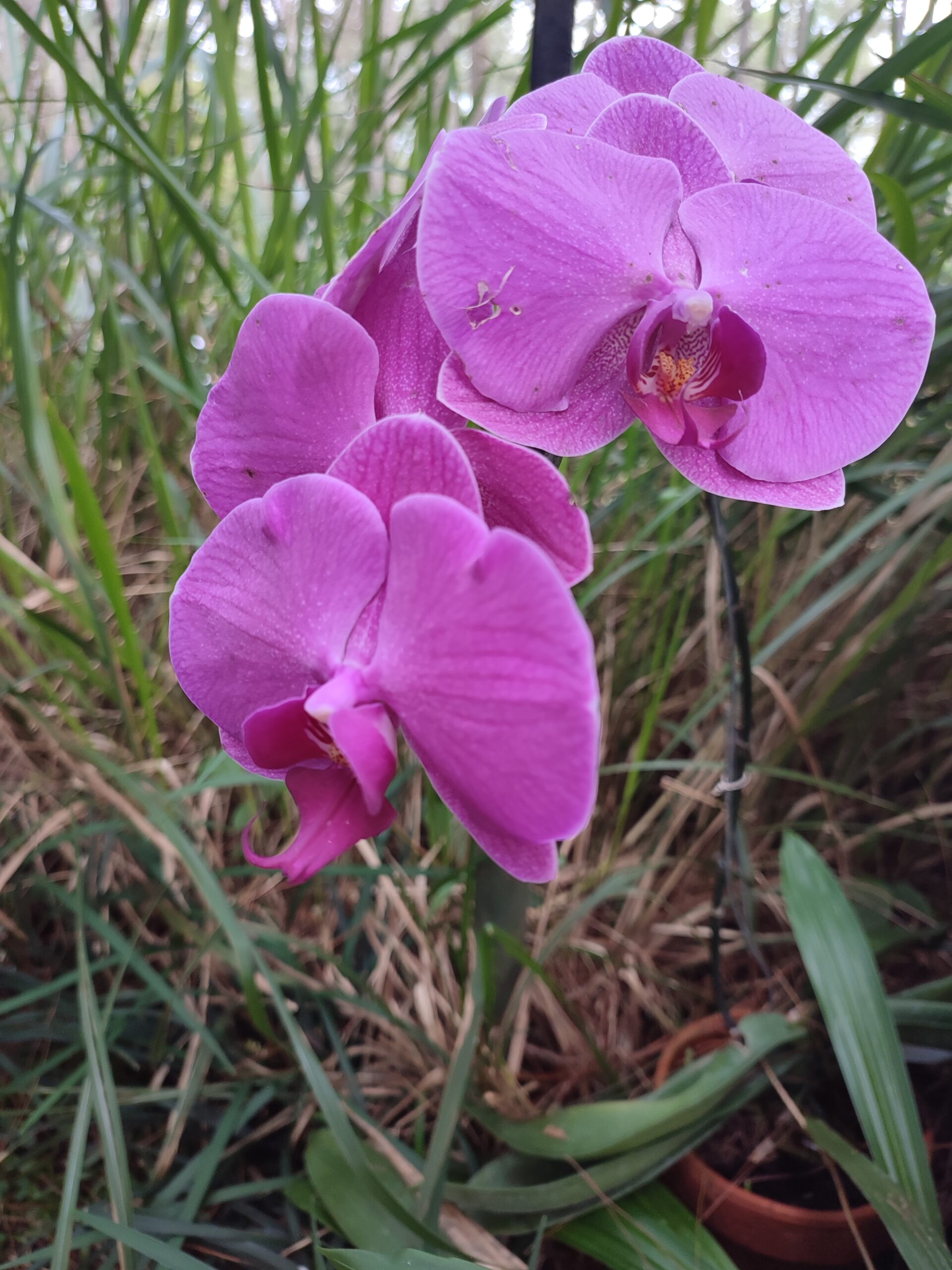
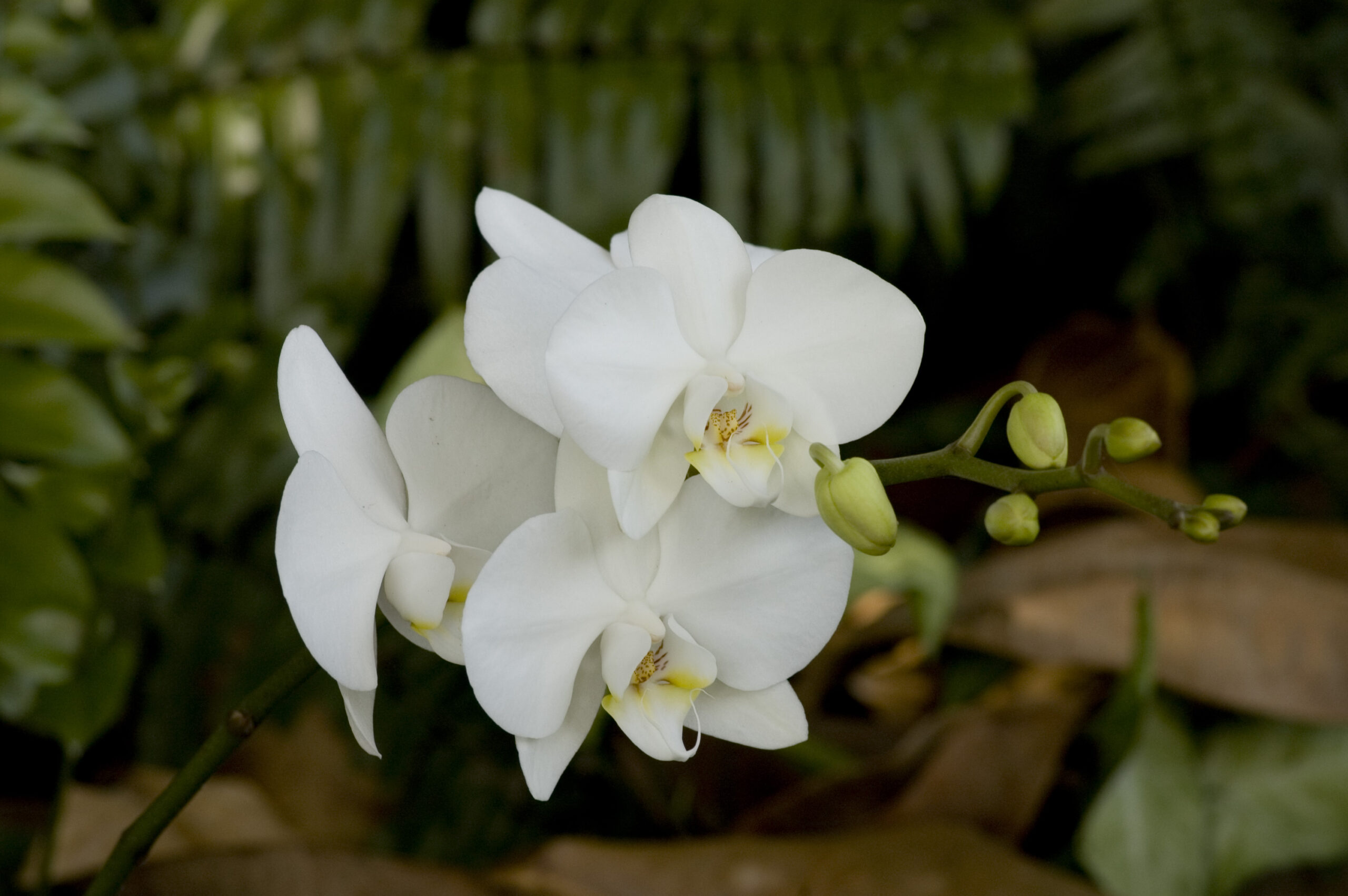
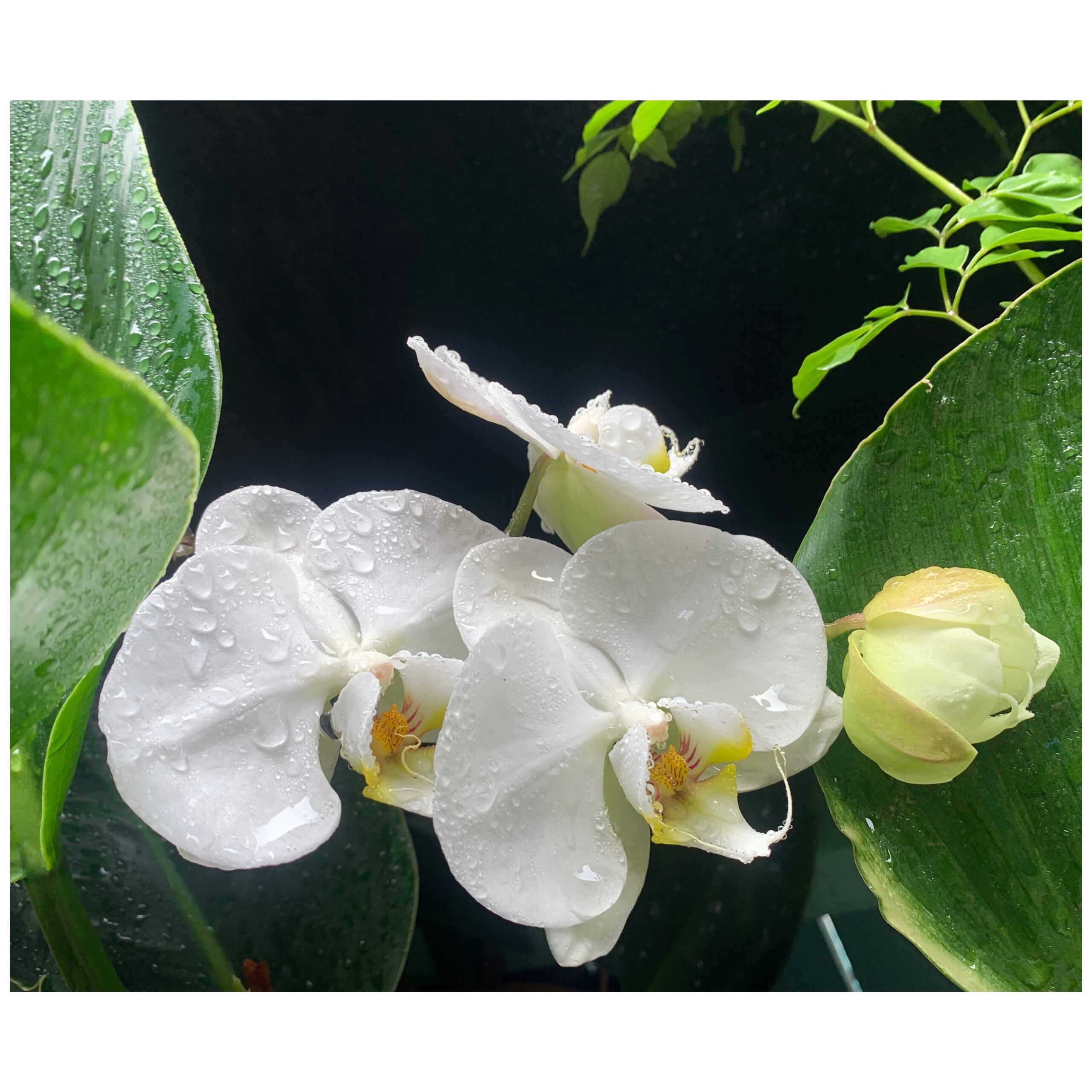
Once the last flower drops from your orchid, it’s easy to assume the show is over, but what you do in the following weeks determines whether the plant reblooms well or struggles for the next year. Post-bloom care varies a bit by orchid type, so it helps to know what kind you’re growing before you reach for the pruning shears.
Dealing With the Flower Spike
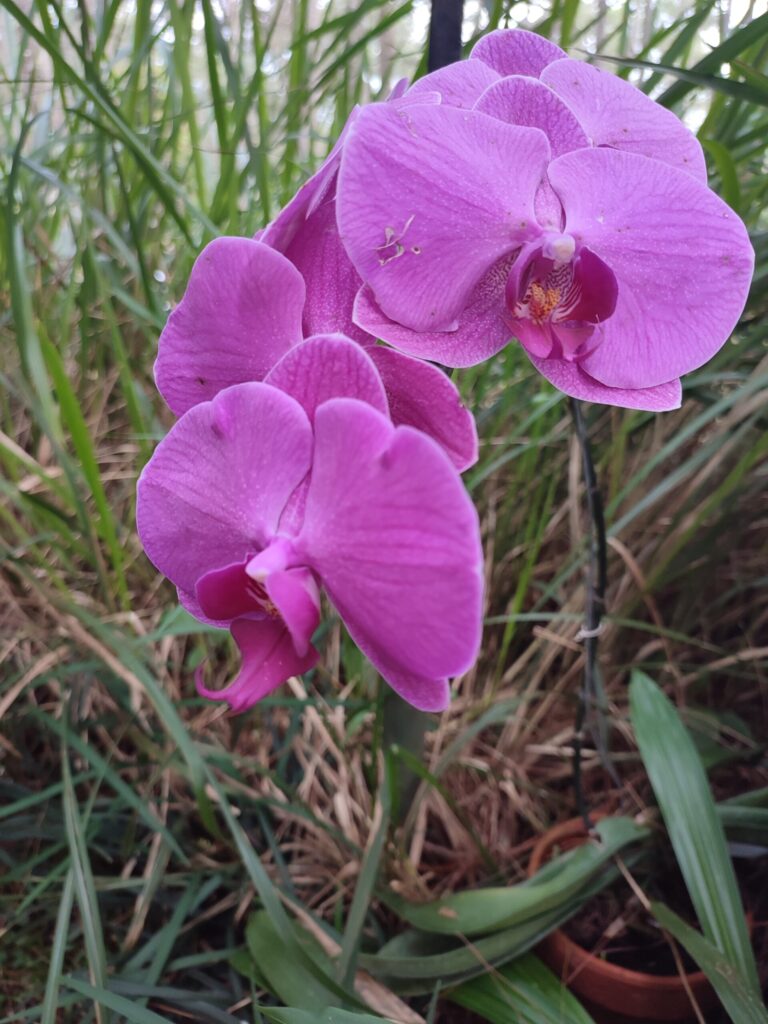
For Phalaenopsis (moth orchids), the spike can sometimes rebloom, so you have two options: cut it at the base near the leaves to redirect all the plant’s energy into growing a stronger root system and leaves before its next bloom cycle, or cut just above a visible node (one of the small brown triangular marks along the spike) to encourage a secondary, usually smaller, flush of flowers. Cutting above a node works reasonably often on Phalaenopsis but isn’t guaranteed. For Cattleya, Dendrobium, Oncidium, and most other orchid genera, the spike will not rebloom — cut it back to the base once it has fully yellowed and dried, since these orchids only flower from new growth.
Adjusting Water and Feeding
During and after blooming, resume a steady watering rhythm rather than the reduced watering some growers use to trigger flowering. Most orchids in bark mix do well watered thoroughly once the mix is nearly dry, roughly every 7–10 days, then allowed to drain completely — orchid roots rot quickly if they sit in water. Resume regular feeding with a balanced, orchid-specific fertilizer at quarter to half strength every other watering during active growth, tapering off in winter when growth slows.
Light Needs
Phalaenopsis do best in bright, indirect light, such as an east-facing window or a few feet back from a south or west window — direct sun will scorch their leaves. Cattleya and Dendrobium want notably brighter light, tolerating some gentle direct sun, which is often why they fail to rebloom in average home conditions. Leaves that are dark green usually indicate too little light for good flowering; a yellowish-green suggests the light level is closer to ideal.
Encouraging a Rebloom
Phalaenopsis in particular often need a temperature drop of around 10°F between day and night for two to three weeks — something that happens naturally in early fall near a window — to trigger a new spike. Consistent light, regular feeding during the growing season, and healthy roots matter more than any single trick, since a stressed or under-fed plant simply won’t have the energy to flower again.
Aerial Roots
Thick silvery-green roots growing up and out of the pot are normal and healthy for epiphytic orchids like Phalaenopsis — they absorb humidity from the air and shouldn’t be cut off or forced into the potting mix. If they look shriveled, mist them occasionally; if they’re plump and green-tipped, leave them alone. Their presence outside the pot is simply how these orchids grow in nature, clinging to tree bark rather than soil.
With steady light, appropriate watering, and patience, most healthy orchids will send up a new spike within a few months to a year after their last bloom cycle ends.