Common Pests on Indoor Plants and How to Fight Them
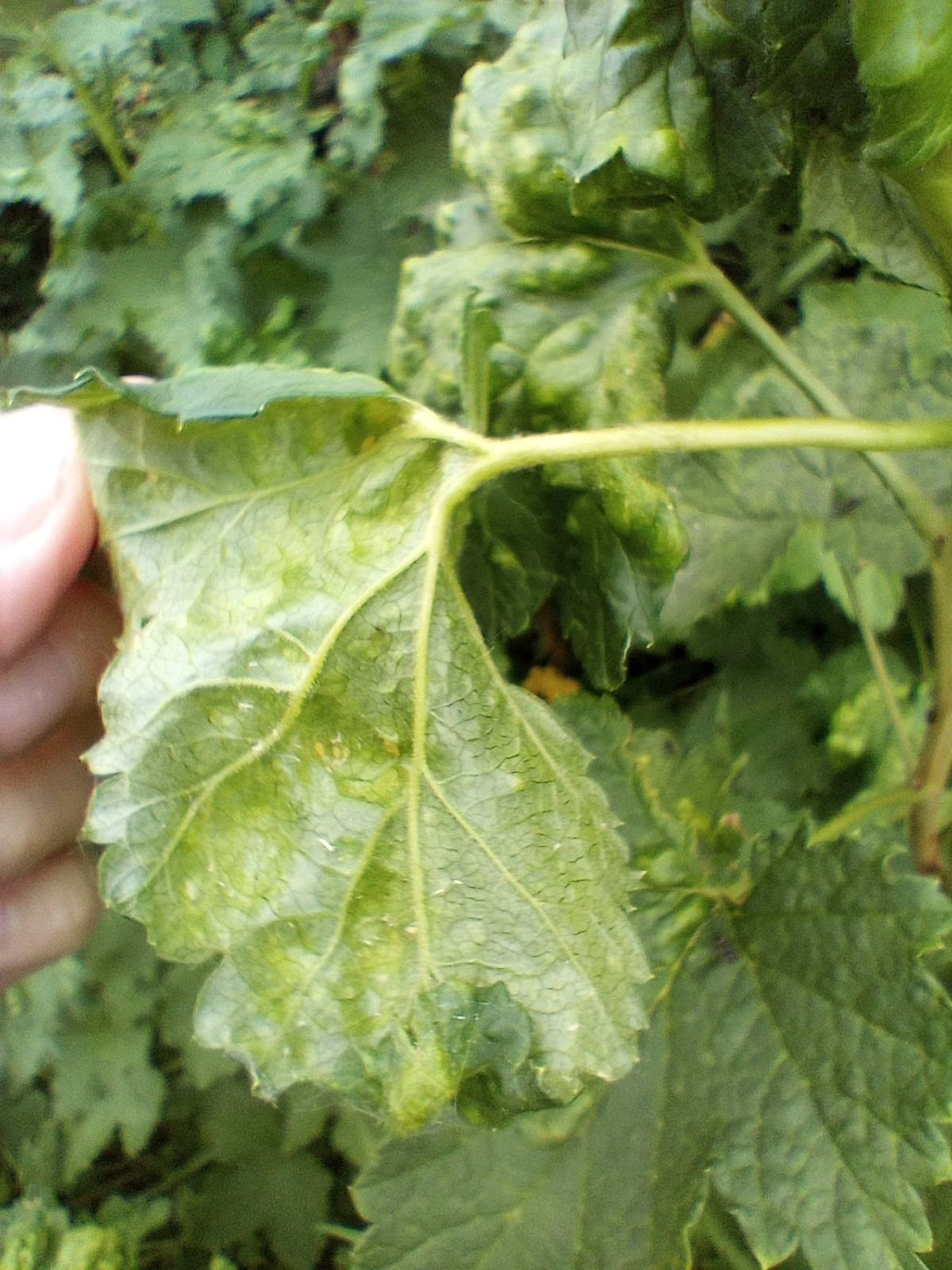
Even the most carefully tended houseplants attract pests sooner or later, especially when the air turns dry indoors during heating season or when a new plant arrives from the nursery without a quarantine period. The good news is that most infestations are manageable if you catch them early and treat them consistently. Here are the five pests you’re most likely to encounter, how to tell them apart, and how to get rid of them without reaching for harsh chemicals.
Spider Mites
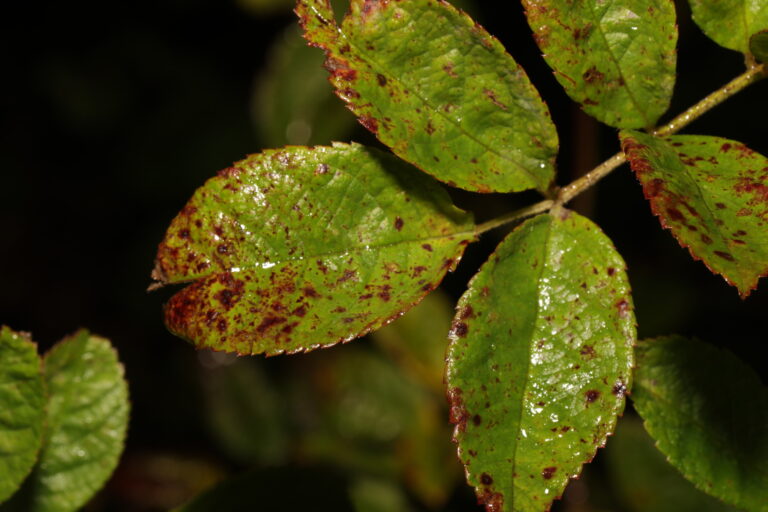
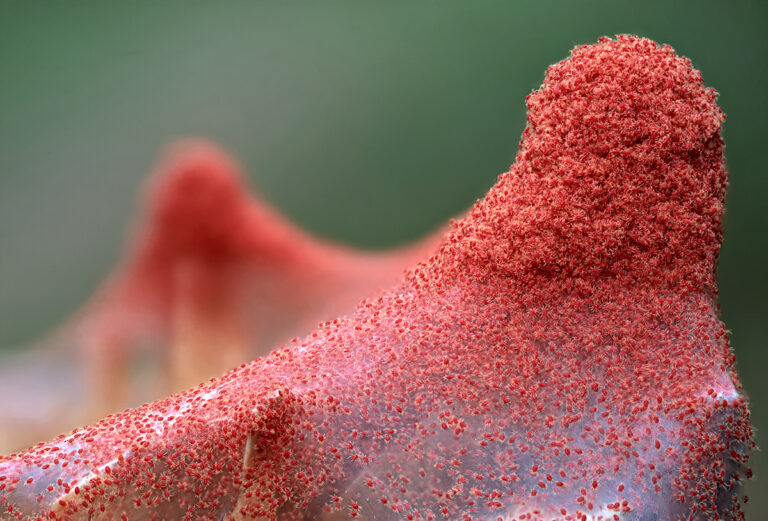
Spider mites are tiny arachnids that thrive in warm, dry conditions. You’ll usually notice fine webbing along stems and leaf joints before you see the mites themselves, along with a stippled, dusty-yellow speckling on the leaves. Hold a sheet of white paper under a suspect leaf and tap it — if tiny specks start moving, you have mites. Raise humidity around the plant, rinse foliage thoroughly under the shower or sink, and follow up with insecticidal soap or neem oil applied every 5–7 days for at least three rounds, since mites and their eggs are hard to kill in a single pass.
Mealybugs
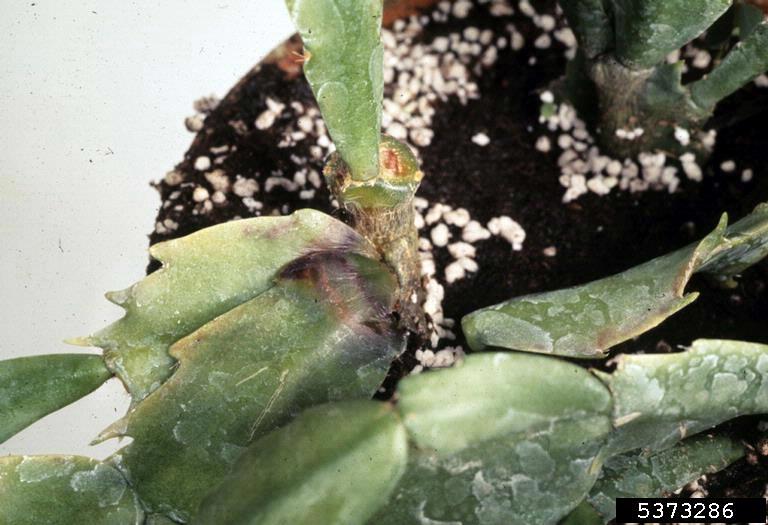
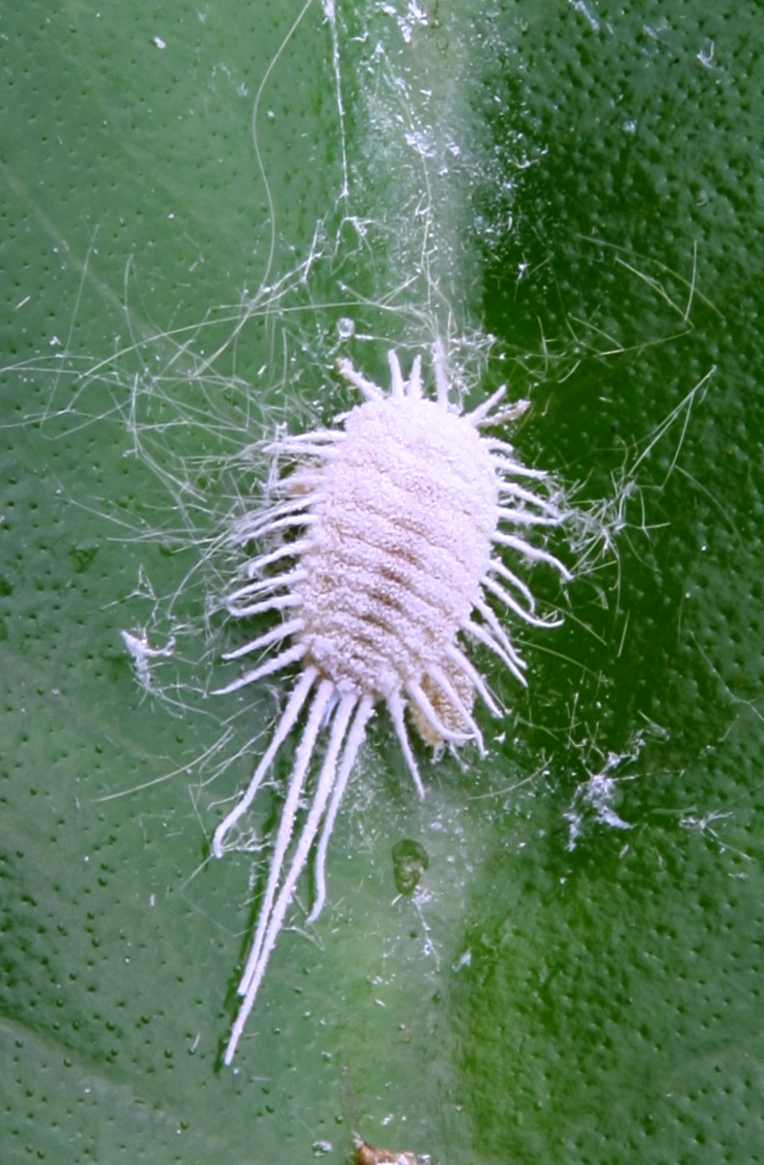
Mealybugs look like small tufts of white cotton wedged into leaf axils, along stems, and on the undersides of leaves. They excrete sticky honeydew that can lead to sooty mold. Dab each visible bug with a cotton swab dipped in 70% isopropyl alcohol to kill it on contact, then treat the whole plant with insecticidal soap or neem oil weekly until none reappear. Mealybugs hide well, so check leaf undersides and the soil surface, where they can also colonize roots.
Aphids
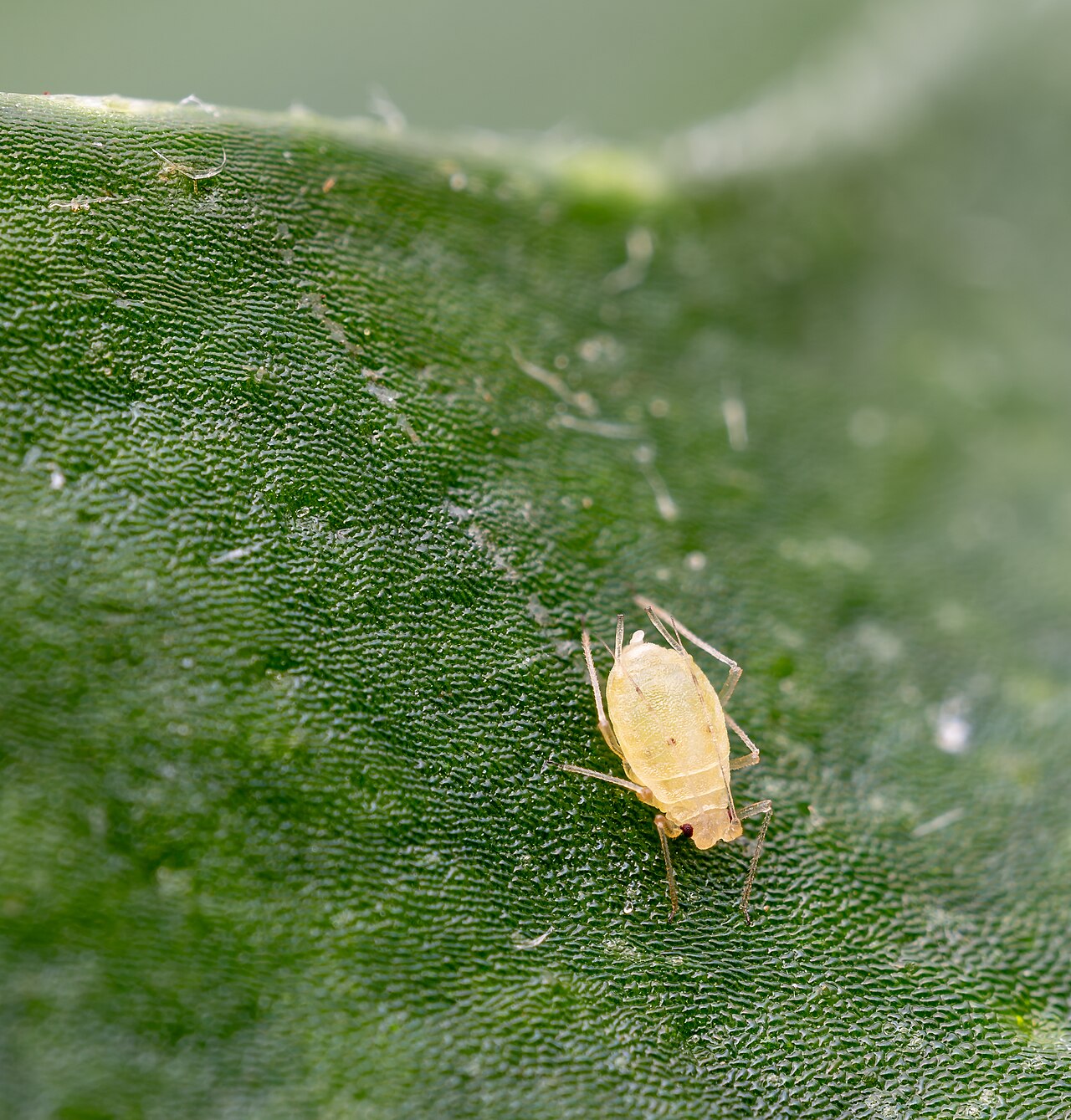
Aphids cluster on new growth and flower buds, are usually green, black, or brown, and are easy to spot with the naked eye. A strong jet of water in the sink will knock most of them off, and a follow-up spray of insecticidal soap or neem oil handles stragglers. Because aphids reproduce quickly, recheck the plant every few days for a couple of weeks.
Fungus Gnats
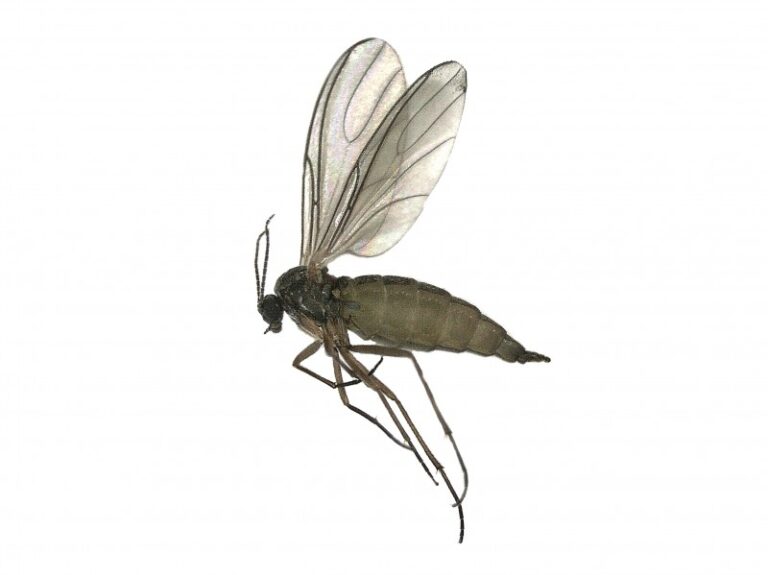
Those small dark flies hovering near the soil are fungus gnats, and their larvae live in the top inch of consistently damp potting mix, feeding on organic matter and fine roots. The fix is mostly cultural: let the soil surface dry out between waterings, top-dress with a layer of sand or diatomaceous earth to disrupt egg-laying, and set out yellow sticky traps to catch the adults and monitor the population.
Scale
Scale insects attach themselves to stems and leaf midribs and hide under a waxy brown or tan shell, which makes sprays less effective since the coating protects them. Scrape off visible scale with a fingernail or soft toothbrush, wipe the area with alcohol, and treat the whole plant with neem oil, which also disrupts the crawler (juvenile) stage before it forms a new shell.
General Prevention
- Quarantine new plants for two to three weeks away from your existing collection before introducing them.
- Inspect leaf undersides and new growth regularly — early detection makes treatment much easier.
- Wipe dust off leaves periodically; dusty foliage is more attractive to mites and scale.
- Avoid overwatering, which favors fungus gnats and root stress that weakens plants against pests.
- Isolate any infested plant immediately to keep pests from spreading to neighbors.
Most infestations respond well to two or three rounds of treatment spaced about a week apart, since you need to break the pest’s life cycle rather than just killing the adults you can see. If a plant is severely infested and not improving after a month of consistent treatment, it may be worth cutting your losses to protect the rest of your collection.