Best Indoor Plants for Low Light Rooms
Not every room has a bright window, but plenty of houseplants have evolved to cope with dim conditions — many originate as forest-floor understory plants that never see direct sun in the wild. Here are reliable choices for low-light rooms, along with why each one tolerates shade so well.
Best Low-Light Houseplants
- Pothos (Epipremnum aureum) — A fast-growing vine that tolerates low light well, though variegated types keep their pattern best with some indirect brightness. Let the soil dry out between waterings; it’s very forgiving of neglect.
- Snake plant (Dracaena trifasciata) — Extremely low-light tolerant thanks to thick, water-storing leaves adapted to arid, shaded conditions. Its biggest risk is overwatering, not underwatering — let soil dry fully between waterings.
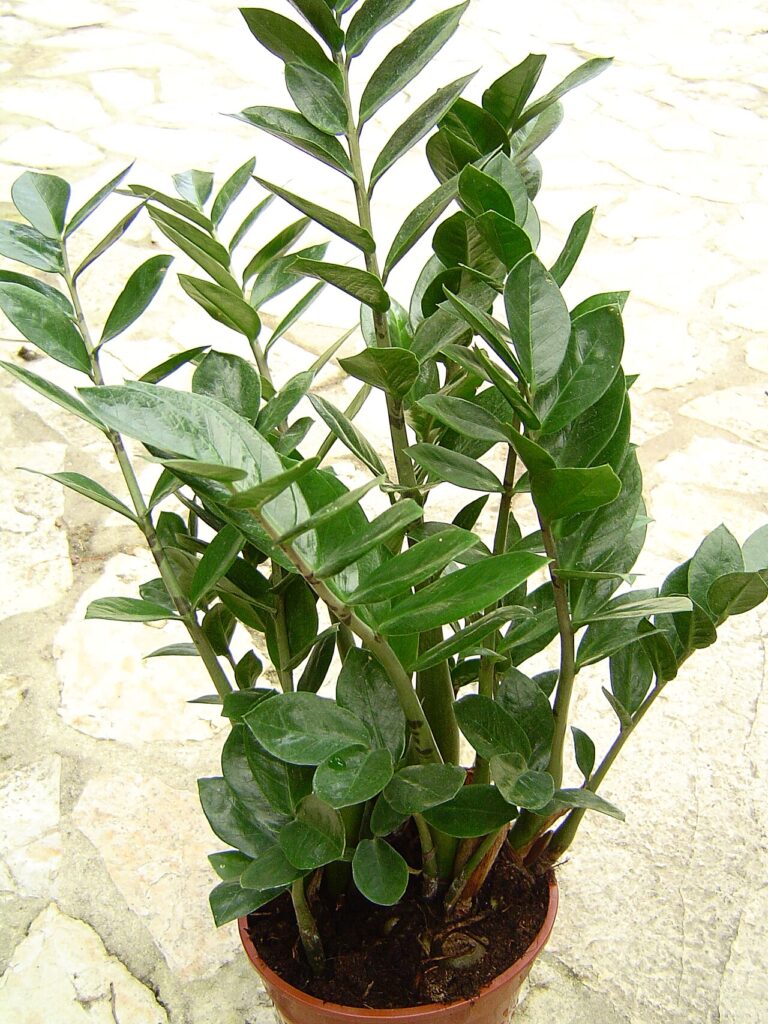
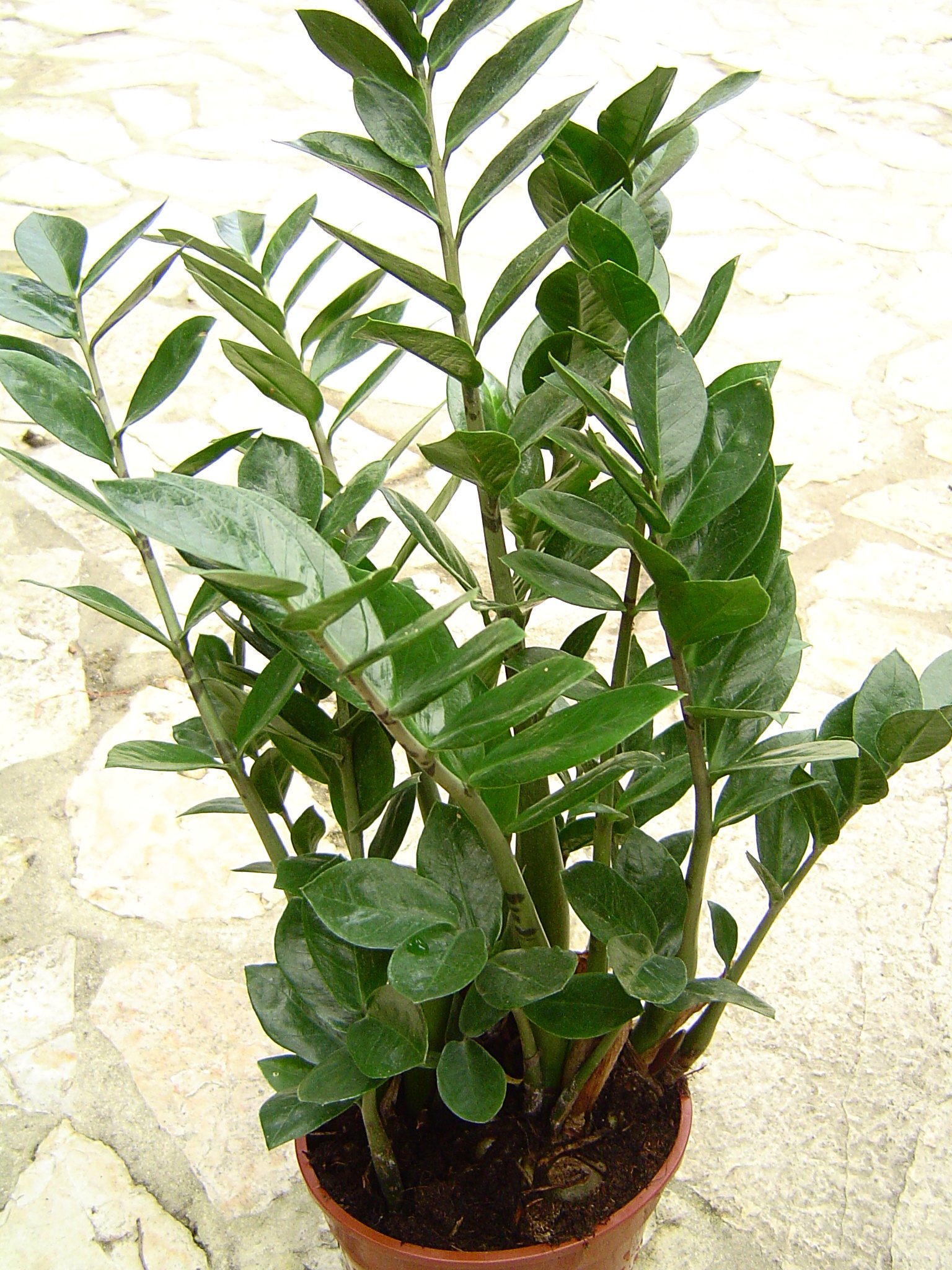
- ZZ plant (Zamioculcas zamiifolia) — Stores water in thick rhizomes underground, letting it handle low light and irregular watering better than almost any other houseplant. Glossy leaves also help it use limited light efficiently.
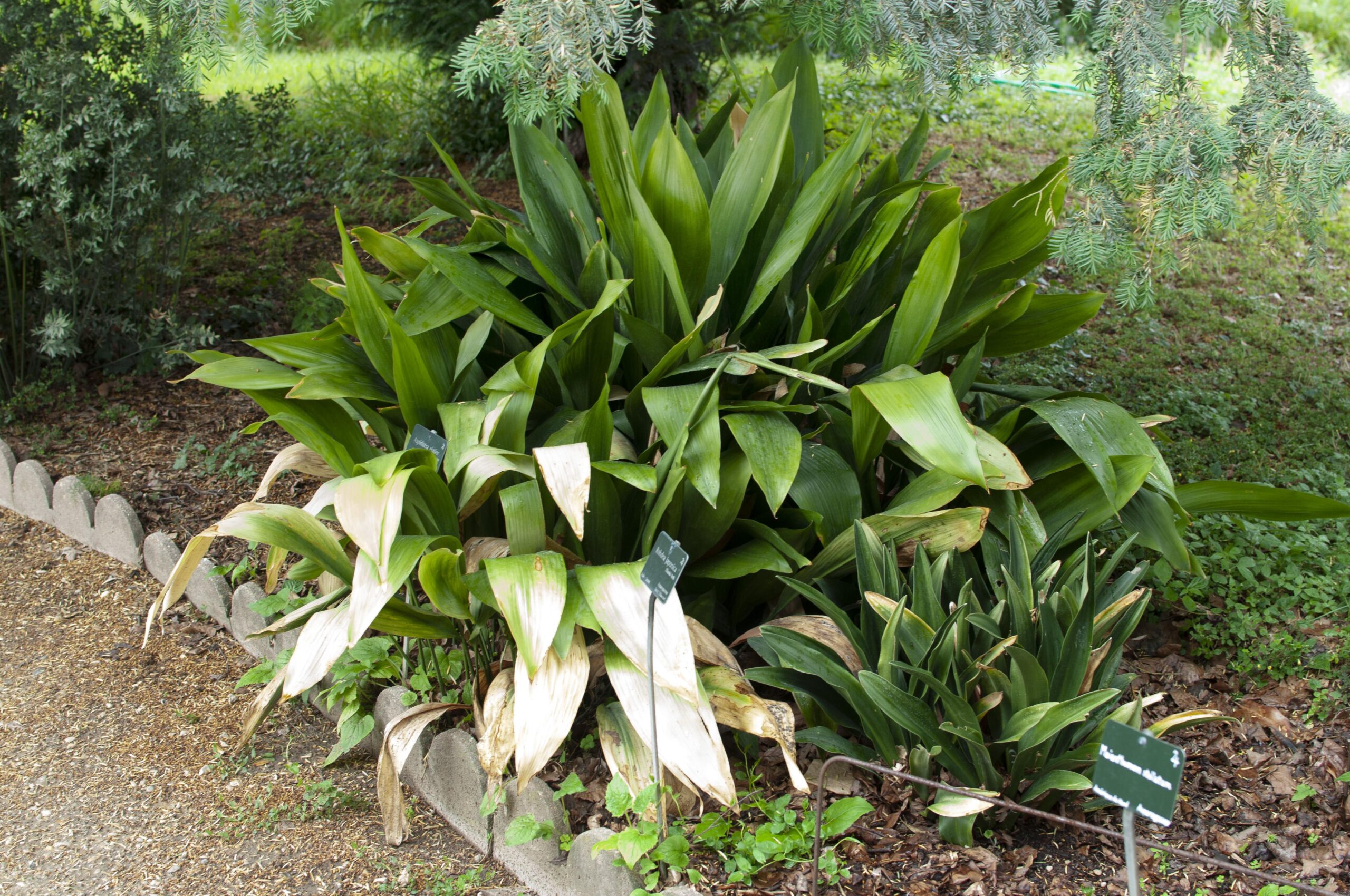
- Cast iron plant (Aspidistra elatior) — True to its name, this is one of the toughest houseplants available, tolerating deep shade, temperature swings, and inconsistent care. Growth is slow, so patience is part of the deal.
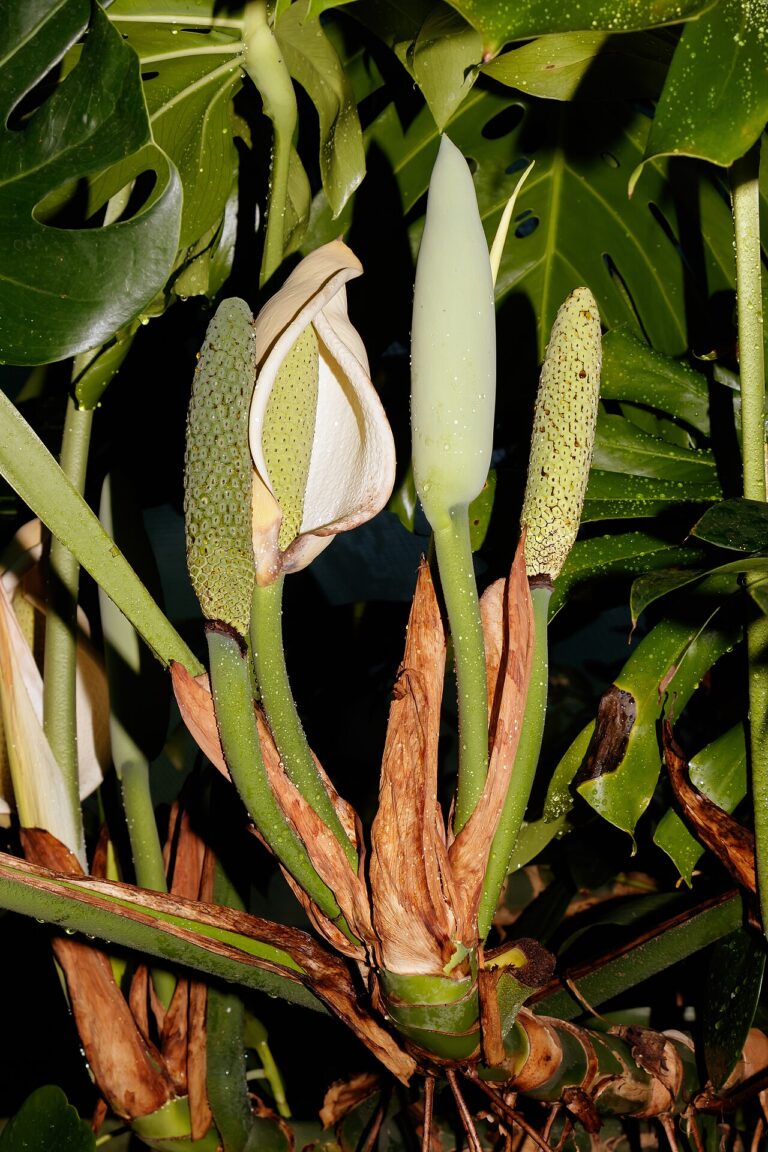
- Peace lily (Spathiphyllum) — Thrives in low to medium indirect light and is one of the few low-light plants that flowers indoors. It wilts dramatically when thirsty, giving an obvious visual cue that it’s time to water.
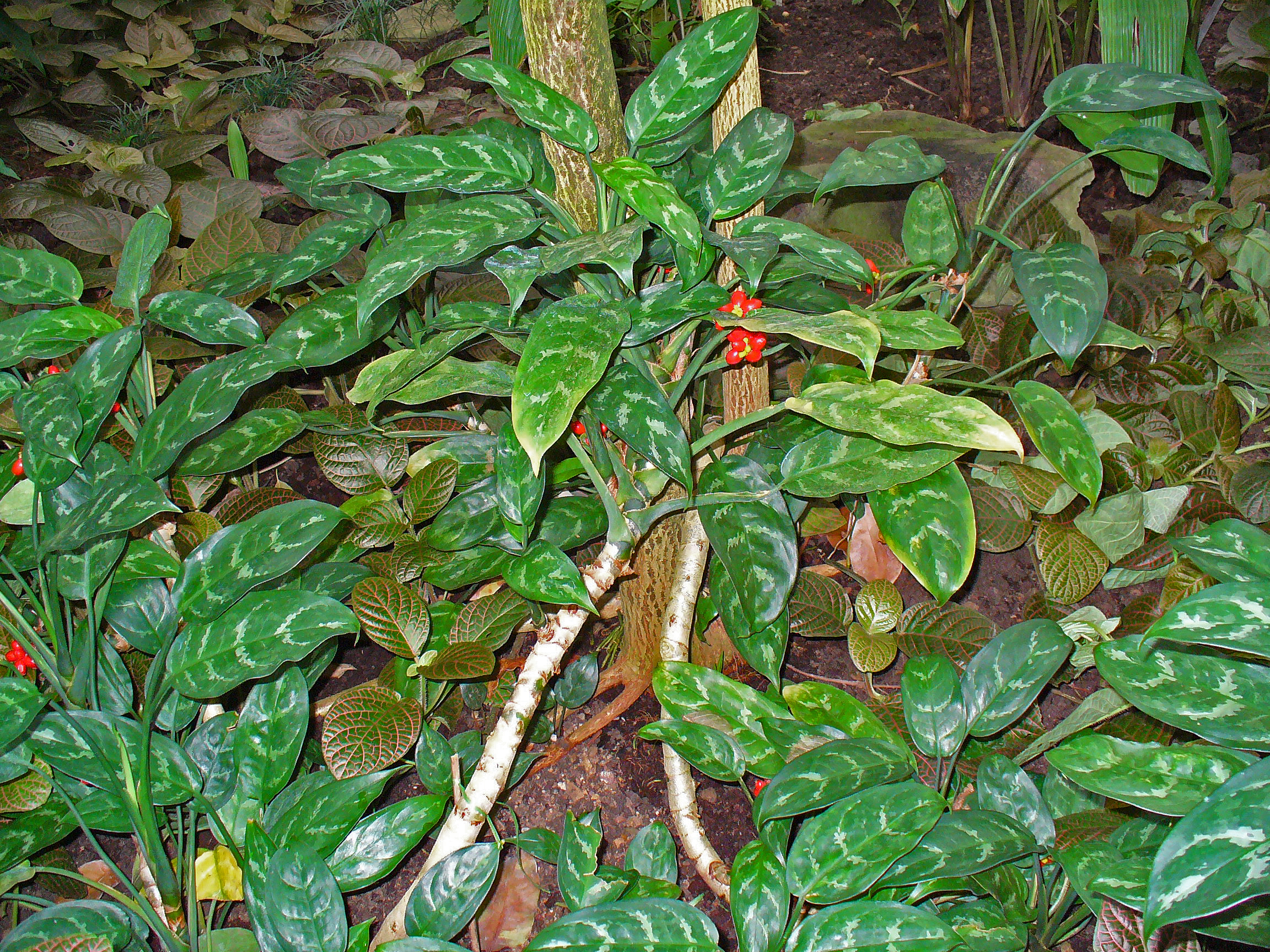
- Chinese evergreen (Aglaonema) — Naturally grows in the shaded understory of Southeast Asian forests, making it well suited to dim rooms. Darker-leaved varieties tolerate lower light than the more colorful variegated cultivars.
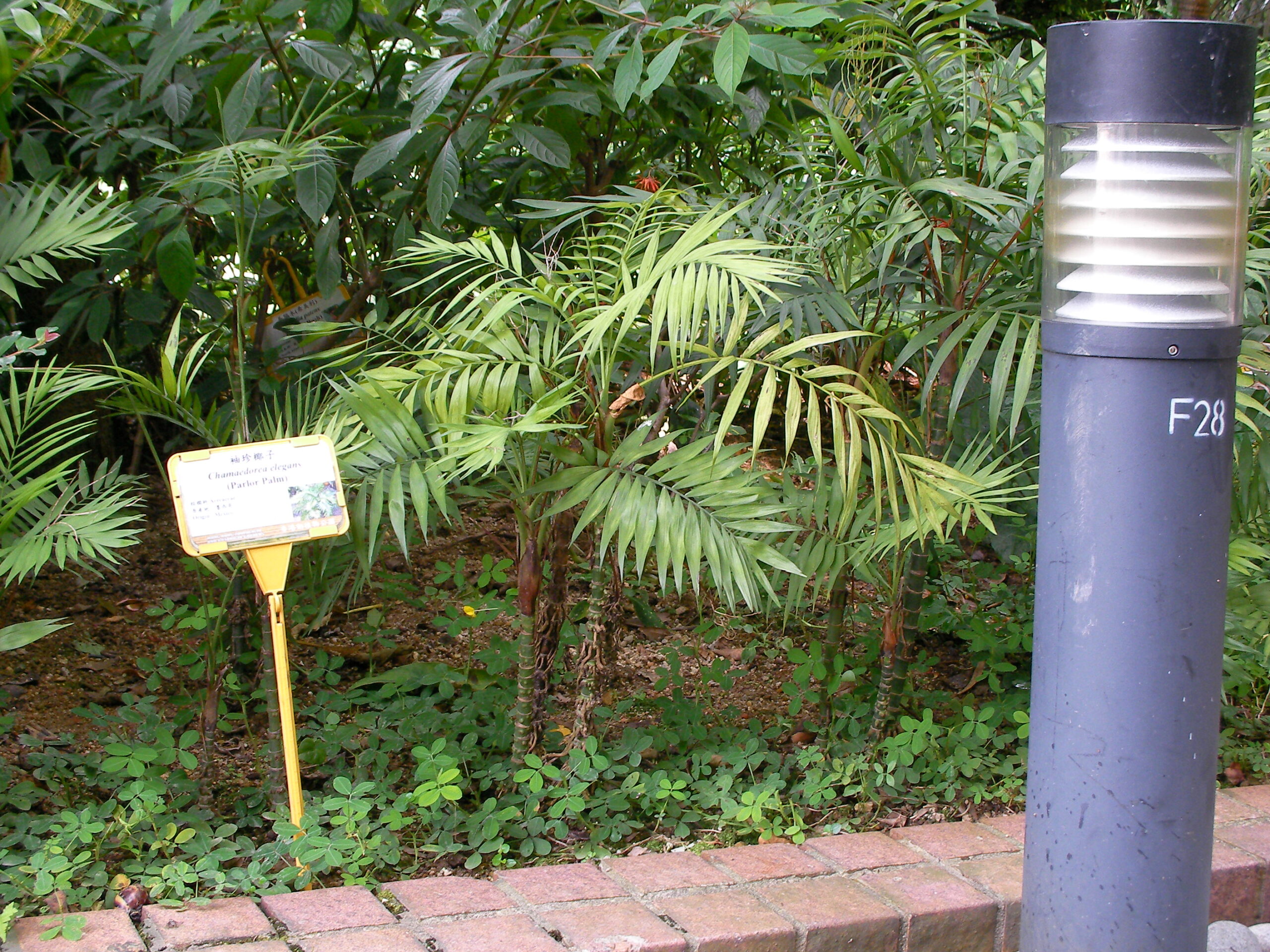
- Parlor palm (Chamaedorea elegans) — An old-fashioned Victorian favorite that adapted to low-light Victorian parlors for good reason; it grows slowly but steadily in indirect or low light.
Why These Plants Tolerate Shade
Plants that evolved beneath a forest canopy developed larger, darker-pigmented leaves to capture as much of the filtered light as possible, along with slower overall growth rates and, in some cases, water-storing tissue (like the ZZ plant’s rhizomes or snake plant’s leaves) that lets them survive stretches of low resources. This is why most true low-light plants also grow more slowly than sun-loving species — they’re conserving energy rather than racing to grow.
Care Basics for Low-Light Rooms
- Water less often. Slower growth in low light means slower water use, so let soil dry more between waterings than you would in bright light to avoid root rot.
- Skip heavy feeding. Reduced light means reduced growth, so cut fertilizer frequency to roughly once every six to eight weeks during the growing season.
- Dust the leaves. A layer of dust blocks what little light is available; wipe broad leaves periodically with a damp cloth.
- Rotate occasionally so growth doesn’t lean permanently toward the nearest light source.
- “Low light” doesn’t mean no light. Every plant on this list still needs some ambient daylight — a windowless room lit only by artificial light will struggle even the toughest species.
With the right species matched to the right room, a dim corner can still support healthy, long-lived greenery — just choose plants that evolved for exactly that environment rather than fighting the conditions with a sun-lover.
Comparison: Best Low-Light Plants to Buy
Four reliable picks from above, compared side by side.
| Product | Price Tier | Key Differentiator | Best For |
|---|---|---|---|
| Peace Lily | $$ | The only pick here that reliably flowers indoors | Rooms wanting blooms, not just foliage |
| Chinese Evergreen | $$ | Patterned leaves with a wide range of light tolerance | Adding color without a bright window |
| Parlor Palm | $$$ | Classic Victorian low-light palm, slow and compact | Small rooms wanting a palm silhouette |
| ZZ Plant | $$ | Rhizome water storage handles near-total neglect | Busy households or offices with dim corners |