Liquid Fertilizer vs. Slow-Release Fertilizer: Which Is Better for Your Plants?
How Each Type Works
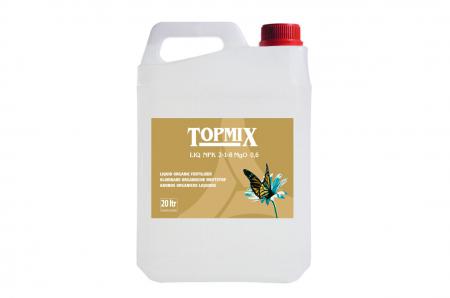
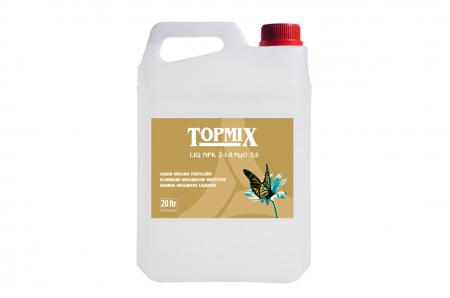
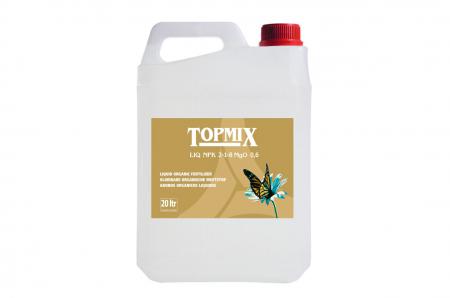
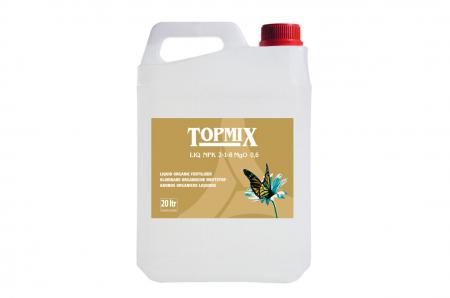
Liquid fertilizer is a concentrated formula diluted in water and applied directly to the soil or as a foliar spray. Because nutrients are already dissolved, plants can absorb them almost immediately, making liquid feed the fastest way to correct a deficiency or give a boost during active growth. Slow-release fertilizer, by contrast, comes as granules, pellets, or coated prills that release nutrients gradually over weeks or months, either through a semi-permeable coating that lets moisture in and nutrients out slowly, or through the natural breakdown of organic material. Instead of one strong dose, plants receive a steady trickle of nutrition over time.
Pros and Cons of Each
Liquid fertilizer gives precise control — you decide exactly how much and how often to feed, and it’s easy to adjust the formula (more nitrogen for leafy growth, more phosphorus and potassium for flowering and fruiting) as a plant’s needs change through the season. Its main drawback is that it needs to be reapplied regularly, typically every one to two weeks, and it’s easy to over-fertilize by applying it too strong or too often, which can burn roots or cause salt buildup in the soil. Slow-release fertilizer requires far less maintenance — a single application can feed a plant for one to several months — and the gradual release lowers the risk of burning roots with a concentrated dose. The tradeoff is less control: you can’t quickly adjust the nutrient ratio, and release rates vary with soil temperature and moisture, so timing isn’t always predictable.
When to Use Which
Liquid fertilizer suits seedlings and young plants that need diluted, gentle feeding; houseplants during their active growing season; and any situation where you want to respond quickly to a visible problem, like pale leaves signaling a nitrogen shortfall. Slow-release fertilizer is ideal for container plants and garden beds where convenience matters, for busy growers who can’t keep to a frequent feeding schedule, and for mixing into soil at planting time to provide season-long background nutrition without ongoing effort.
Real Products to Compare
Here’s how two liquid and two slow-release fertilizers compare in practice:
| Product | Type | Price Tier | Best For |
|---|---|---|---|
| Miracle-Gro Indoor Plant Food | Liquid | Budget | Weekly feeding during active growth |
| Jack’s Classic All Purpose 20-20-20 | Liquid (water-soluble) | Mid-range | Growers who want to adjust the NPK ratio by season |
| Osmocote Smart-Release Plant Food | Slow-release granules | Mid-range | Container plants that need months of hands-off feeding |
| Espoma Organic Plant-tone | Slow-release, organic granular | Mid-range | Mixing into soil at planting time for season-long nutrition |
Using Both Together
Many experienced growers use both: a slow-release granular fertilizer mixed into the soil at planting for steady baseline nutrition, supplemented with occasional diluted liquid feed during peak growth or flowering for an extra boost. Whichever type you use, always follow label dilution and application rates, since over-fertilizing is one of the most common causes of stressed or damaged plants — more feed is not automatically better.
This article may contain affiliate links. If you purchase a product through one of these links, Plantgecko may earn a commission at no extra cost to you. This never influences our editorial independence or which products we recommend.