Mixing Your Own Seed Starting Soil
Why Seed Starting Mix Is Different
Seed starting mix is not the same thing as potting soil or garden soil. Germinating seeds and young seedlings need a very fine, lightweight texture that holds moisture evenly without compacting, since tiny emerging roots can’t push through dense or clumpy material. Ordinary potting soil is often too coarse and rich, while garden soil can carry weed seeds, fungal spores, and pests that cause damping-off, a common fungal disease that kills seedlings at the soil line. A dedicated seed starting mix is also intentionally low in nutrients, because most seeds contain enough stored energy to germinate and produce their first true leaves without added fertilizer.
A Simple Basic Recipe
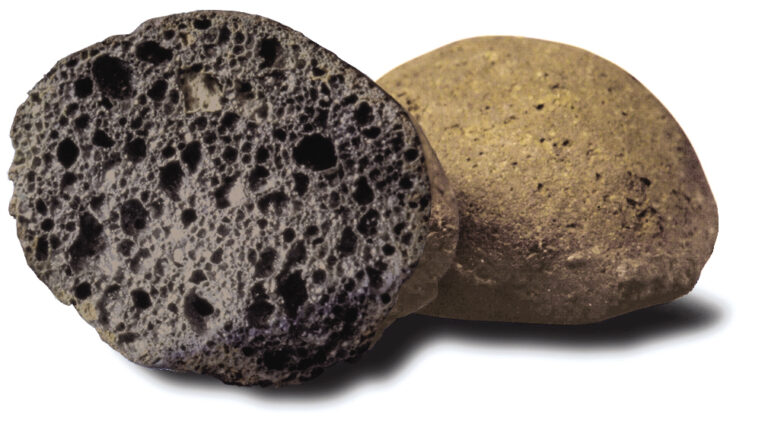
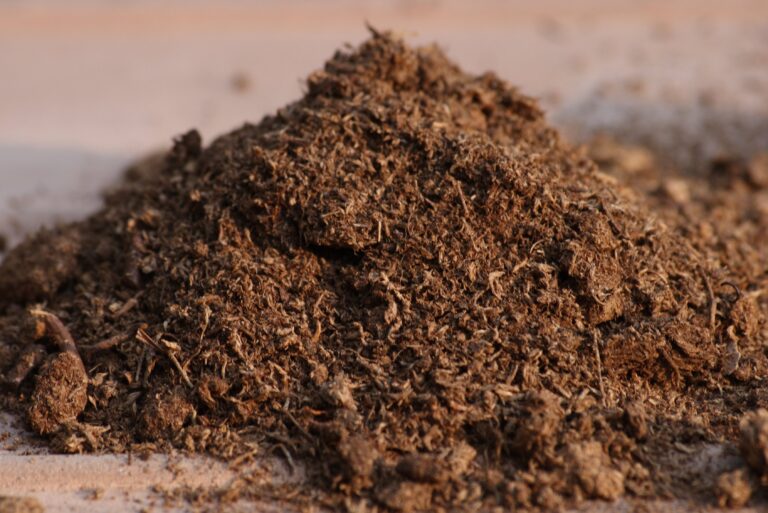
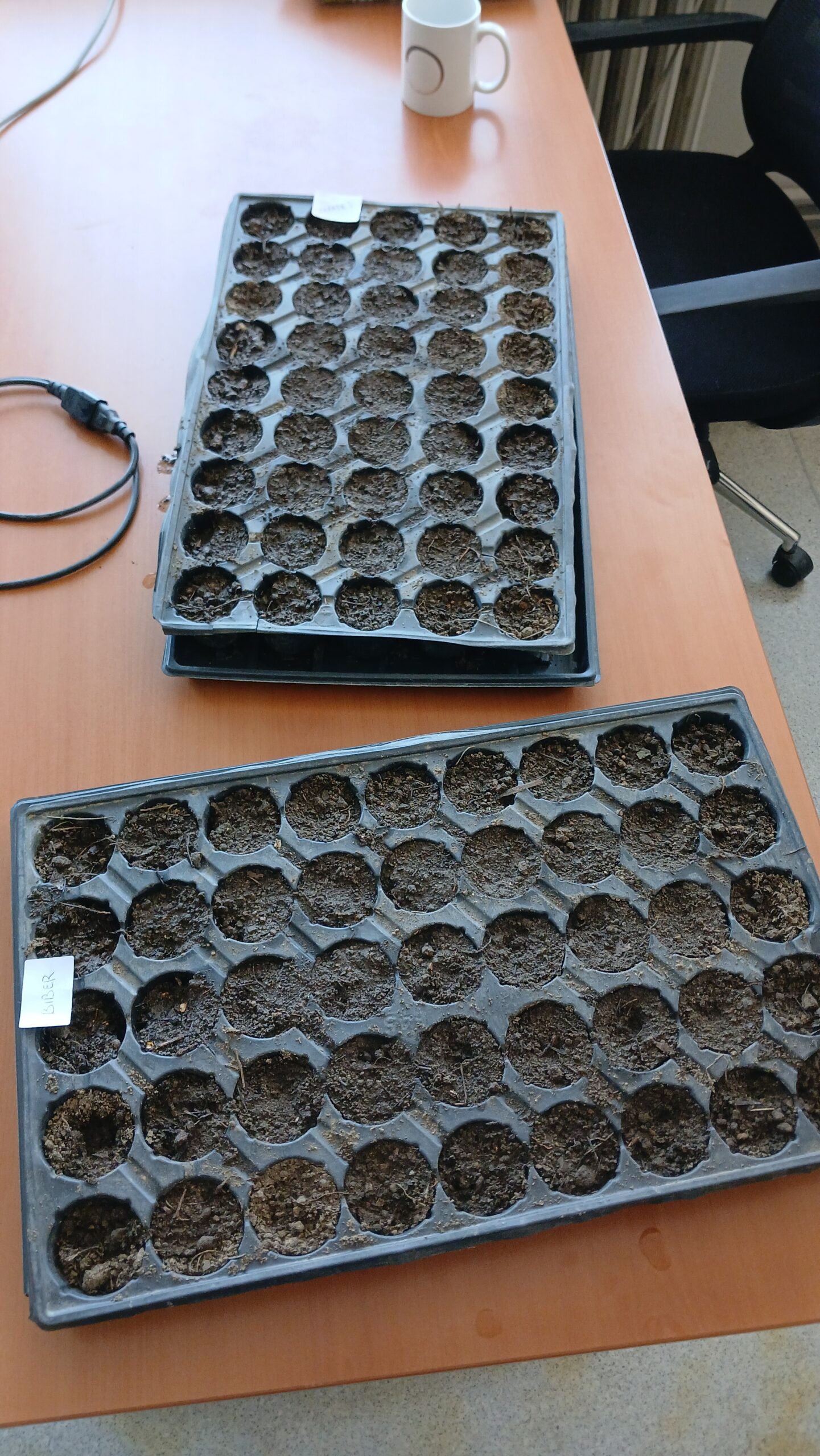
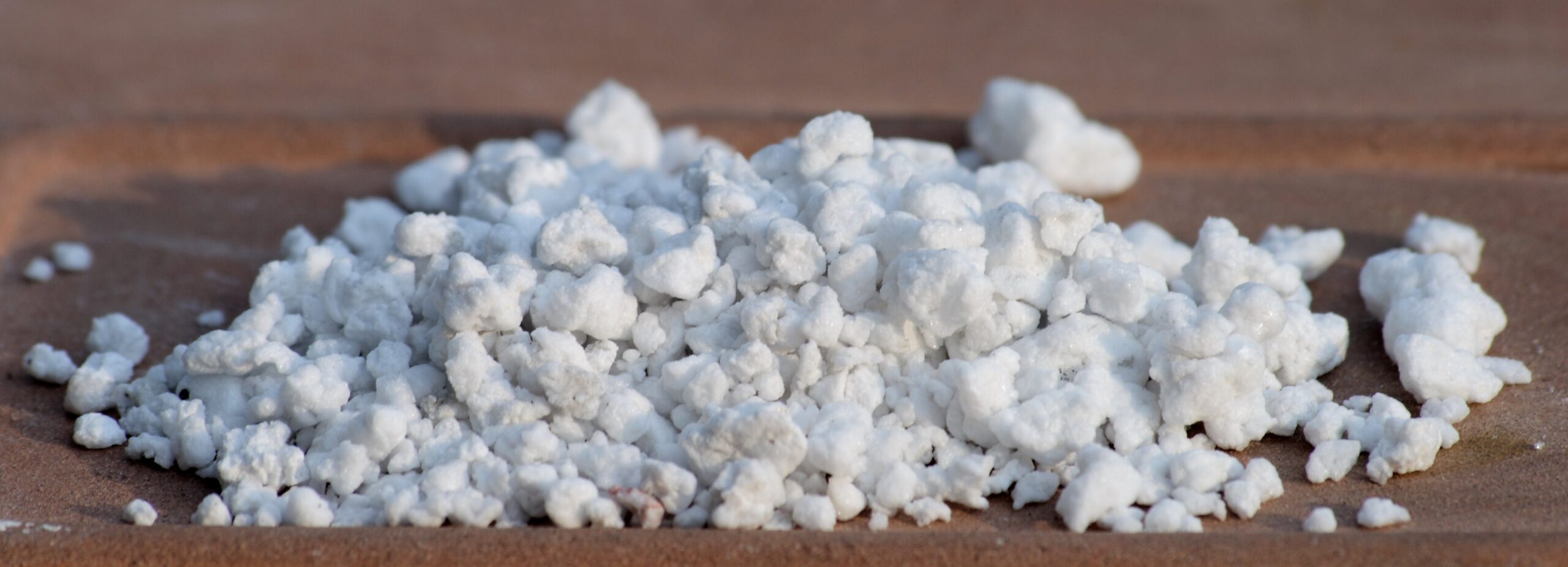
A reliable homemade mix combines two parts peat moss or coco coir (for moisture retention and a fine, soft texture), one part perlite (for drainage and air pockets), and one part vermiculite (which holds moisture and some nutrients while keeping the mix light). Some growers add a small amount of finished, well-sifted compost — no more than 10 to 15 percent of the total volume — for a gentle nutrient boost, though this isn’t necessary for the first few weeks of growth. Mix the ingredients thoroughly and moisten the batch evenly before filling trays or cells, since dry peat and coir resist water and can create dry pockets.
Sterility, pH, and Practical Tips
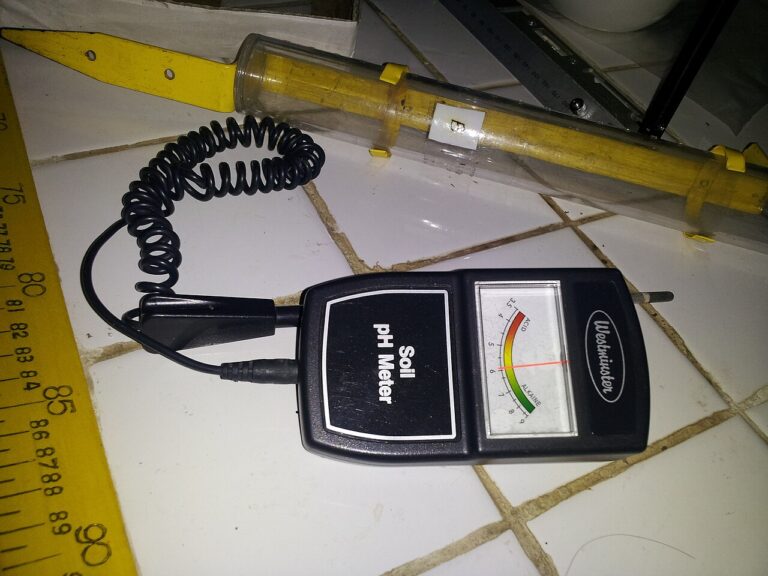
Avoid using garden soil or unsterilized compost straight from an outdoor pile, as both can introduce pathogens that thrive in the warm, humid environment of a seed tray. Commercial peat, coir, perlite, and vermiculite are effectively sterile out of the bag. Most vegetable and flower seeds germinate well in a slightly acidic to neutral pH of around 6.0 to 6.8, which this mix naturally falls into; coir tends to sit closer to neutral than peat, which is more acidic. Fill trays loosely and avoid pressing the mix down hard, since compaction is one of the most common causes of poor germination.
When to Start Feeding Seedlings
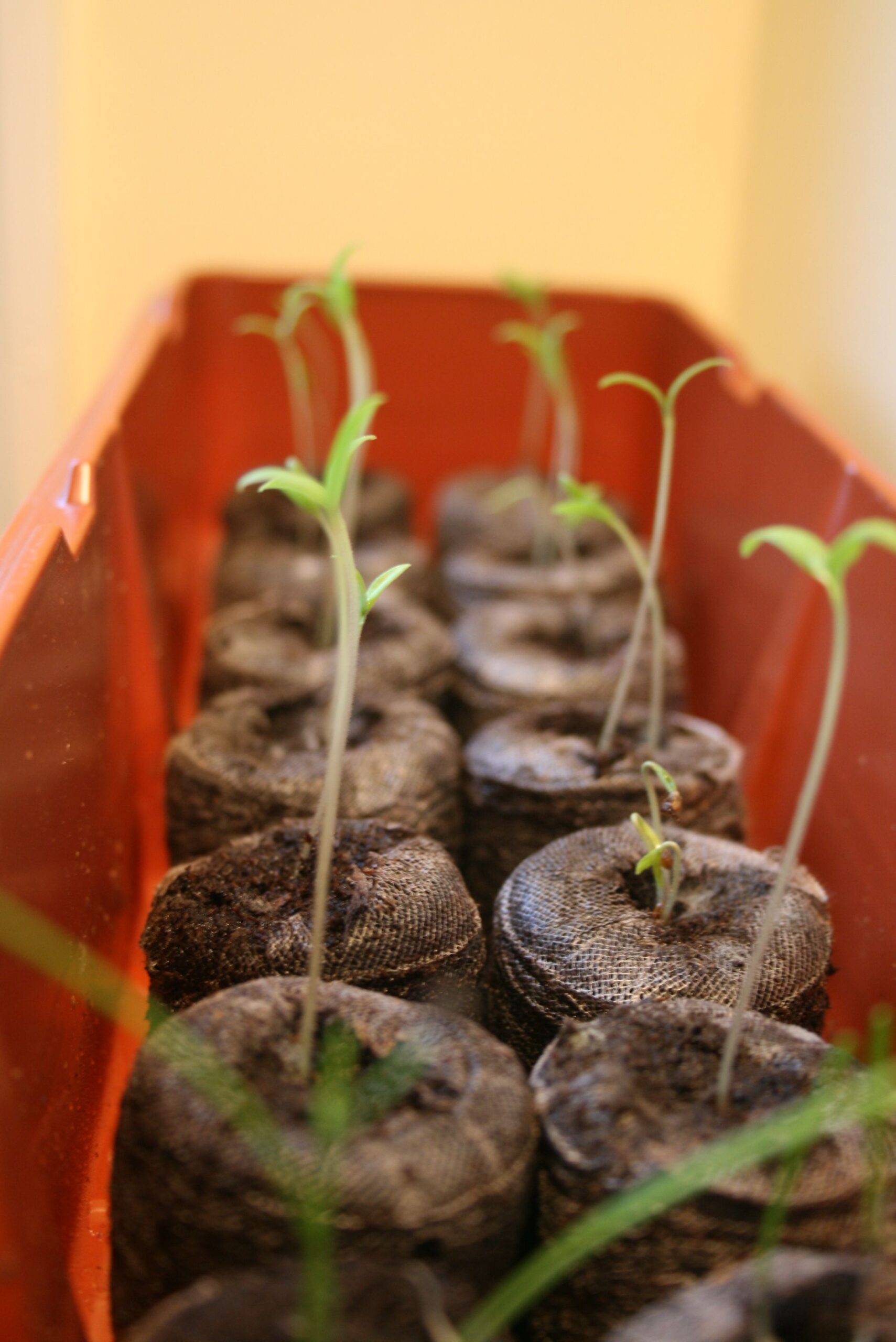
Once seedlings develop their first set of true leaves (the second set to appear, after the initial seed leaves), their stored seed energy is largely used up and they benefit from a diluted liquid fertilizer, typically mixed at a quarter to half the label strength, applied every one to two weeks until they’re transplanted into richer potting soil.
This article may contain affiliate links. If you purchase a product through one of these links, Plantgecko may earn a commission at no extra cost to you. This never influences our editorial independence or which products we recommend.