Japanese Spurge (Pachysandra terminalis): The Ultimate Shade Ground Cover
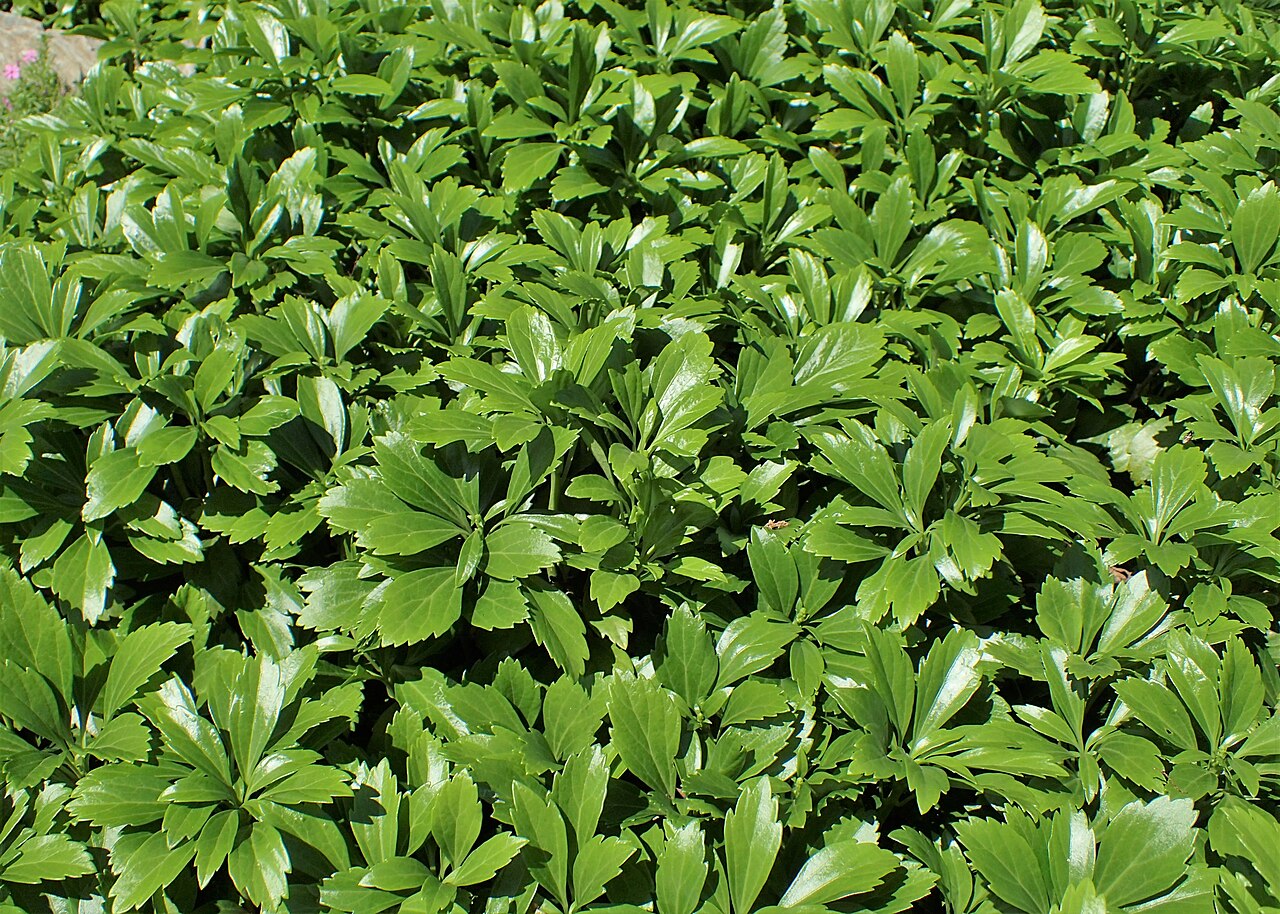
Japanese spurge (Pachysandra terminalis) is one of the most reliable ground covers for difficult, deeply shaded spots. With its dense, evergreen foliage, it forms a consistently closed carpet and thrives where hardly any other plant would survive, such as under dense conifers, in dark courtyards, and on shady north-facing sites.
Characteristics of Japanese Spurge
- Height: 15-25 cm (6-10 inches)
- Growth habit: Spreading by runners, dense ground cover
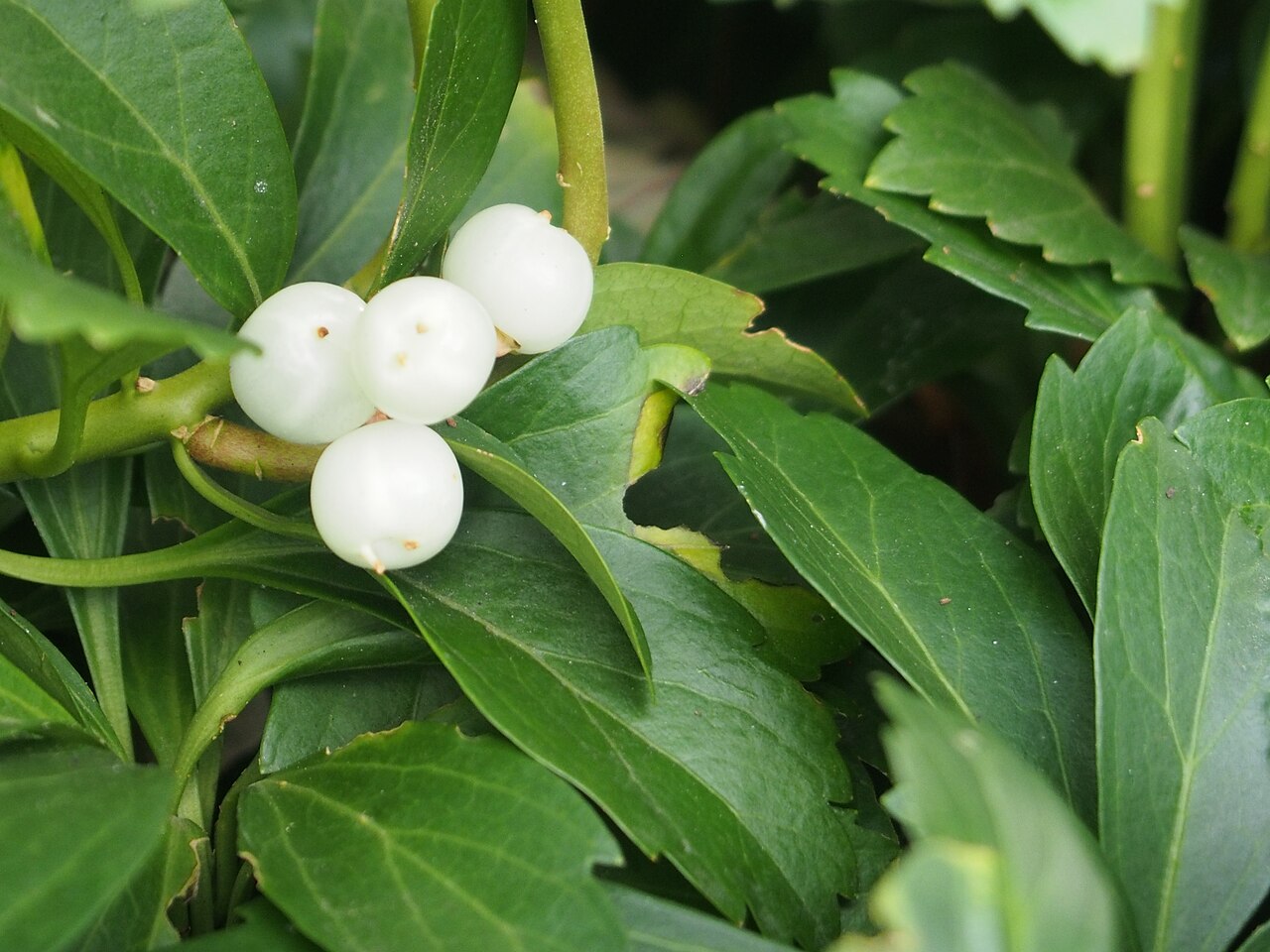
- Foliage: Evergreen, glossy leathery leaves, dark green
- Flowers: April-May, inconspicuous creamy-white spikes
- Winter hardiness: Down to -25°C (-13°F), excellent
- Soil: Humus-rich, moist, slightly acidic to neutral
- Location: Shady to partially shaded
Location and Planting
Japanese spurge is a true shade specialist. In full sun, the leaves turn yellow and the plant struggles. The ideal spot is shady to partially shaded, with humus-rich, consistently moist soil. Improve heavy, compacted soils with leaf compost and a little sand before planting.
The best time to plant is spring or fall. Plant about 8-12 plants per square meter, spaced 25-30 cm (10-12 inches) apart. Japanese spurge grows more slowly than many other ground covers — expect it to take about two to three years for the area to fill in completely. During this time, weed regularly.
Care and Pruning
Japanese spurge is extremely low-maintenance. Water during dry periods to keep the soil evenly moist. An annual feeding with leaf compost or bonemeal in spring supports healthy growth. Pruning is generally not necessary. If plants become too tall or spread too vigorously, you can trim them back in spring with hedge shears or a lawnmower set on a high setting.
Pests and Diseases
Japanese spurge is remarkably robust and largely free of pests and diseases. Root rot can occasionally occur in overly wet locations, so make sure drainage is adequate and avoid waterlogging. Slugs avoid the leathery leaves, and the plant has few natural enemies overall.
This article may contain affiliate links. If you purchase a product through one of these links, Plantgecko may earn a commission at no extra cost to you. This never influences our editorial independence or which products we recommend.