Herbs on the Windowsill: Fresh Harvesting All Year Round
Choosing the Right Spot
A south- or west-facing window that gets at least four to six hours of direct sun is the best starting point for an indoor herb garden. During the shorter, weaker light of winter, a supplemental grow light run for 12-14 hours a day makes a noticeable difference in keeping growth compact and healthy rather than pale and stretched. Keep pots away from cold drafts near window glass in winter and away from hot, dry air from heating vents.
Best Herbs for Indoor Growing
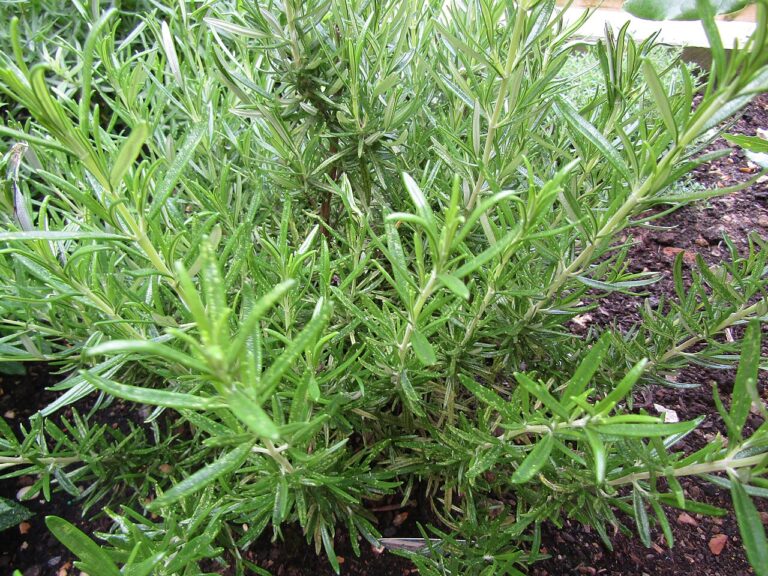
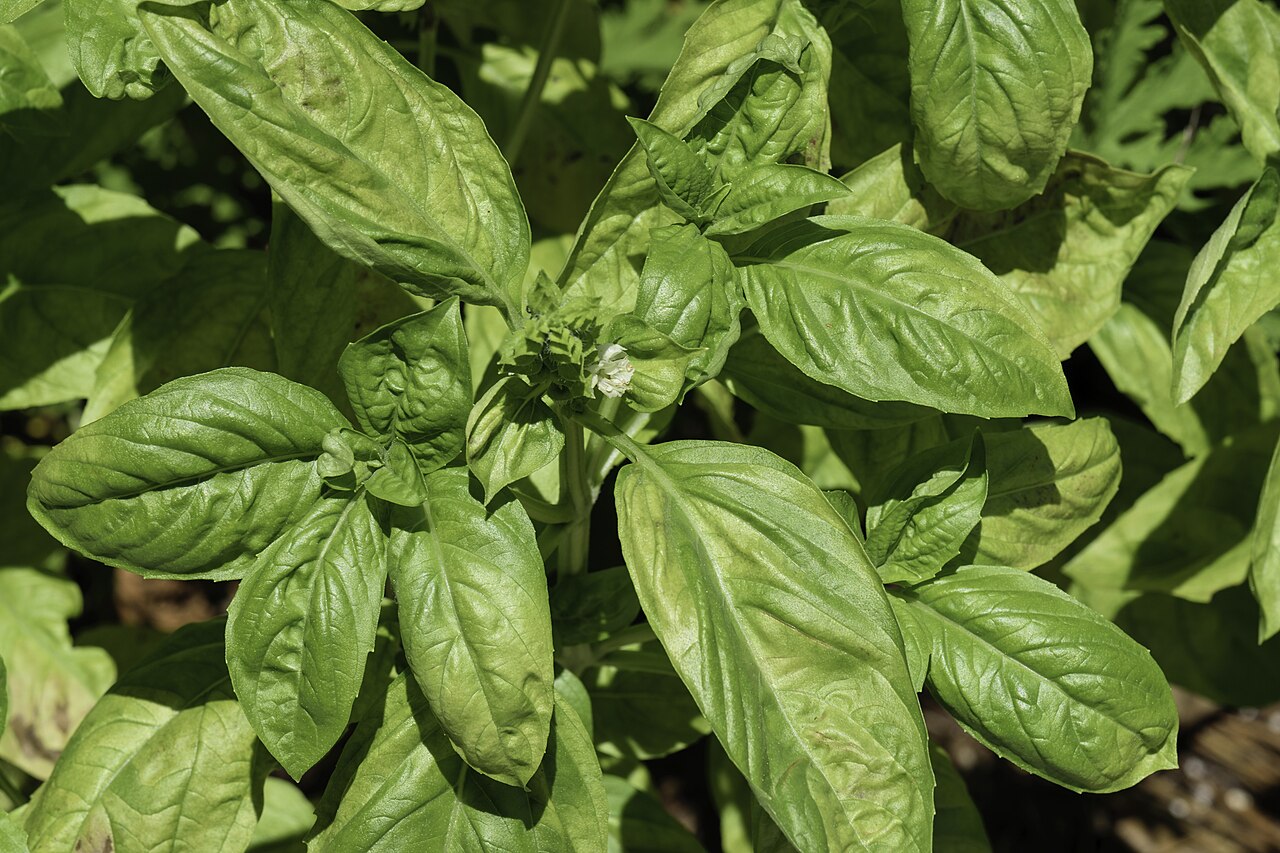
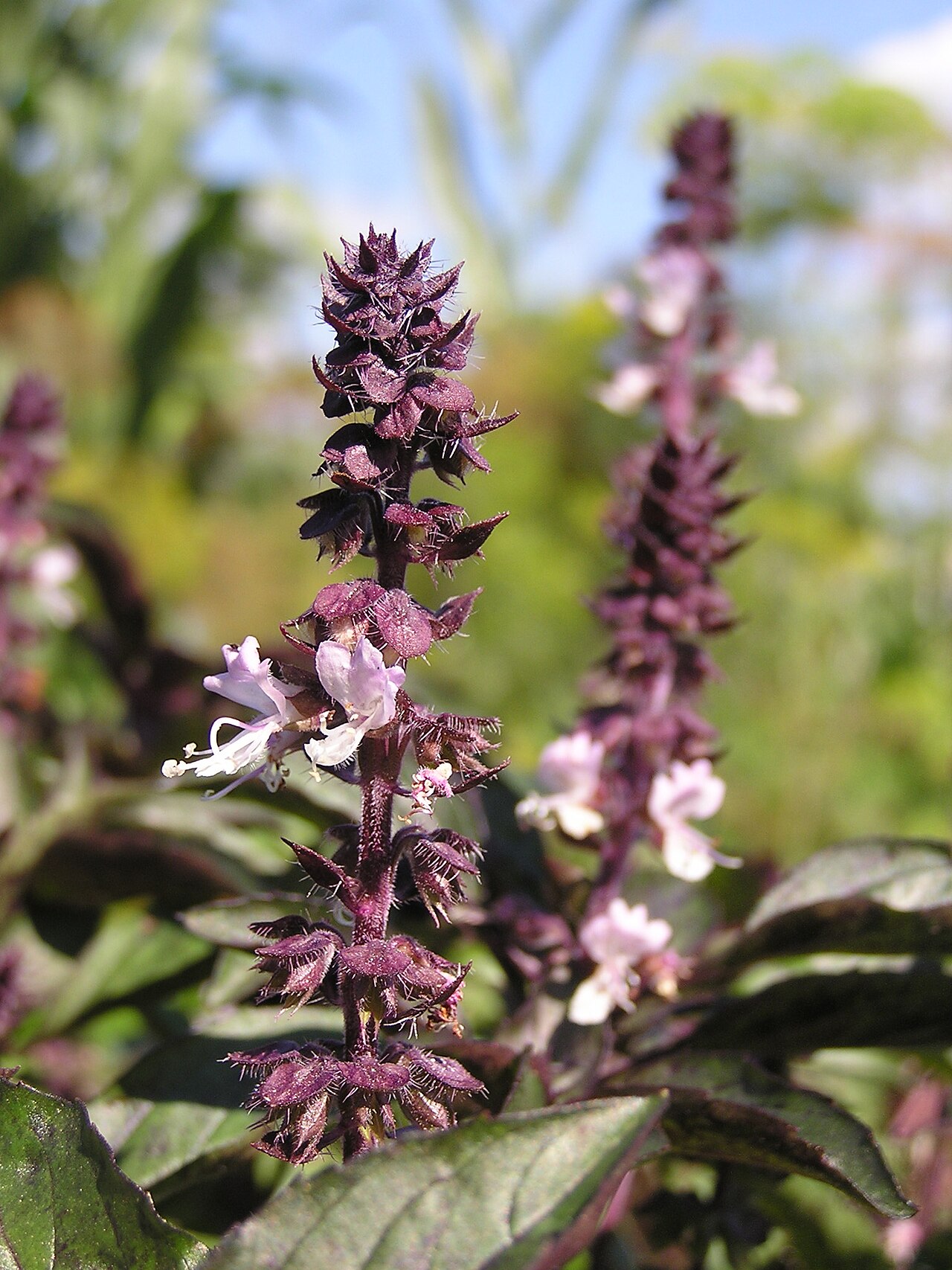
Chives, parsley, mint, thyme, and oregano generally adapt well to the lower light levels of an indoor windowsill. Basil and rosemary are more demanding, needing more warmth and direct light to stay healthy, and can struggle indoors without a grow light. When grouping herbs in the same tray or planter, pair species with similar water needs — for example, keep drought-tolerant thyme and rosemary separate from thirsty basil and mint.
Pots, Soil, and Watering
Always use pots with drainage holes and a well-draining potting mix formulated for containers; regular garden soil compacts indoors and drains poorly. Water when the top inch of soil feels dry, and empty any water that collects in the saucer rather than letting pots sit in it. Indoor heating dries the air considerably, so herbs that prefer higher humidity, such as basil, benefit from occasional misting or being placed on a tray of pebbles kept topped up with water.
Feeding and Harvesting
Feed lightly about once a month during periods of active growth in spring and summer, and cut back or stop feeding in winter when growth naturally slows. When harvesting, snip outer or top stems rather than stripping a plant bare, and never remove more than about a third of the foliage at once — this keeps the plant productive and encourages continuous new growth for a steady year-round supply.
If leaves turn pale and stems grow long and thin, the plant likely needs more light. Yellowing leaves usually point to overwatering, while fine webbing and stippled leaves in the dry indoor air of winter are signs of spider mites, best managed by raising humidity and rinsing foliage periodically.
It also helps to rotate pots every few days so all sides of the plant receive even light, since windowsill herbs otherwise tend to lean and grow lopsided toward the glass. Repot into a slightly larger container once roots begin to circle the bottom of the pot, usually once or twice a year for fast-growing herbs like mint and chives, and refresh the potting mix at the same time to replenish nutrients that have been used up.
This article may contain affiliate links. If you purchase a product through one of these links, Plantgecko may earn a commission at no extra cost to you. This never influences our editorial independence or which products we recommend.