Fiddle Leaf Fig Care Guide: Light, Watering, and Common Problems
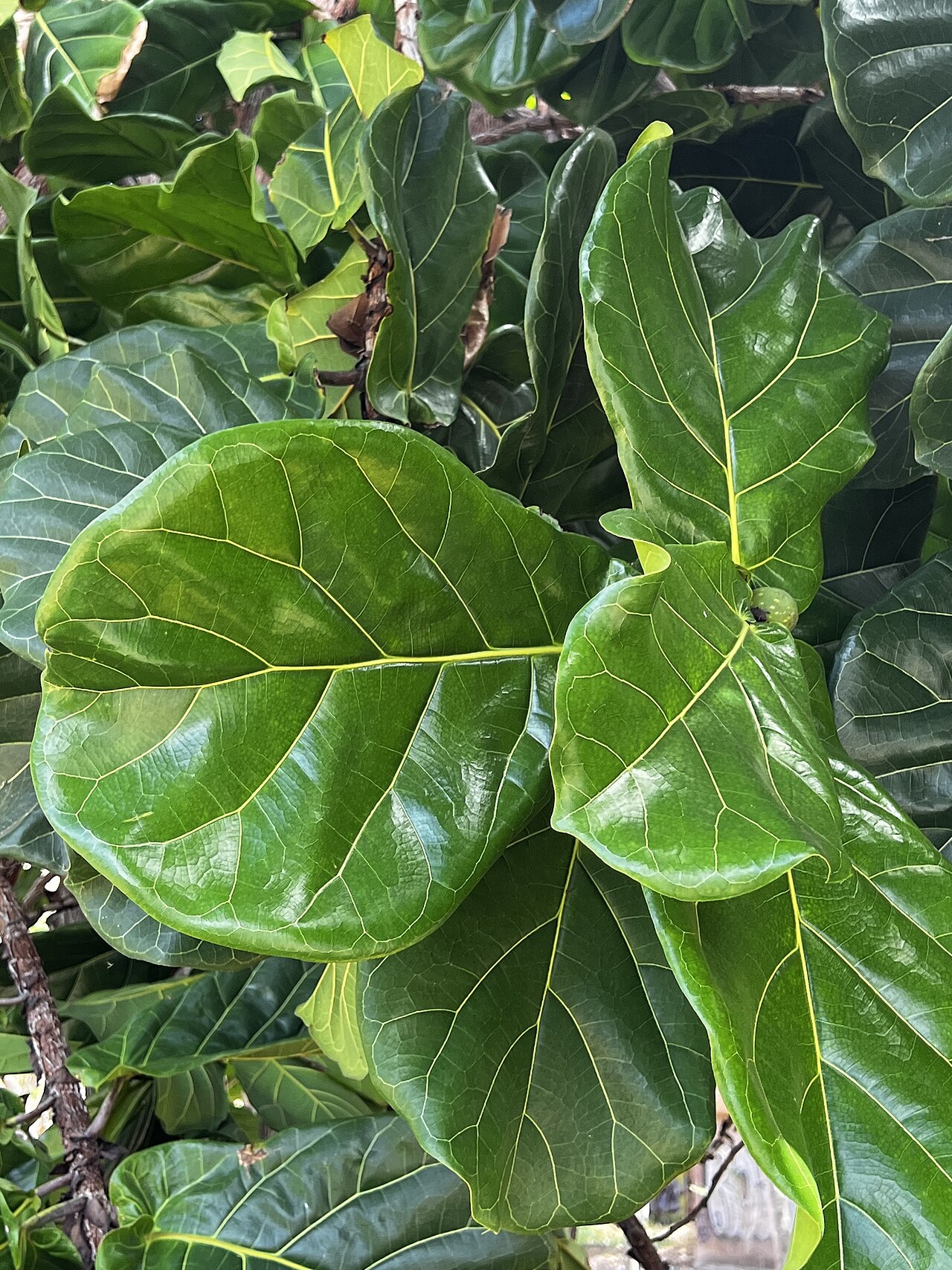
The Fiddle Leaf Fig: A Reputation for Drama
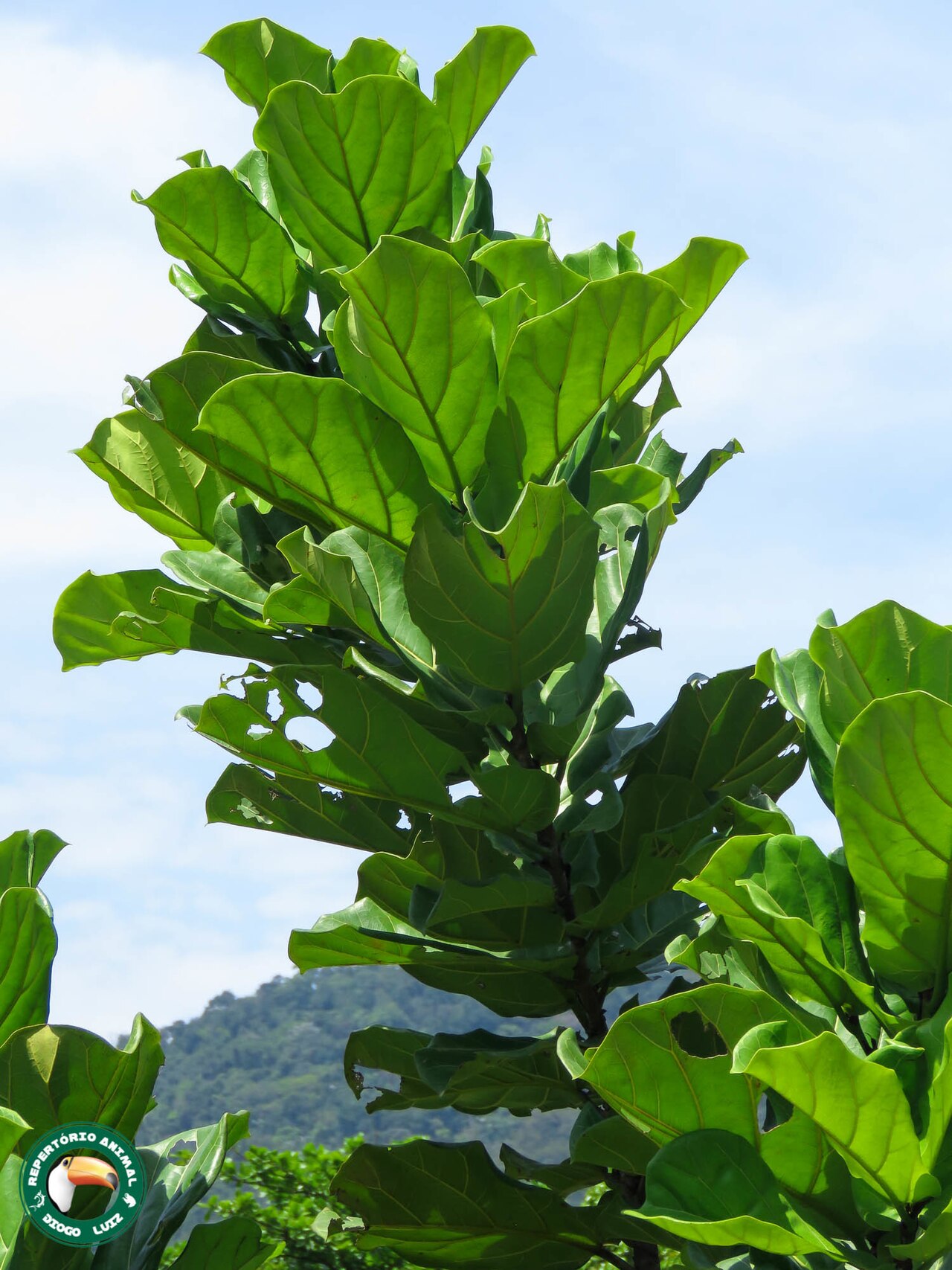
The fiddle leaf fig (Ficus lyrata) is simultaneously one of the most coveted and most feared houseplants in the world. Its enormous, glossy, violin-shaped leaves can transform a room into something that belongs in an interior design magazine, and for this reason it has become a staple of styled interiors from boutique hotels to Instagram influencers’ living rooms. But fiddle leaf figs have also earned a reputation for being difficult, prone to dropping leaves at the slightest disturbance and declining inexplicably despite attentive care.
The truth is that Ficus lyrata is not inherently a difficult plant. What it demands is consistency. It dislikes change, and many of the problems that people experience with fiddle leaf figs stem from the plant reacting to a shift in its environment: a move to a new spot, a change in watering routine, a seasonal shift in light, or exposure to a draft. Once you understand what this plant needs and, just as importantly, what it does not tolerate, keeping a fiddle leaf fig healthy and beautiful is entirely achievable.
This guide walks through every aspect of fiddle leaf fig care, with particular attention to the common leaf problems that most frequently frustrate owners.
Light: The Single Most Important Factor
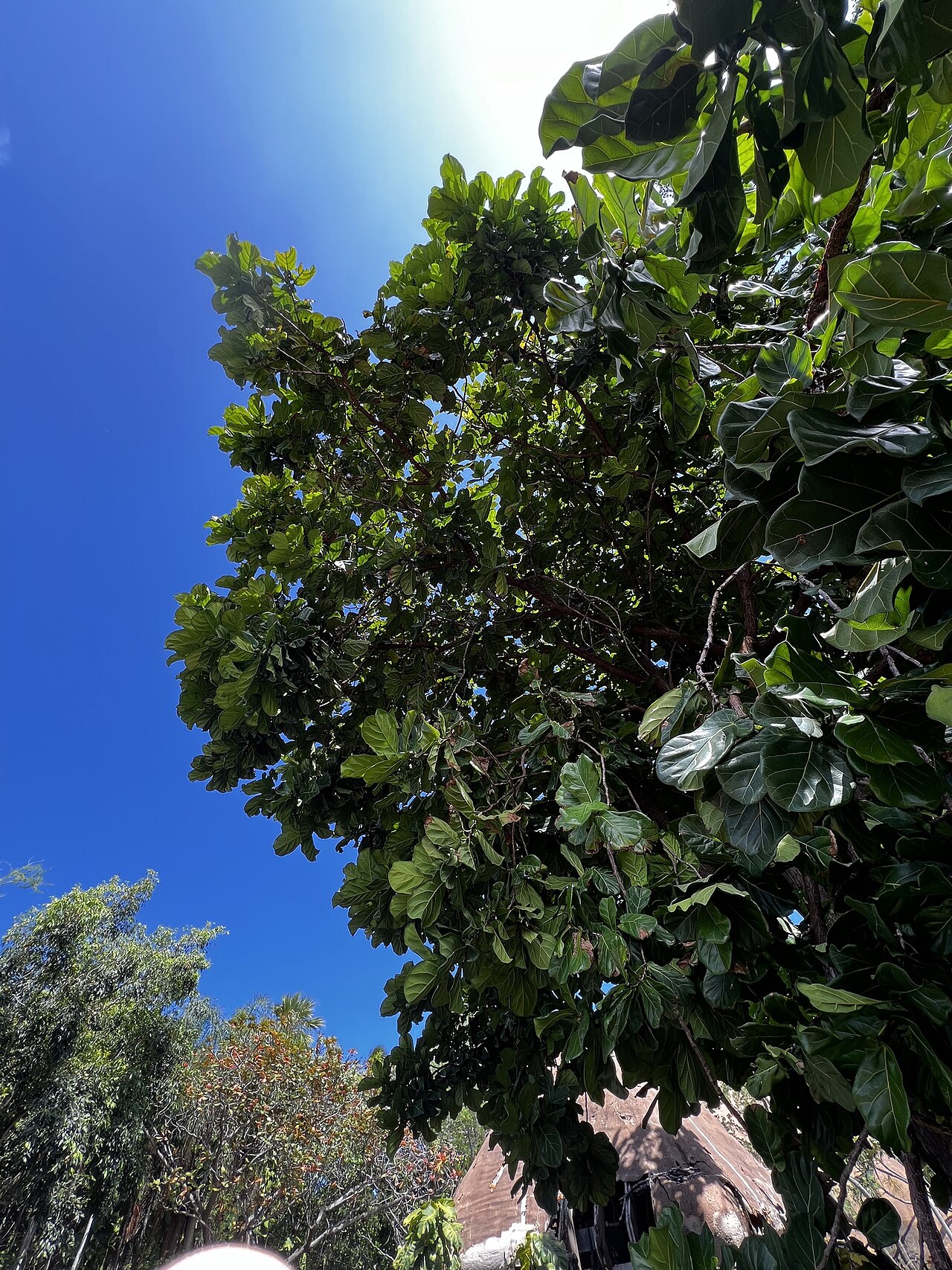
Ficus lyrata is native to the tropical rainforests of western Africa, where it grows in bright, filtered light beneath the canopy. This translates to a simple rule for indoor care: fiddle leaf figs need more light than most people realize. The ideal placement is directly in front of a window that receives several hours of bright, indirect light daily. An east-facing window with morning sun is excellent. A south-facing window is also good, though you may need a sheer curtain to filter the most intense midday rays during summer. A west-facing window can work if the afternoon sun is not too harsh.
One common mistake is placing a fiddle leaf fig several meters into a room, away from any window, because that is where it looks best in the space. A fiddle leaf fig will decline steadily in such a position. If you can look out the window from where the plant sits and see the sky, the light level is likely adequate. If you cannot see the sky from the plant’s position, it is almost certainly too dark.
Insufficient light manifests as slow growth, small new leaves, lower leaf drop, and the plant becoming “leggy” with long gaps between leaves along the stem. If your fiddle leaf fig is not producing new leaves during the growing season (spring and summer), light is the first variable to examine.
Watering: Consistency Over Quantity
Fiddle leaf figs prefer a consistent watering routine. The goal is to keep the soil evenly moist but never soggy, allowing the top few centimeters of soil to dry between waterings. In practice, this usually means watering thoroughly once every 7 to 10 days during the growing season, and every 14 to 21 days during winter when growth slows and evaporation decreases.
The finger test remains the most reliable method: insert your finger into the soil up to the second knuckle. If the soil feels dry, water. If it feels moist, wait. A moisture meter can also be helpful, as fiddle leaf figs in large pots can retain moisture deep in the root ball even when the surface feels dry.
When you water, do it properly. Take the plant to a sink, shower, or outdoors and pour water slowly and evenly across the entire soil surface until water runs freely from the drainage holes. Let the pot drain completely before returning it to its saucer. Water left standing in the saucer will wick back up into the soil and keep the roots wet, which is exactly what leads to root rot.
Inconsistent watering, alternating between bone-dry and soaking-wet conditions, is extremely stressful for fiddle leaf figs and often triggers leaf drop. Establishing a reliable rhythm and sticking to it is more important than the precise interval.
Humidity and Temperature
Fiddle leaf figs are tropical plants that appreciate humidity levels of 50 percent or higher, though they tolerate the 30 to 40 percent humidity typical of most homes surprisingly well if other conditions are optimal. The primary sign of low humidity stress is browning, crispy leaf edges. If you notice this, increase local humidity with a pebble tray, a humidifier, or by grouping several plants together. Misting the leaves is of limited benefit and can promote fungal issues if water droplets sit on the leaves for extended periods. If you mist, do so early in the day so the leaves dry before evening.
Temperature-wise, Ficus lyrata thrives in the 18 to 27 degrees Celsius range (65 to 80 degrees Fahrenheit). It is sensitive to sudden temperature changes and cold drafts. Keep the plant away from air conditioning vents, heating radiators, and drafty doors and windows. Exposure to temperatures below about 13 degrees Celsius (55 degrees Fahrenheit) can cause leaf damage. Cold drafts are one of the most common triggers for sudden leaf drop.
Soil and Repotting
A well-draining potting mix is essential for fiddle leaf figs. A blend of high-quality potting soil with 25 to 30 percent perlite and 10 to 15 percent orchid bark creates a mix that drains freely while retaining sufficient moisture. Dense, heavy potting soils straight from the bag tend to compact and hold too much water, setting the stage for root rot.
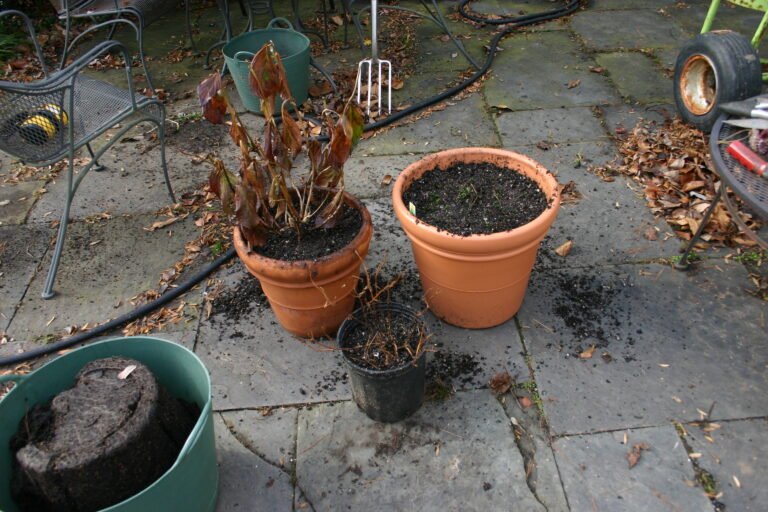
Repot fiddle leaf figs every 1 to 2 years, ideally in spring at the beginning of the growing season. Choose a pot that is only 5 to 8 centimeters (2 to 3 inches) larger in diameter than the current pot. Moving to an oversized pot means the large volume of soil stays wet for too long, which stresses the plant and promotes root rot. The pot must have drainage holes; pots without drainage are non-starters for this species.
When repotting, gently tease out the outer roots if they are circling the root ball. This encourages them to grow outward into the fresh soil rather than continuing to spiral. After repotting, water thoroughly and expect the plant to be somewhat lethargic for a few weeks as it establishes in its new container. Do not fertilize for at least 4 to 6 weeks after repotting.
Fertilizing
Fiddle leaf figs are moderate feeders. During the growing season (spring through late summer), apply a balanced liquid fertilizer diluted to half strength every 2 to 4 weeks. A formula with an NPK ratio around 3-1-2, such as Dyna-Gro Foliage-Pro (9-3-6), supports the production of large, healthy leaves. Alternatively, use a slow-release granular fertilizer like Osmocote applied once in early spring, with a light second application in mid-summer if the plant is actively pushing new growth.
Stop fertilizing in fall and winter when growth slows. Do not fertilize a fiddle leaf fig that is showing signs of stress (leaf drop, browning, yellowing) until the underlying issue is resolved. Fertilizer is not medicine; it will not fix a plant that is struggling due to improper light, water, or environmental conditions.
Cleaning the Leaves
Those large, beautiful leaves are dust magnets, and dusty leaves cannot photosynthesize efficiently. Wipe the leaves with a damp microfiber cloth every 2 to 4 weeks. Support the leaf from underneath with one hand while gently wiping the upper surface with the other. This also gives you an opportunity to inspect the undersides of the leaves for early signs of pests. Do not use commercial leaf shine products, which can clog the stomata. A damp cloth with plain water is all you need. Some growers add a few drops of neem oil to the water for a natural shine that also provides mild pest deterrence.
Shaping and Pruning
In nature, Ficus lyrata grows as a tall, single-stemmed tree. Indoors, most growers prefer a branching form with multiple stems, which creates a fuller, more sculptural appearance. The way to encourage branching is through pruning, a process called notching, or a combination of both.
Pruning for Branching
Cutting the top off the main stem (a process called topping) forces the plant to activate dormant buds lower down the stem, creating branches at those points. This is best done in spring or early summer when the plant is actively growing. Use sharp, clean pruning shears sterilized with rubbing alcohol, and cut the stem at a 45-degree angle about 1 centimeter above a leaf node. The cut will ooze a milky white sap, which is normal latex; avoid getting it on your skin or furniture, as it can be irritating. Within a few weeks, one or more new shoots will emerge from nodes near the cut.
Notching
If you want to encourage branching at a specific point without cutting off the top of the plant, you can use the notching technique. Using a clean, sharp knife, make a small, shallow diagonal cut about one-third of the way through the stem, just above a node. This interrupts the flow of auxin (a plant hormone that suppresses lateral bud growth) and often stimulates the node below the cut to produce a new branch. Notching is less reliable than topping and requires some practice, but it allows you to shape the plant without sacrificing height.
General Maintenance Pruning
Remove any leaves that are more than 50 percent damaged, yellow, or brown by cutting the petiole (leaf stem) close to the main trunk. Removing struggling leaves redirects the plant’s energy to healthy growth. Use clean, sharp tools and make clean cuts.
Common Fiddle Leaf Fig Problems
Brown Spots on Leaves
Brown spots are the most common fiddle leaf fig complaint, and their pattern tells you the cause. Dry, crispy brown spots scattered across the leaf, particularly at the edges, usually indicate under-watering or low humidity. Soft, dark brown spots that appear anywhere on the leaf, sometimes with a yellow halo, are a classic sign of root rot from overwatering. Small, reddish-brown spots (edema) on new leaves are caused by inconsistent watering; the leaf cells burst from taking up water too quickly. Edema spots usually fade as the leaf matures.
Yellow Leaves
Yellowing of the oldest, lowest leaves one at a time is normal aging. Yellowing that affects multiple leaves simultaneously, especially newer growth, points to overwatering, insufficient light, or a nutrient deficiency. Check your watering habits and light levels first before assuming a nutrient problem.
Dropping Leaves
Fiddle leaf figs drop leaves in response to stress. The most common triggers are a sudden change in location or light, exposure to a cold draft, inconsistent watering, and seasonal light reduction in autumn. A plant that drops a few lower leaves when you first bring it home is adjusting and will usually stabilize within a few weeks. A plant that drops leaves rapidly across the whole plant needs immediate attention: check for drafts, verify the light level, and ensure the watering routine is consistent.
Leggy Growth
Long gaps between leaves on the stem indicate insufficient light. The plant is stretching toward the light source. Move it closer to a window or supplement with a grow light. Existing gaps will not fill in, but new growth under better light will be more compact.
Small New Leaves
New leaves that are significantly smaller than older leaves suggest either insufficient light or insufficient nutrients. Address light first; if light is adequate, review your fertilizing routine. A plant receiving good light and adequate nutrients should produce new leaves that are at least as large as the previous ones, and often larger as the plant matures.
Toxicity Warning
Like all Ficus species, fiddle leaf fig contains a milky sap that is mildly toxic and can cause mouth and stomach irritation if ingested. The sap can also irritate skin. Keep the plant out of reach of cats, dogs, and small children, and wash your hands after handling cut stems or leaves.
Recommended Fiddle Leaf Fig Care Products
- Fiddle Leaf Fig Fertilizer: A specialized fiddle leaf fig liquid fertilizer with an NPK ratio tailored for Ficus lyrata takes the guesswork out of feeding.
- Pruning Shears: Quality bypass pruning shears make clean cuts that heal quickly when pruning or shaping your fiddle leaf fig.
- Moisture Meter: A digital soil moisture meter is especially useful for large fiddle leaf figs where the finger test may not reach deep enough into the pot.
- Plant Support Stake: A sturdy plant stake or moss pole supports tall fiddle leaf figs and helps train them to grow straight.
- Leaf Shine Cloth: Microfiber cleaning gloves make it easy to clean both sides of fiddle leaf fig leaves efficiently.