Prickly Pear Cactus (Opuntia): Care and Growing Guide
A Tough, Rewarding Cactus
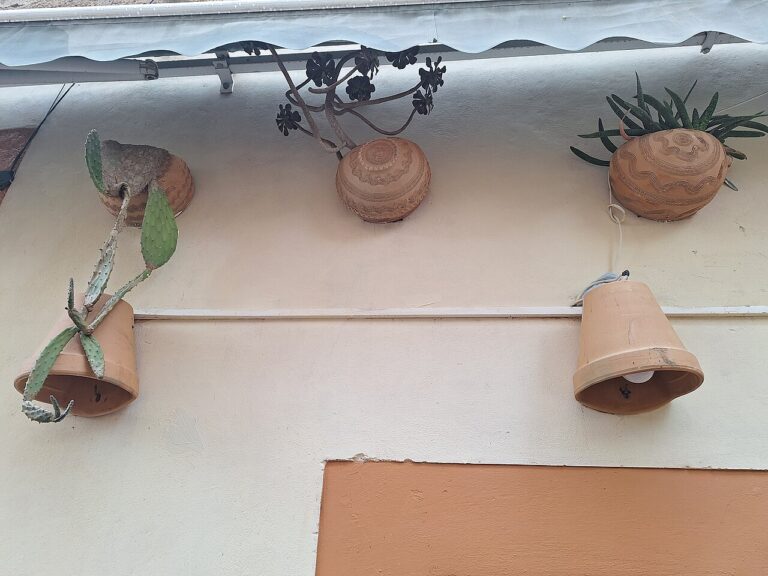
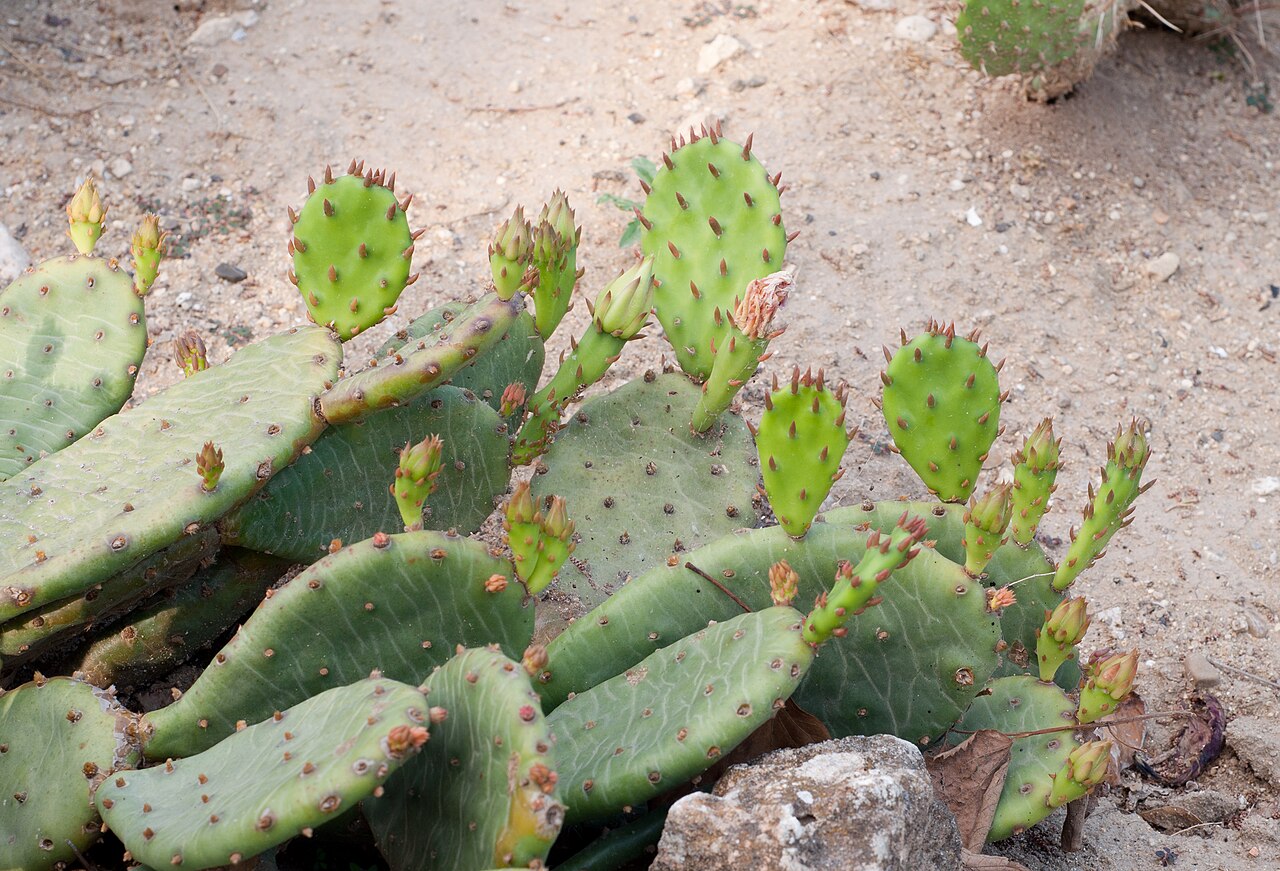
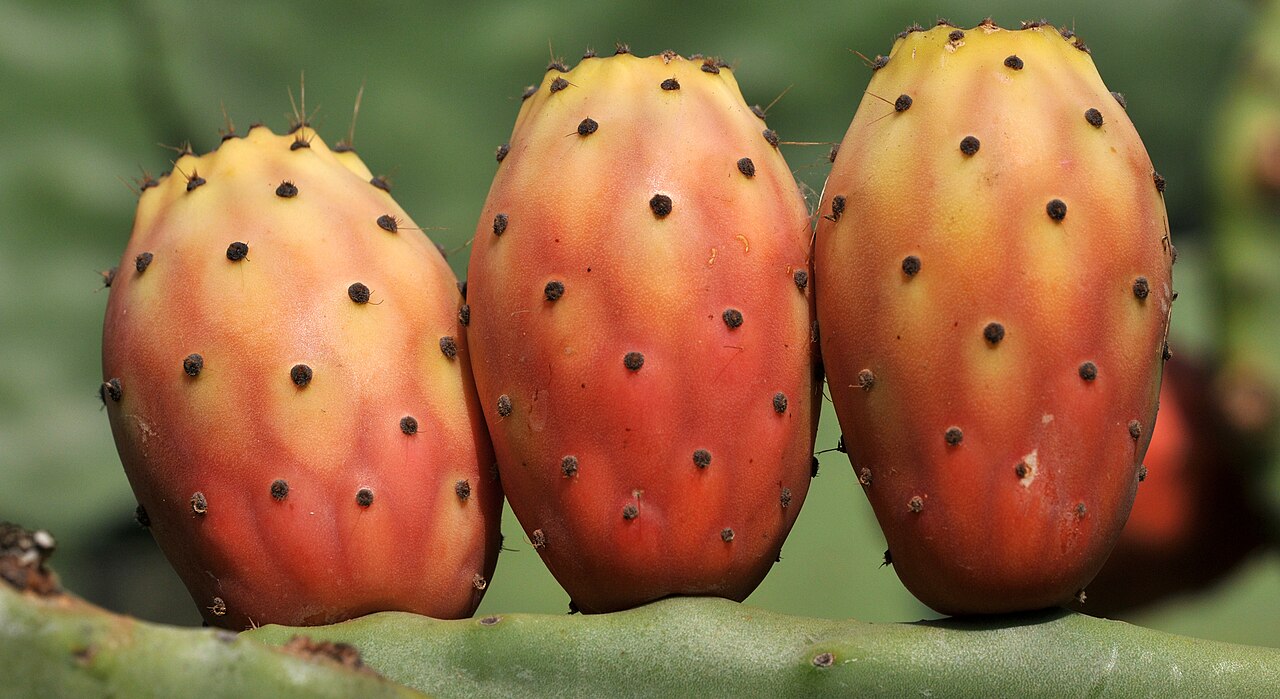
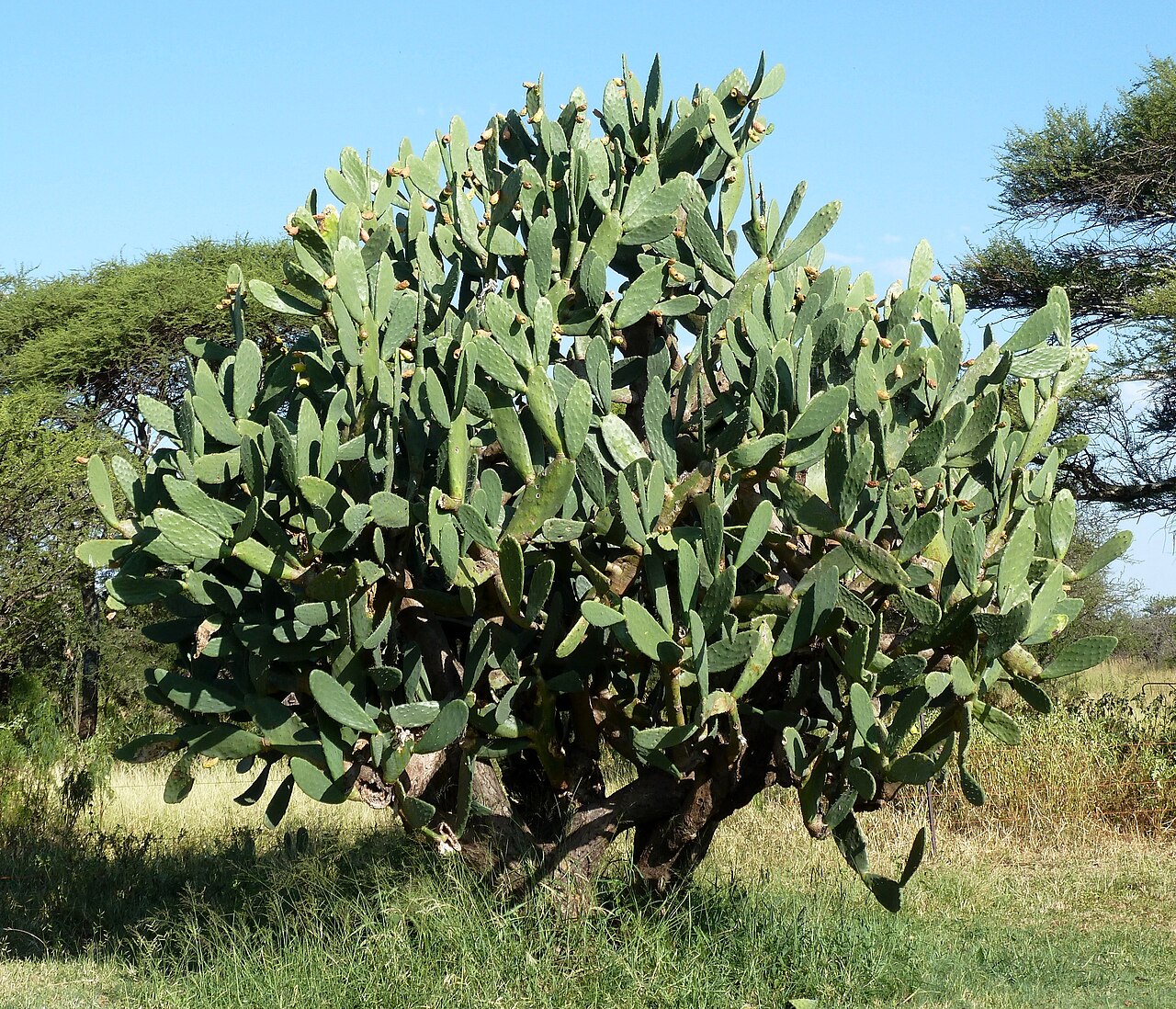
Opuntia, commonly called prickly pear cactus, is a hardy, paddle-shaped succulent native to the Americas. Grown outdoors in warm, dry climates or as a container plant elsewhere, it’s valued for its architectural form, cheerful yellow or orange spring flowers, and in some species, edible fruit (tunas) and pads (nopales).
Light and Temperature
Opuntia needs full sun — at least 6 hours of direct light daily — to stay compact and flower well. Indoors, a south-facing window is essential; without enough light, pads become pale and etiolated. Most species tolerate light frost once established, though some are hardy well below freezing, while others need winter protection indoors.
Watering and Soil
- Soil: Use a fast-draining cactus mix, ideally amended with extra pumice or coarse sand.
- Watering: Water deeply but infrequently during the growing season, letting the soil dry out completely between waterings. Cut back drastically in winter — many rot problems come from overwatering during dormancy.
- Pot: Always use a container with drainage holes; waterlogged roots are the most common cause of failure.
Handling and Propagation
Even “spineless” varieties have tiny hair-like glochids that irritate skin, so handle pads with thick gloves or folded newspaper. Opuntia propagates easily from a single pad: let a cut pad callus over for a few days to a week, then set it upright in dry cactus soil. Roots typically form within a few weeks without any watering until then.
Common Problems
- Wrinkled, deflated pads: Usually underwatering, though check roots for rot too if watering has been regular.
- Black or mushy spots: A sign of rot from overwatering or poor drainage — remove affected pads immediately.
- Cochineal insects: White, cottony clusters on pads; treat with a strong water spray or insecticidal soap.
This article may contain affiliate links. If you purchase a product through one of these links, Plantgecko may earn a commission at no extra cost to you. This never influences our editorial independence or which products we recommend.