Biological Pest Control: Beneficial Insects, Neem Oil, and Home Remedies Against Pests
Chemical pesticides are effective, but often the wrong choice for indoor use. They pollute indoor air, are dangerous for children and pets, and also kill beneficial insects. Biological alternatives are at least as effective, while being safe and sustainable. Here are the best biological methods against houseplant pests.
Beneficial Insects: Nature’s Own Enemies
The most elegant and natural method of pest control is using beneficial insects — tiny predatory insects and mites that specifically hunt certain pests.
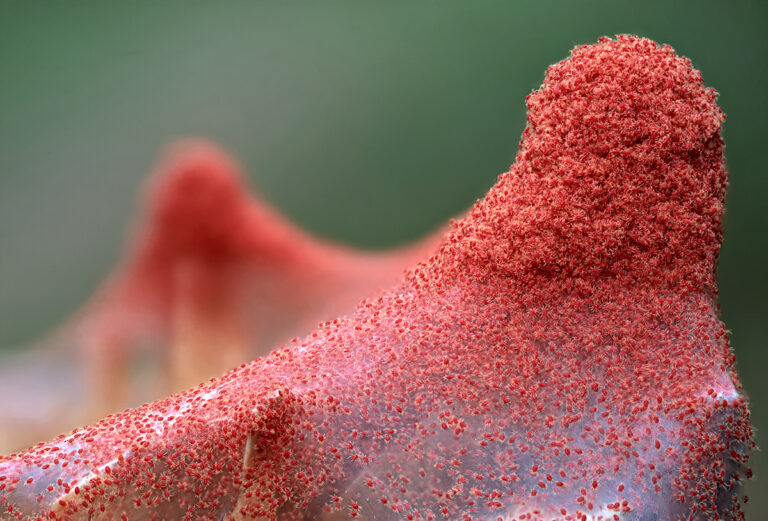
Against spider mites, predatory mites of the species Phytoseiulus persimilis help. They specialize in spider mites and can devour up to five adult mites per day. These tiny beneficial insects, about 0.5 millimeters in size, arrive as a granular mix by mail and are applied directly to affected plants. Within a few days, the spider mite infestation is history.
Against thrips, use predatory mites of the species Amblyseius cucumeris. They eat thrips eggs and young larvae, interrupting the breeding cycle.
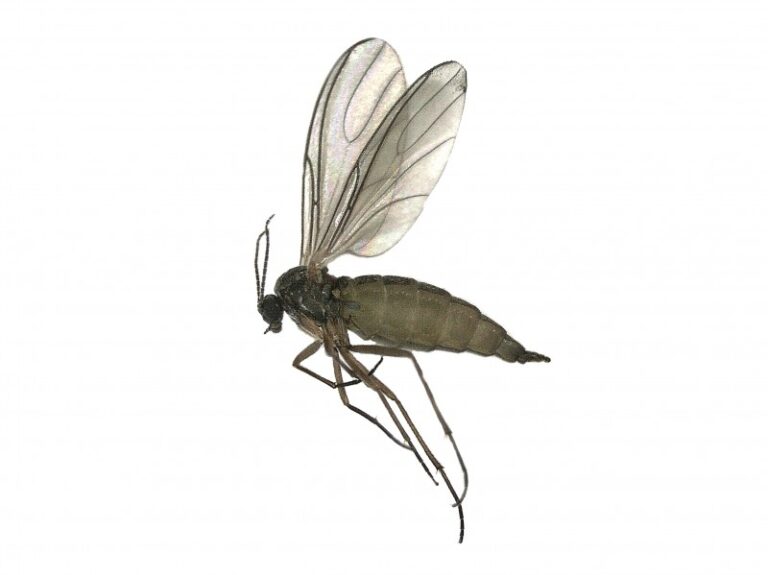
Against fungus gnat larvae, beneficial nematodes (Steinernema feltiae) help. These tiny roundworms are applied with the watering water and actively seek out fungus gnat larvae in the substrate. They penetrate the larvae and kill them within a few days.
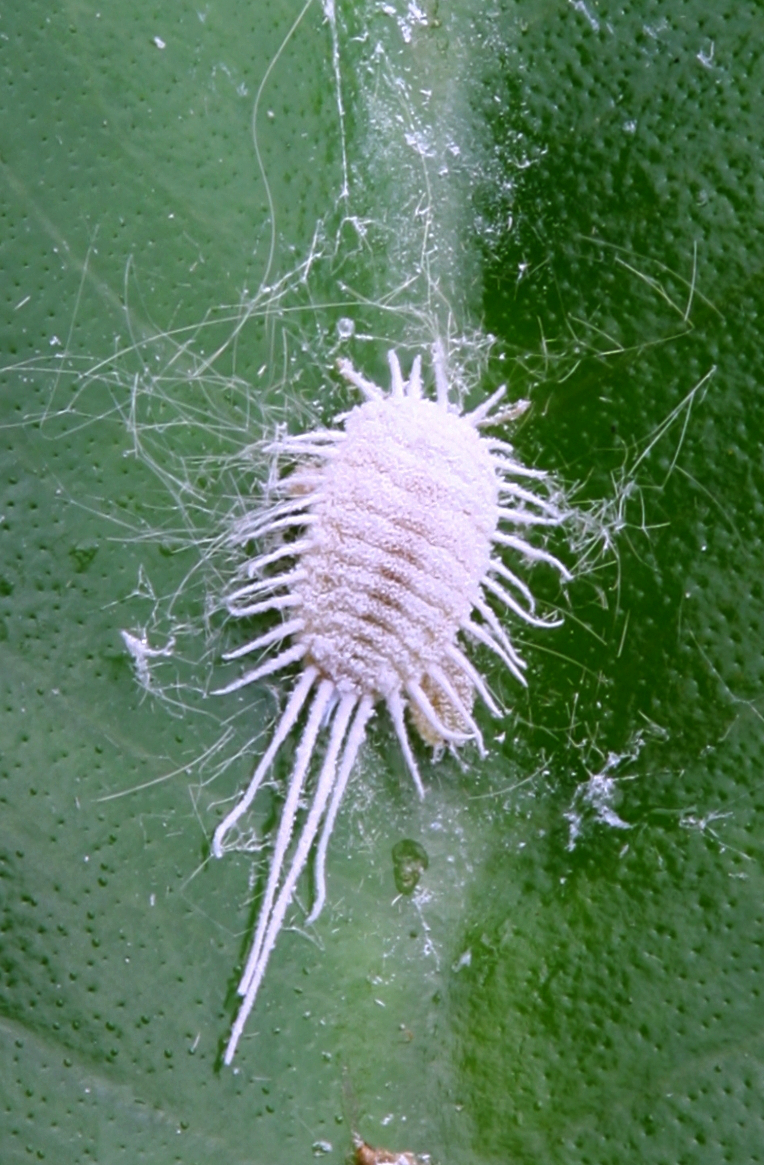
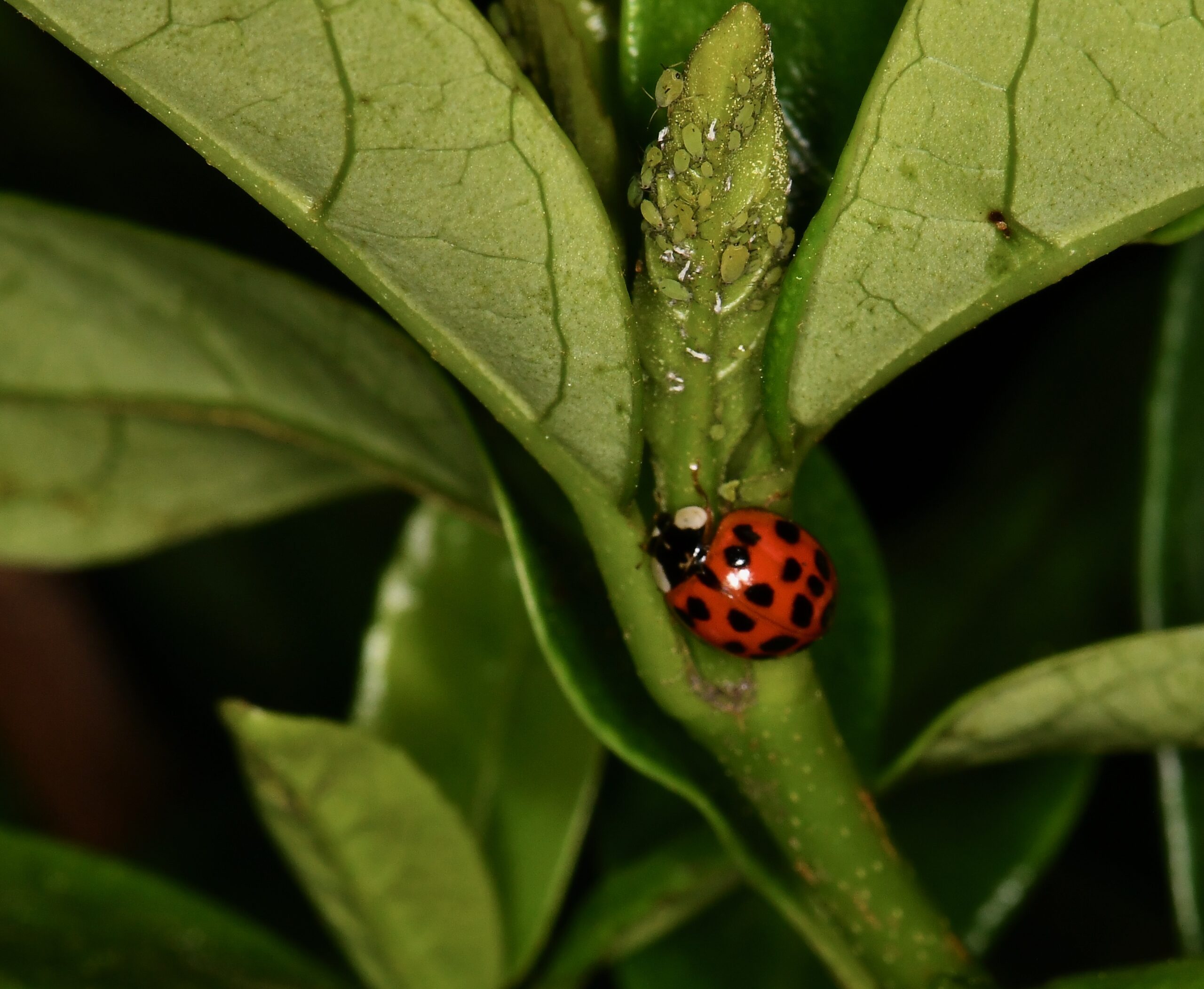
Against mealybugs and scale insects, the mealybug destroyer (Cryptolaemus montrouzieri) helps — its larvae look like small mealybugs themselves, hence the nickname “mealybug lion.” It devours mealybugs and scale insects at all life stages.
The advantage of beneficial insects is that they’re highly specific and only attack the target pest. Humans, pets, and plants are completely safe. The downside is that they need certain environmental conditions — usually a minimum temperature of 16 to 18 degrees Celsius and a certain level of humidity. In heated rooms during winter, they don’t always work optimally.
Neem Oil: The All-Rounder From the Neem Tree
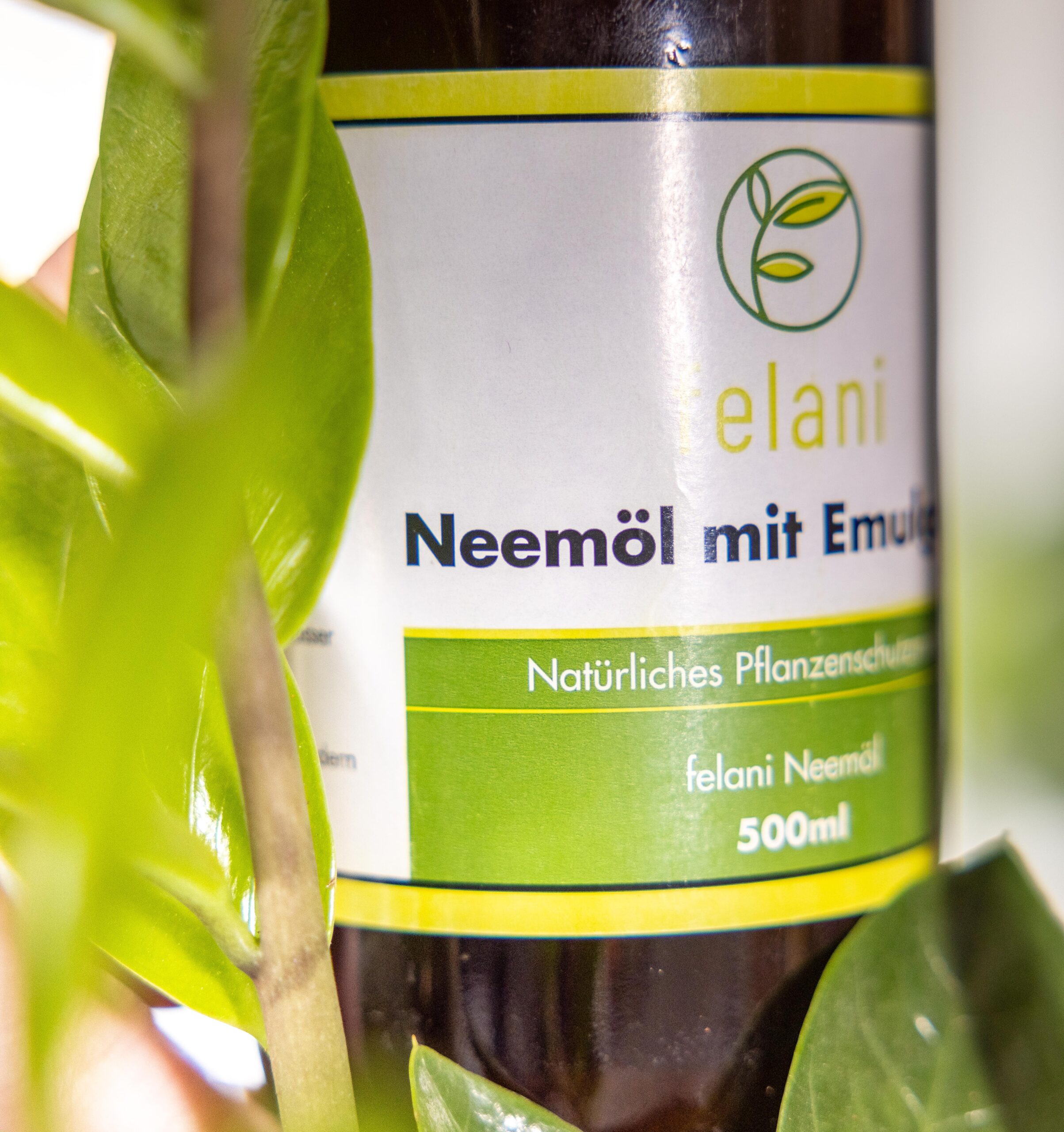
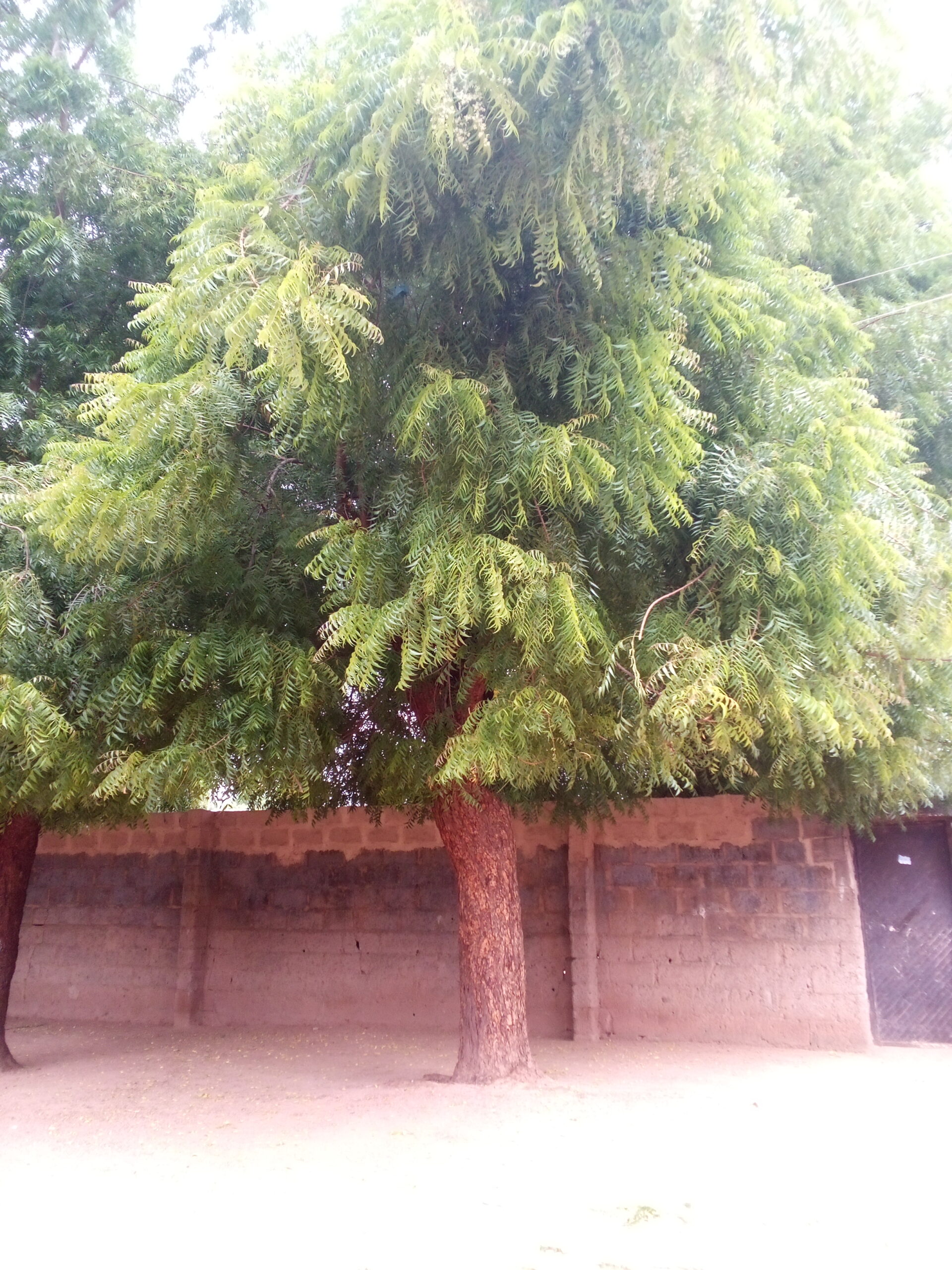
Neem oil is the most versatile biological pesticide. It’s extracted from the seeds of the Indian neem tree and contains the active ingredient azadirachtin, which works in several ways: it disrupts the molting of insect larvae, inhibits egg-laying, and acts as a feeding deterrent.
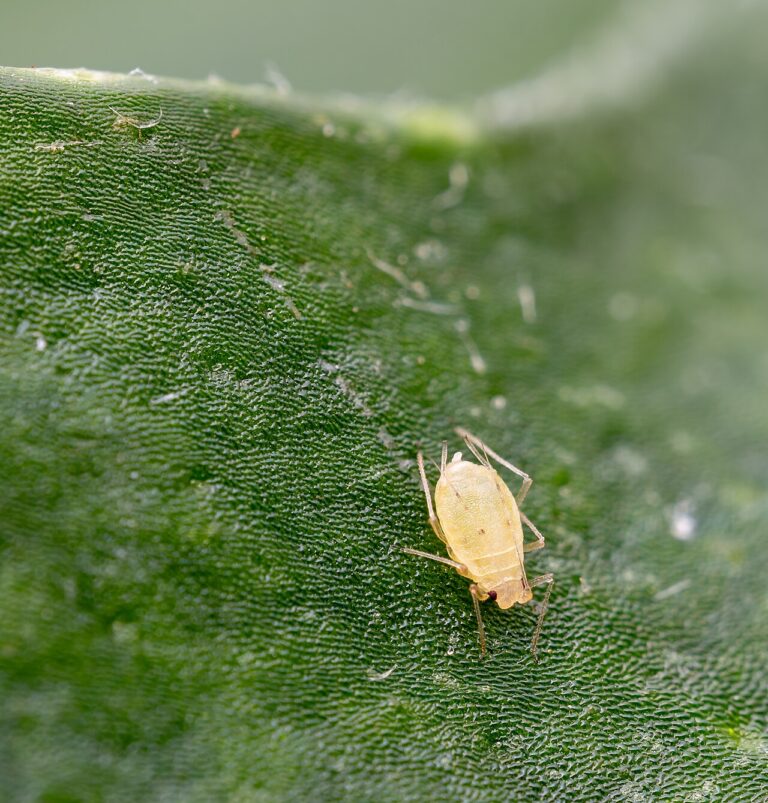
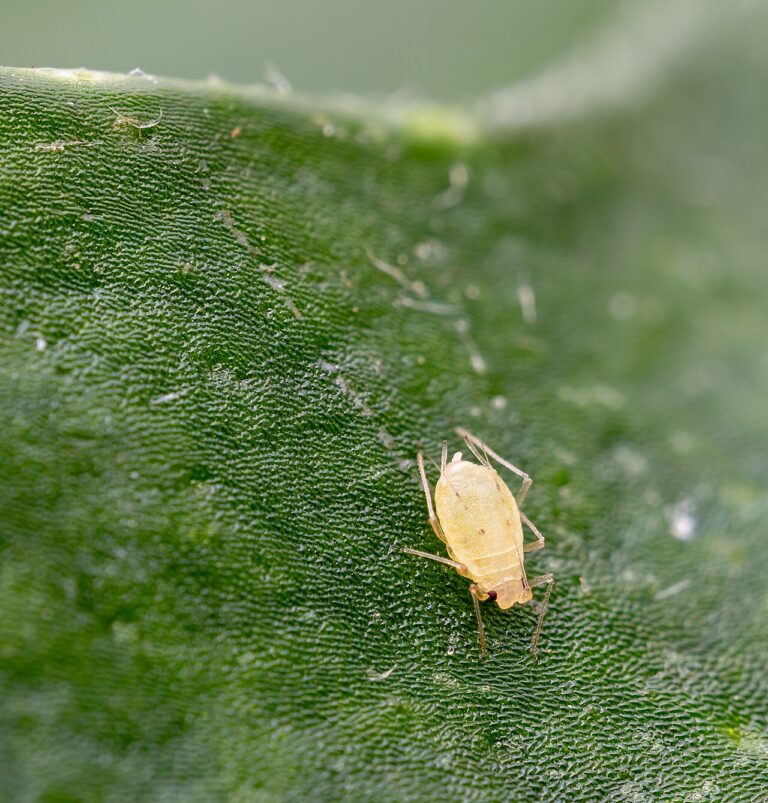
Neem oil is effective against spider mites, aphids, thrips, whiteflies, mealybugs, and many caterpillars. It’s not harmful to bees, since bees don’t ingest neem oil.
To apply as a spray: mix five milliliters of neem oil with a splash of dish soap as an emulsifier in one liter of lukewarm water. Shake thoroughly and spray the plant from all sides, especially the undersides of the leaves. Repeat the treatment after one week.
Important: don’t apply neem oil in direct, strong sunlight — the oil droplets act like tiny magnifying glasses and can cause leaf burn. It’s best to spray in the evening.
Soft Soap Solution: Time-Tested and Effective
Soft soap is one of the oldest pesticides around. The potassium soap dissolves the waxy coating of insects’ exoskeletons and causes them to dry out, while also clogging their breathing pores.
To apply: dissolve 15 to 20 milliliters of pure soft soap (not perfumed shower gel or dish soap with additives) in one liter of water. For stubborn pests like mealybugs, add a splash of rubbing alcohol, which further attacks the waxy coating.
Soft soap solution works against aphids, spider mites, thrips, and young stages of scale insects and mealybugs. It leaves no toxic residue and is safe for people and pets.
Garlic and Onion Extract: Pest Control From the Kitchen
Garlic contains sulfur compounds that deter many insects. A homemade garlic extract is a simple and effective preventive and control measure.
Recipe: crush three to four garlic cloves and pour one liter of boiling water over them. Once cooled, strain and spray undiluted onto the plants. The smell fades quickly, but the effect lasts several days.
The extract works especially well against aphids and can also be used preventively. With repeated application every three to four days, even stubborn aphid colonies can be reduced.
Diatomaceous Earth: Mechanical Pest Control
Diatomaceous earth is a fine powder made from fossilized diatoms. Under a microscope, it has razor-sharp edges that damage the waxy coating of insect exoskeletons, causing the insects to dry out and die.
Diatomaceous earth is sprinkled as a fine powder on the soil or dusted directly onto the plants. It works purely mechanically, so pests can’t develop resistance to it.
It’s especially effective against crawling pests like ants, silverfish, and the larval stages of fungus gnats before they can fly. It’s less suitable for flying insects and spider mites.
Isolation and Quarantine
Sometimes the simplest biological method is the best: isolate the affected plant. Move it to a separate room, or at least far away from other plants. Many pests, such as mealybugs, spider mites, and thrips, actively migrate to neighboring plants.
While you’re at it, thoroughly check all your other plants too. An early, isolated infestation can often be dealt with by simply wiping or rinsing off the pests.
Conclusion
Biological pest control isn’t a last resort, it’s the first choice for responsible plant lovers. Beneficial insects, neem oil, and soft soap are highly effective, safe, and sustainable. Chemical treatments should really be the very last option, and ideally not used indoors at all.