Repotting Made Easy: When, How, and in Which Soil?
Signs Your Plant Needs Repotting
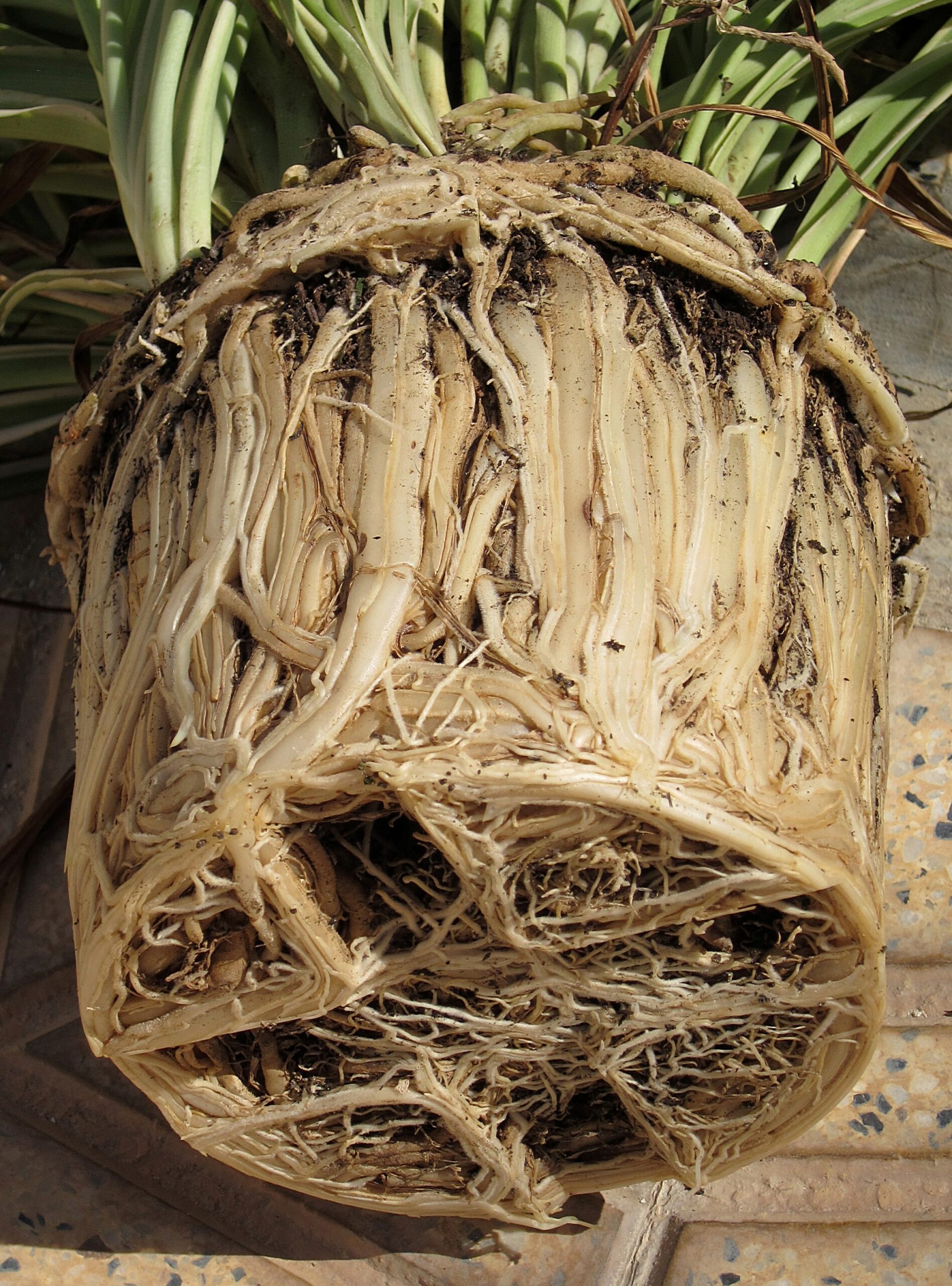
Most houseplants benefit from repotting every one to two years, but the exact timing depends on the plant’s growth rate rather than the calendar. Look for roots circling the surface of the soil or growing out of the drainage holes, water running straight through the pot without being absorbed, a plant that dries out unusually fast, or one that has become top-heavy and tips over easily. Slowed growth despite the growing season, and soil that looks compacted or has stopped absorbing water evenly, are also strong signals.
The best time to repot most plants is in spring, at the start of active growth, when roots recover quickly from any disturbance. Avoid repotting during dormancy in winter, or right after a plant has flowered, when it can least afford the stress.
Choosing the Right Pot
Size up gradually rather than jumping several sizes at once. A new pot 2–4 cm larger in diameter than the old one is usually enough; an oversized pot holds excess moisture around the roots and increases the risk of root rot. Always make sure the new pot has drainage holes, and add a layer of coarse material such as broken pottery shards or gravel at the bottom only if the pot is unusually deep, to prevent water pooling.
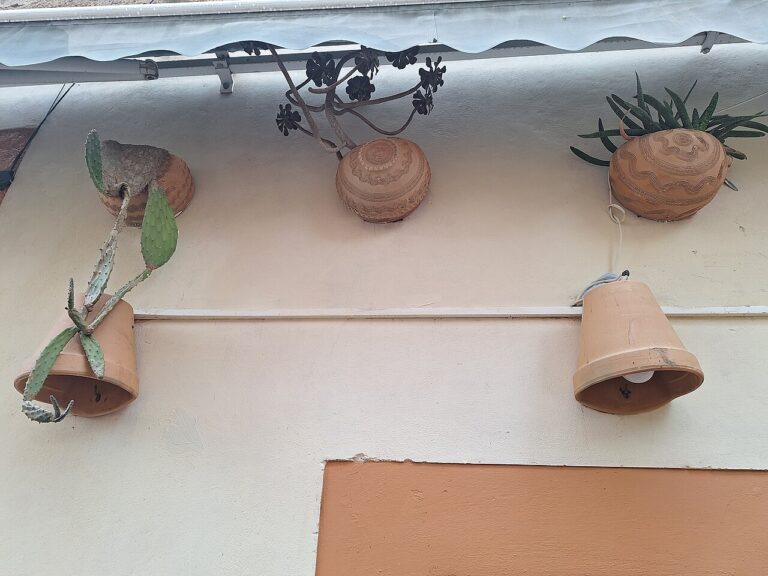
Terracotta pots are porous and let excess moisture evaporate, which suits plants prone to overwatering, such as succulents. Glazed ceramic or plastic pots retain moisture longer, which benefits moisture-loving foliage plants like ferns and calatheas.
Choosing the Right Soil
Not every plant wants the same growing medium, and using the wrong one is a common cause of poor growth. A few general guidelines:
- General houseplants: a peat-free multipurpose or houseplant potting mix with good structure and moderate water retention.
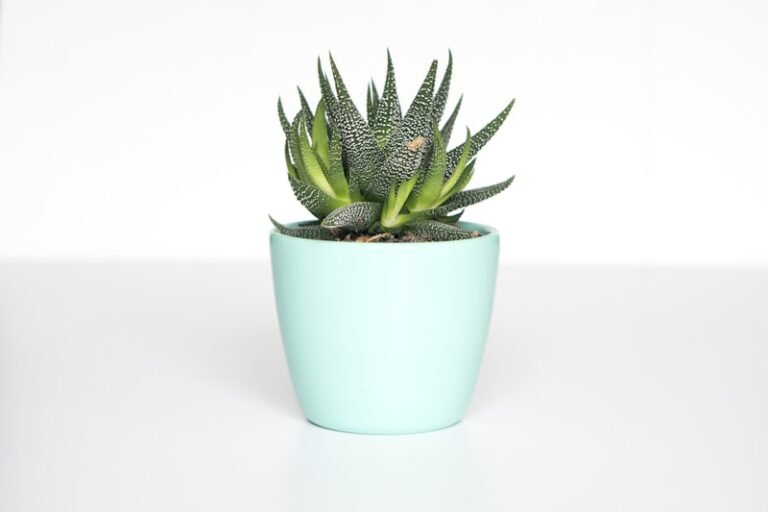
- Succulents and cacti: a fast-draining mix with added coarse sand, perlite, or pumice — roughly one-third mineral grit to two-thirds potting soil.
- Orchids: a chunky bark-based mix rather than regular potting soil, since orchid roots need airflow around them.
- Ferns and moisture-loving plants: a mix enriched with extra organic matter, such as coconut coir, that holds moisture without becoming waterlogged.
How to Repot Step by Step
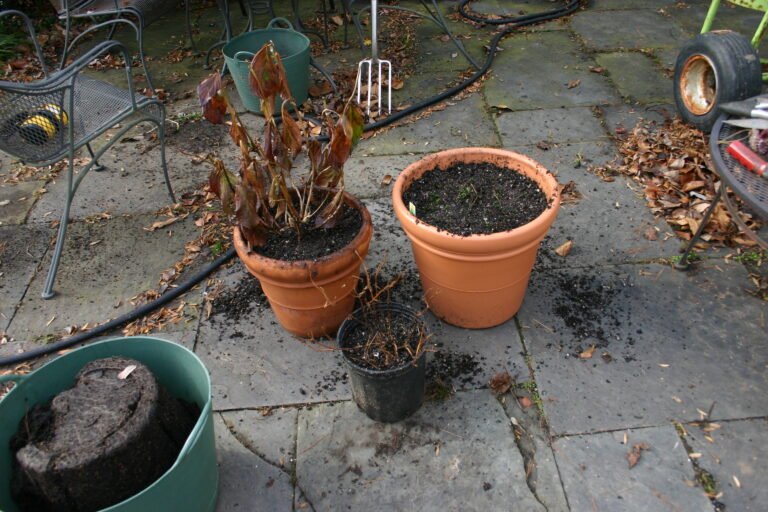
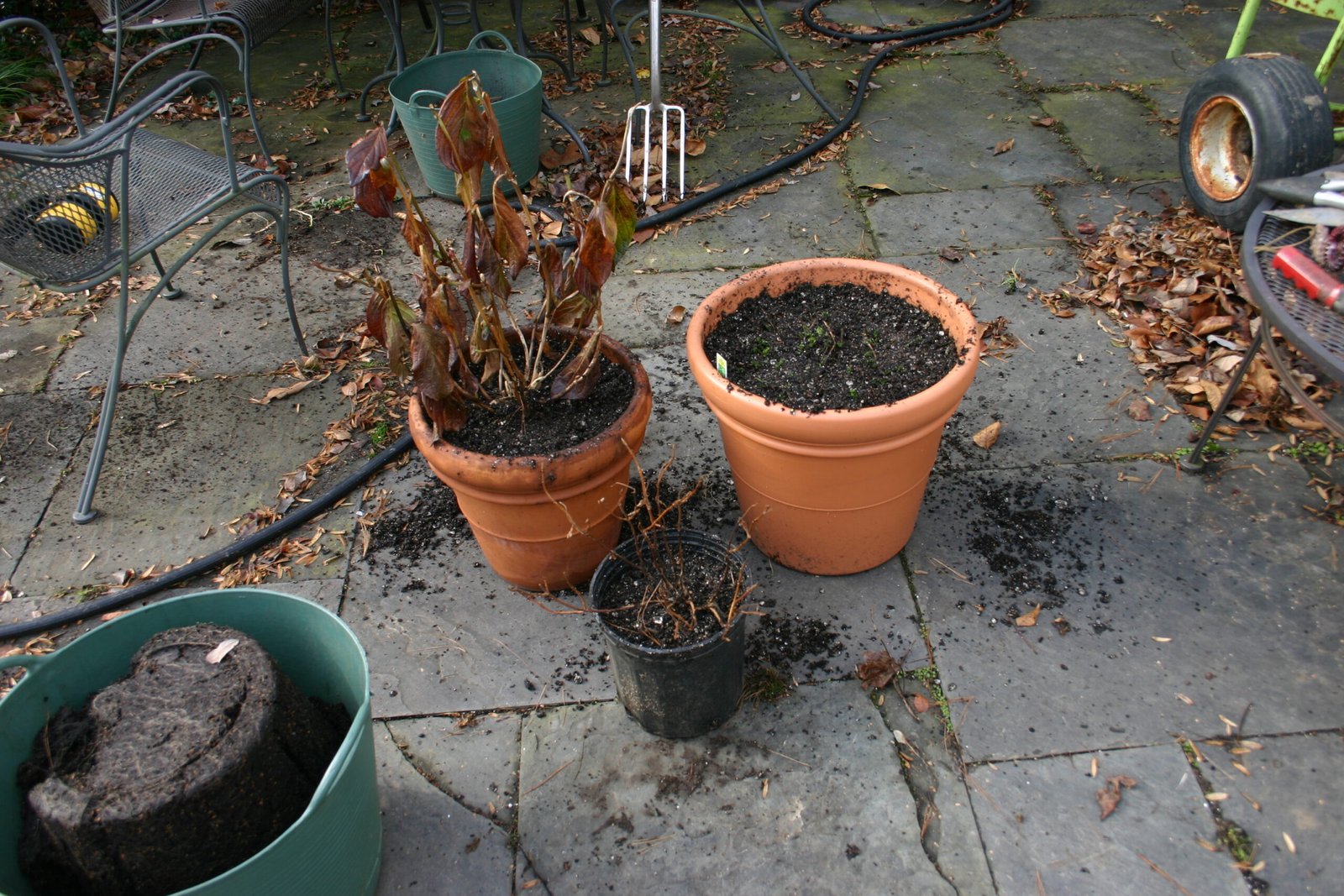
Water the plant a day beforehand so the root ball is easier to remove intact. Gently ease the plant from its old pot, loosening any tightly circled roots with your fingers and trimming away any that are mushy, dark, or clearly rotten. Place a layer of fresh soil in the new pot, position the plant so its base sits at the same depth as before, then fill in around the sides with soil, firming gently to remove large air pockets. Water thoroughly after repotting and keep the plant out of direct, harsh sunlight for a week or two while it settles in.