Hydrangea Planting and Care – The Complete Hydrangea Guide
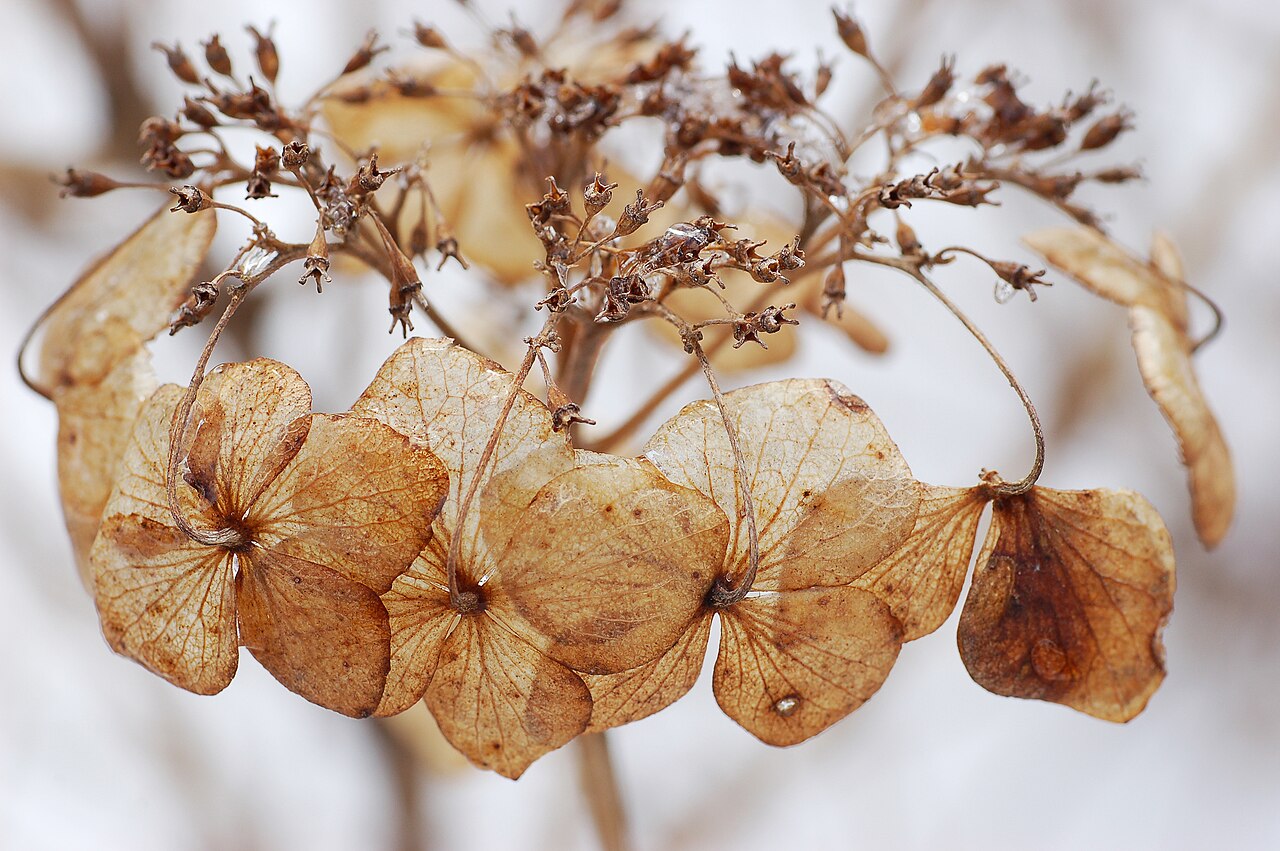
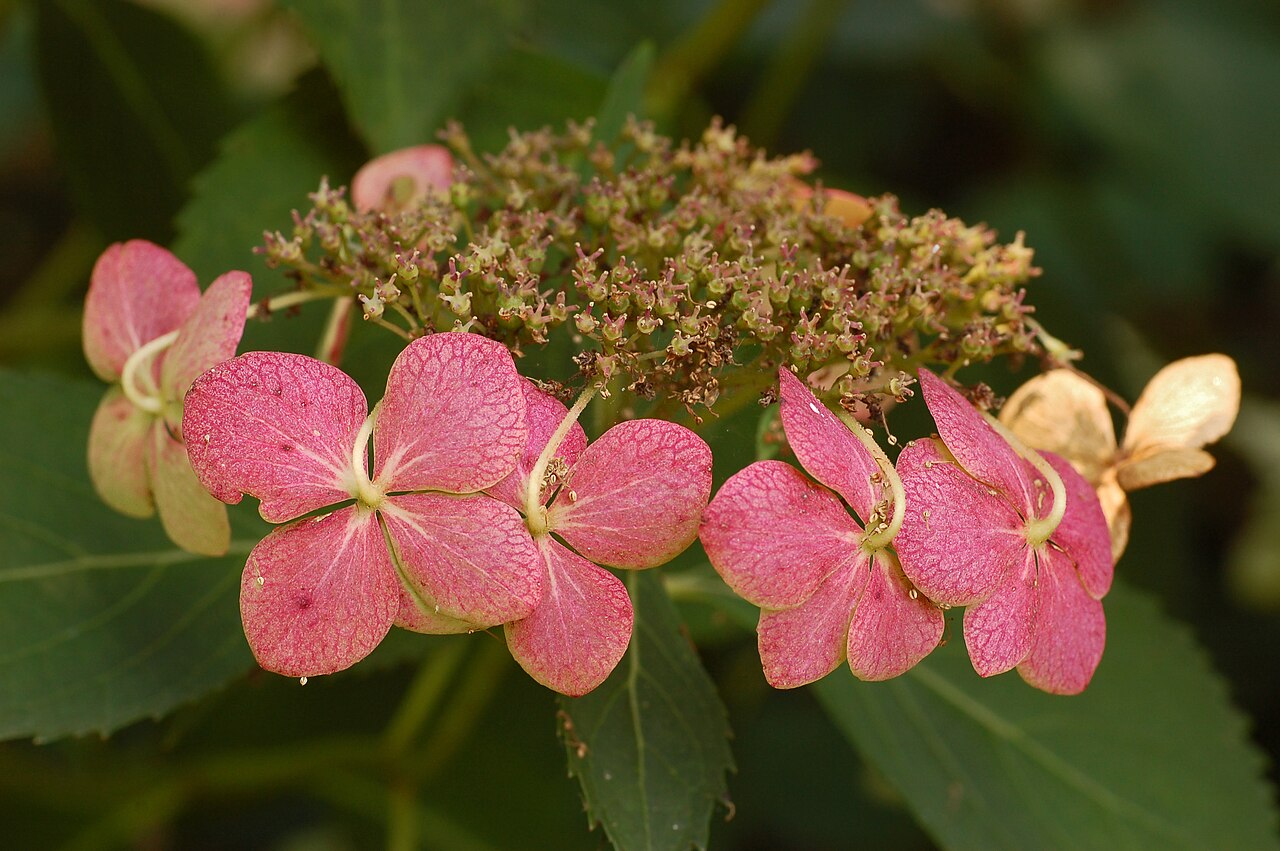
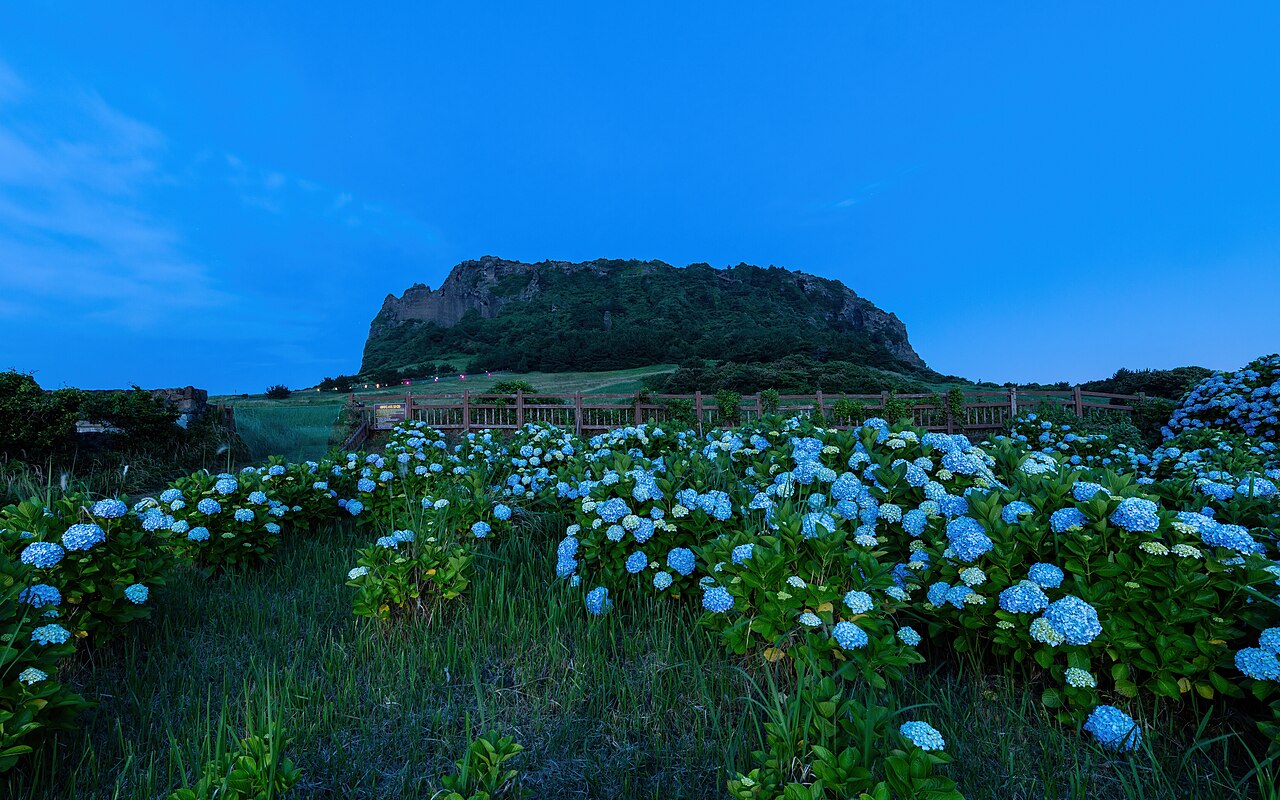
Hydrangeas (Hydrangea) are the undisputed queens of the summer garden. With their lush, mophead or lacecap flower clusters in white, pink, blue, purple, or green, they draw every eye. Whether grown as a striking specimen shrub, a romantic hedge, or an elegant container plant, hydrangeas are incredibly versatile.
The Most Popular Hydrangea Varieties
| Type | Height | Bloom Time | Notable Feature |
|---|---|---|---|
| Bigleaf hydrangea (H. macrophylla) | 1-2 m | June-October | Classic mophead blooms, blue/pink |
| Panicle hydrangea (H. paniculata) | 2-3 m | July-October | Cone-shaped panicles, very hardy |
| Smooth hydrangea (H. arborescens) | 1-1.5 m | July-September | Huge white flower balls |
| Climbing hydrangea (H. petiolaris) | up to 15 m | June-July | Self-clinging, for shady walls |
The Perfect Location
Hydrangeas prefer a partially shaded spot, ideally with morning sun and afternoon shade. The soil should be humus-rich, deep, and consistently moist without becoming waterlogged. For many bigleaf hydrangeas, soil pH determines flower color: in acidic soil (pH below 5.5) they bloom blue, while in alkaline soil (pH above 6.5) they bloom pink. Specialized hydrangea fertilizers can be used to influence the color deliberately.
Planting and Care
Plant hydrangeas in spring, spacing them at least 1 to 1.5 meters apart. The planting hole should be twice as deep and wide as the root ball. Work in plenty of compost or rhododendron soil. Water thoroughly after planting and mulch the root zone.
Hydrangeas are true water-lovers — the name Hydrangea literally means “water vessel.” Water regularly and deeply, especially on hot summer days, ideally with lime-free rainwater. Fertilize in spring and again after flowering with a specialized hydrangea fertilizer.
Proper Pruning
Pruning depends on the type: bigleaf and climbing hydrangeas set their flower buds the previous year and should only be pruned lightly — remove just spent flowers and any frost-damaged shoots. Panicle and smooth hydrangeas bloom on new wood and can be cut back hard in spring.


This article may contain affiliate links. If you purchase a product through one of these links, Plantgecko may earn a commission at no extra cost to you. This never influences our editorial independence or which products we recommend.