Orchid Care: The Ultimate Guide to Beautiful Blooms
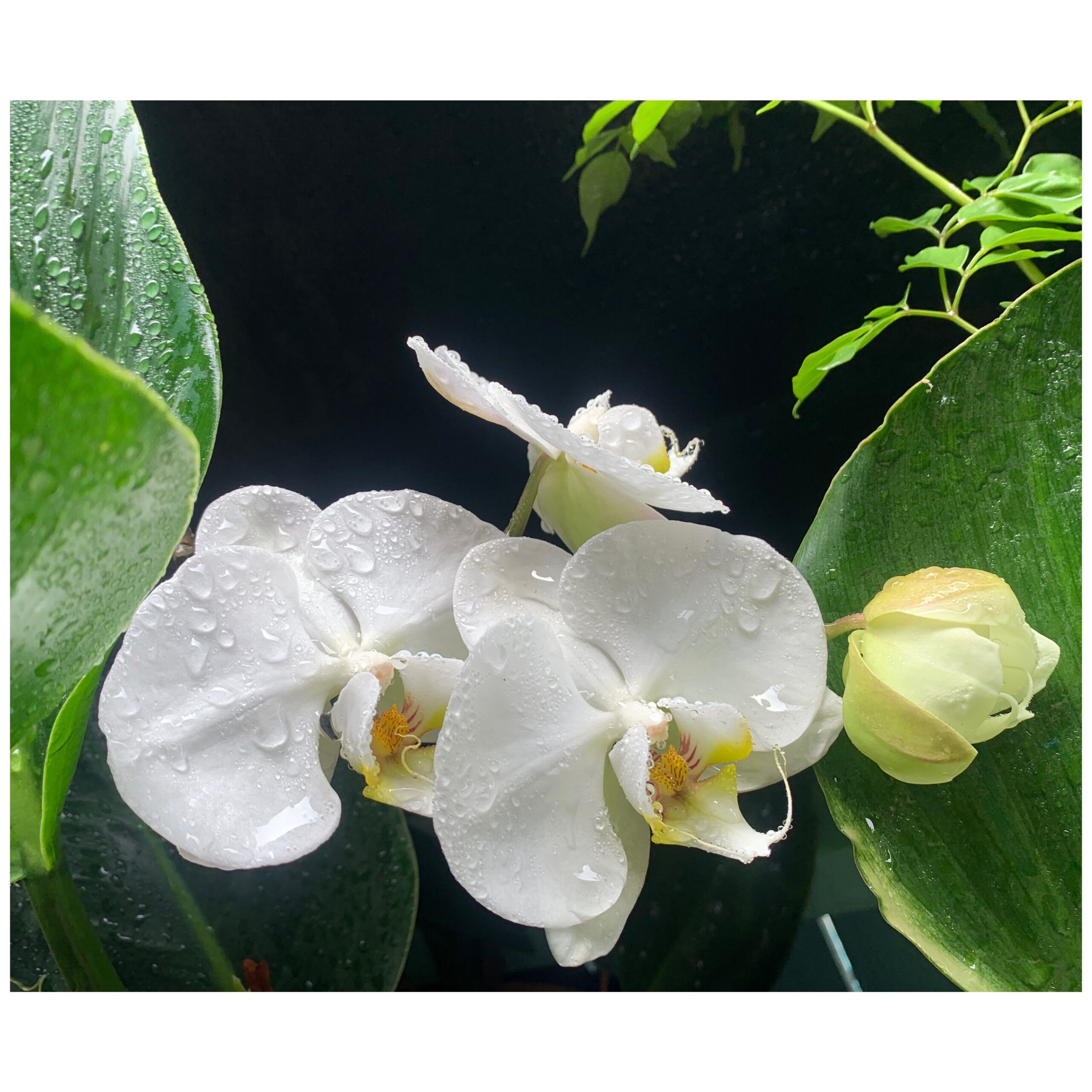
Orchids: Elegance for Your Home
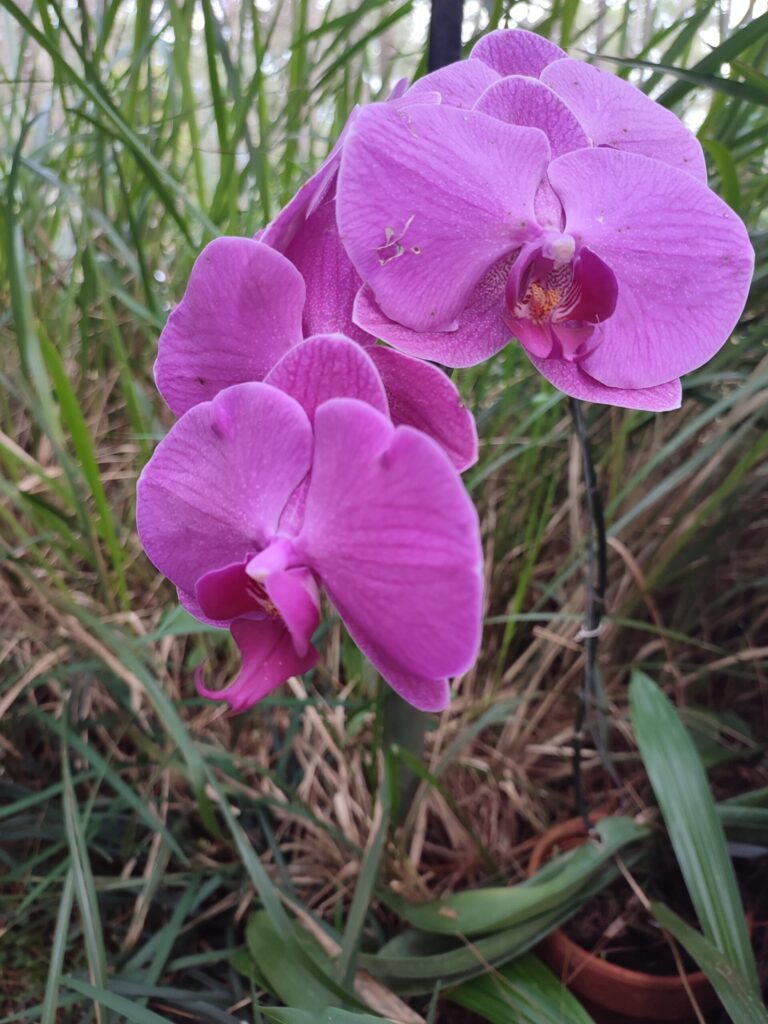
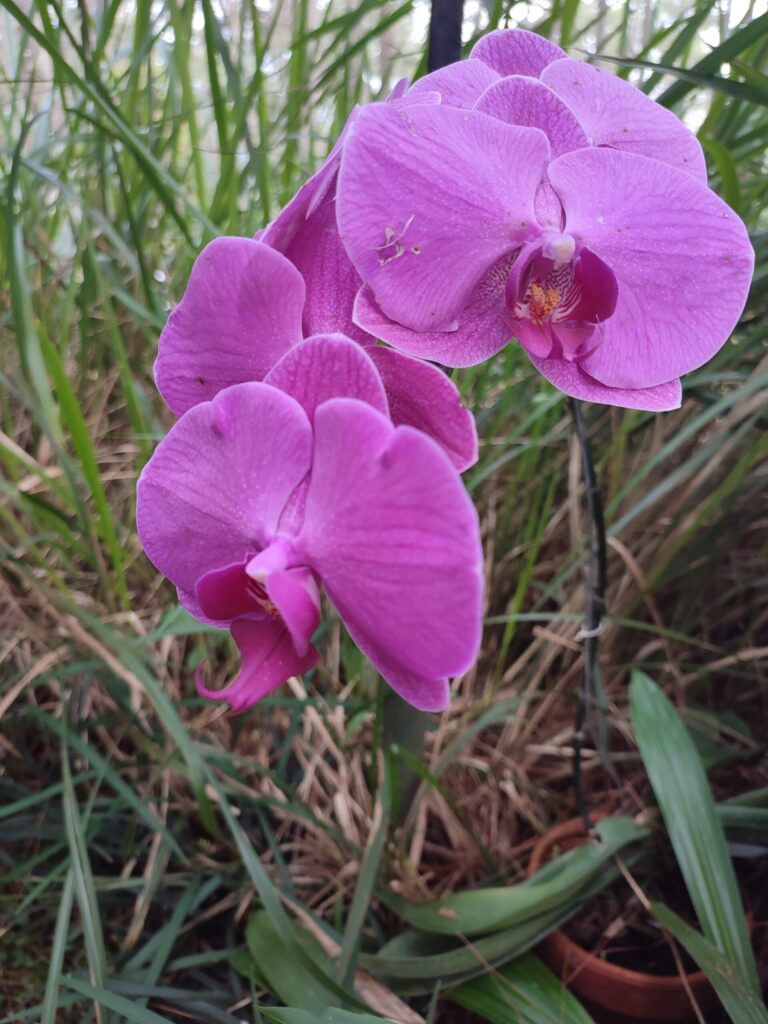
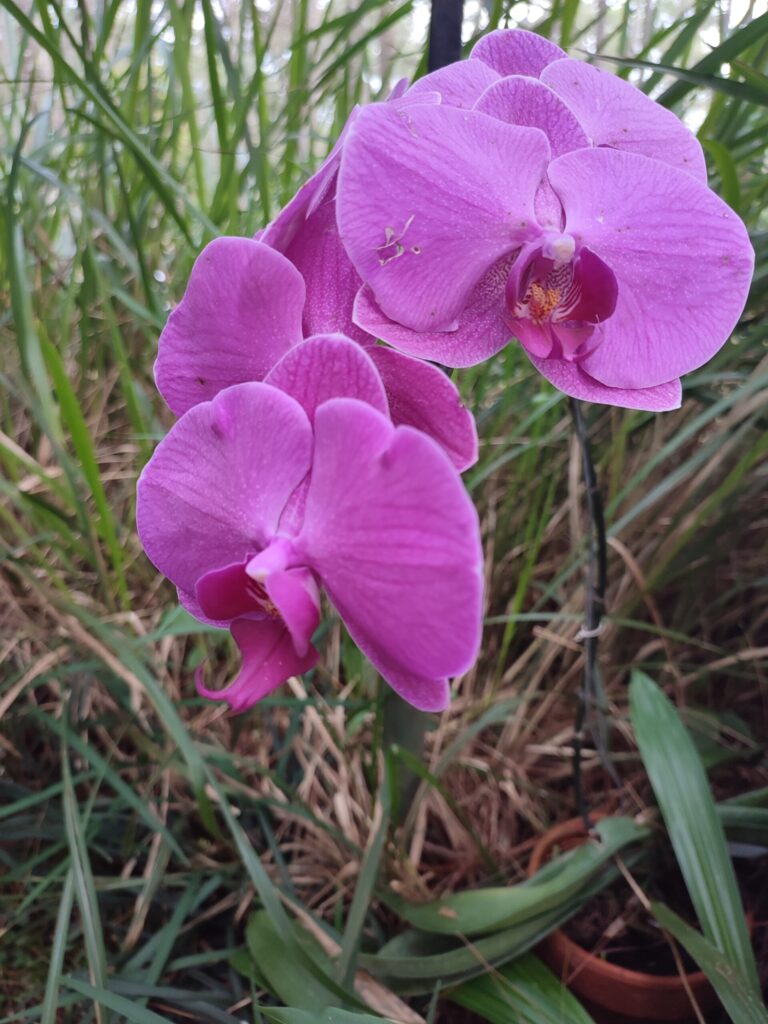
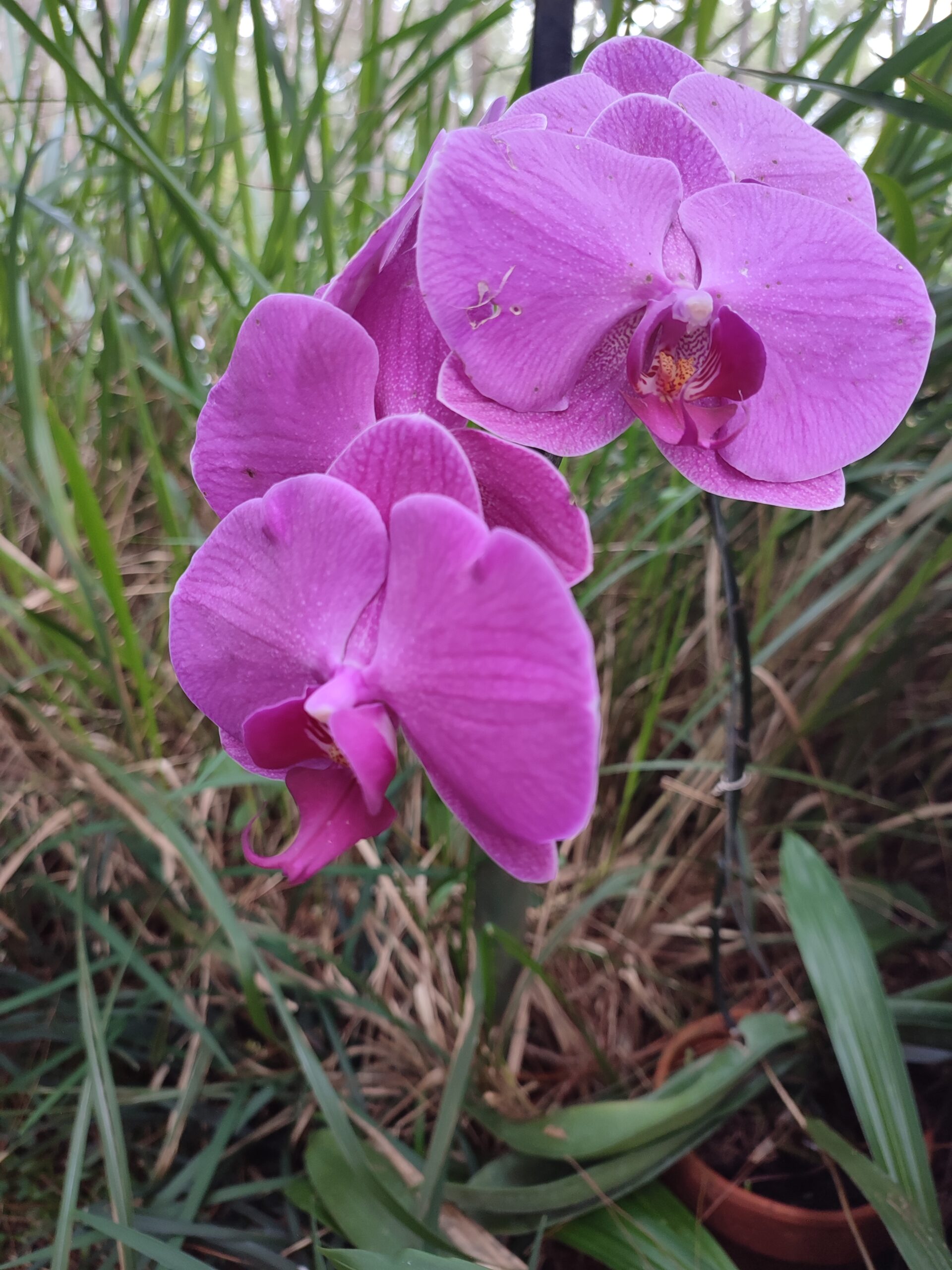
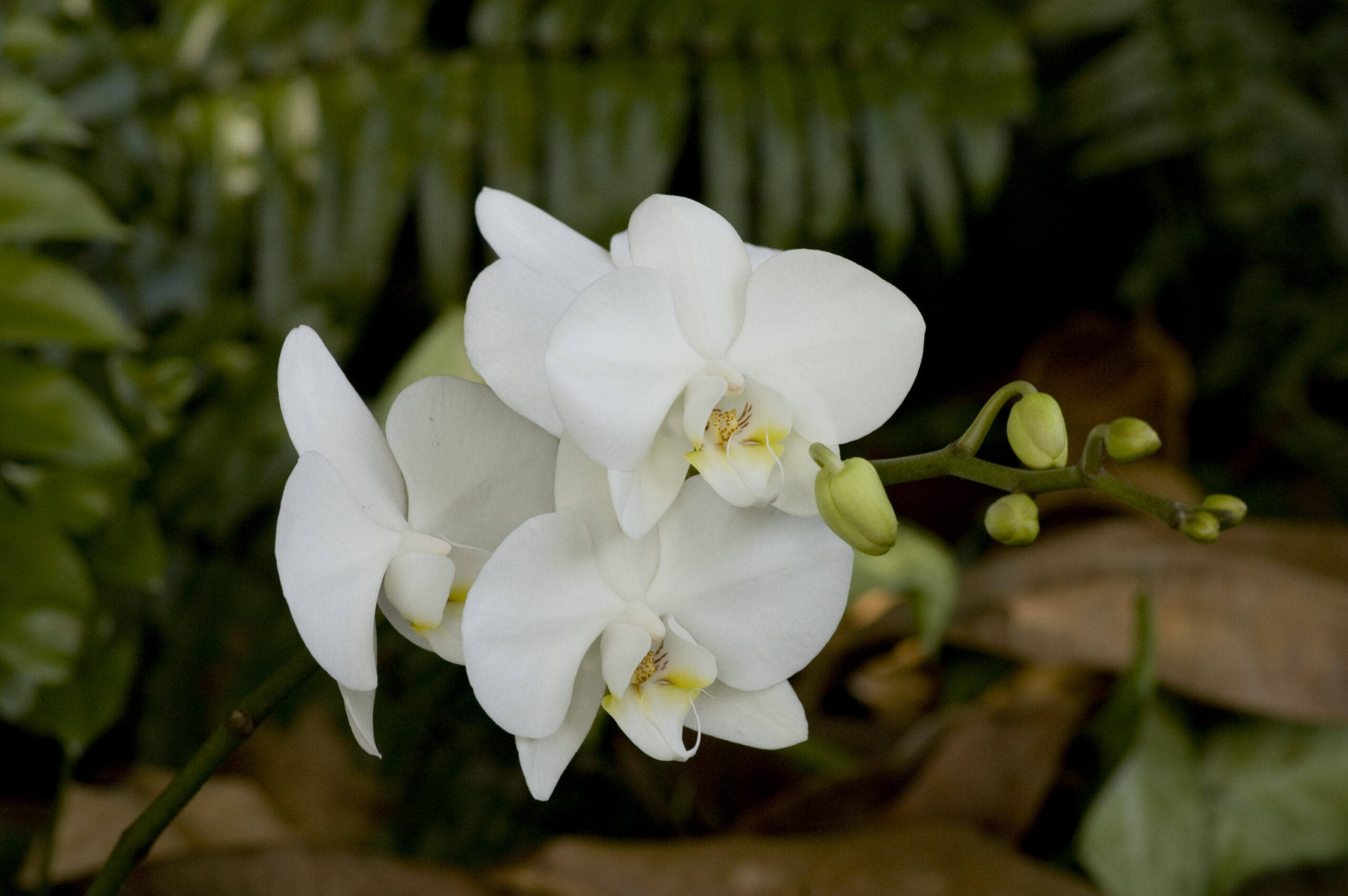
Orchids are among the most popular houseplants in the world. With more than 25,000 naturally occurring species, they offer incredible variety in color and form. The most common orchid found in homes is the Phalaenopsis, or moth orchid, prized for being easy to care for, long-lived, and capable of blooming for up to four months at a stretch. Here’s everything you need to know to keep yours thriving.
Finding the Right Spot
Orchids love bright but indirect light. A spot near an east- or west-facing window is ideal. Direct midday sun through a south-facing window can scorch the delicate leaves. The ideal daytime temperature is between 68 and 77°F (20-25°C), dropping to around 61-64°F (16-18°C) at night. This day-night temperature swing actually encourages flowering. Aim for humidity of 50 to 70 percent; misting regularly with low-mineral water helps.
Watering Orchids Correctly
The most common mistake is improper watering. Orchids are epiphytes, meaning in the wild they grow on trees rather than in soil, so their roots need air and can’t tolerate sitting in water. Soak the pot in room-temperature, low-mineral water for about 10 minutes once a week, then let it drain thoroughly. Standing water in the outer pot leads to root rot. In winter, soaking every 10 to 14 days is enough. A planter with proper drainage helps prevent waterlogging.
Fertilizing for Healthy Blooms
During the growing season from March through October, feed your orchid every two weeks with a specialized orchid fertilizer at half strength. In winter, once a month is enough. A liquid orchid fertilizer added straight to the soaking water works well.
Repotting Orchids
Repotting is needed every two to three years, once the growing medium breaks down. Use a dedicated orchid mix made from pine bark and coconut fiber. Gently remove the old medium, trim away any dead roots, and move the plant into a slightly larger pot. Quality orchid bark provides excellent drainage.
After Flowering: Pruning and Rest
Once blooming ends, cut the flower spike back just above the third node. With good care, the orchid will often send out a new side shoot from that point. If the spike has dried out completely, cut it back to the base instead. Give your orchid a six- to eight-week rest period with less water and no fertilizer.
Common Problems and Solutions
Yellow leaves: Usually too much direct light or watering with water that’s too cold.
Limp leaves: A sign of root rot from waterlogging. Remove the plant from its pot, cut away any mushy roots, and repot in fresh medium.
No flowers: Orchids need about a 9°F (5°C) difference between day and night to trigger blooming; try moving the plant somewhere cooler in fall.
Pests: Wipe off mealybugs and scale insects with a cotton swab dipped in rubbing alcohol.
Popular Orchid Varieties for Beginners
- Phalaenopsis: easy-care with long-lasting blooms, ideal for beginners
- Cattleya: large, fragrant flowers, needs more light
- Dendrobium: a diverse genus with clustered, grape-like blooms
- Paphiopedilum: unusual slipper-shaped flowers, prefers more shade
- Oncidium: the “dancing lady” orchid, with many small blooms
Conclusion
Despite their reputation as fussy divas, orchids are actually fairly low-maintenance once you understand their basic needs: bright light without direct sun, soaking instead of regular watering, a specialized growing medium, and light feeding. Follow these guidelines and you’ll enjoy your flowering beauty for years to come.