Terracotta, Plastic, or Ceramic: Which Flower Pot Suits Your Plant?
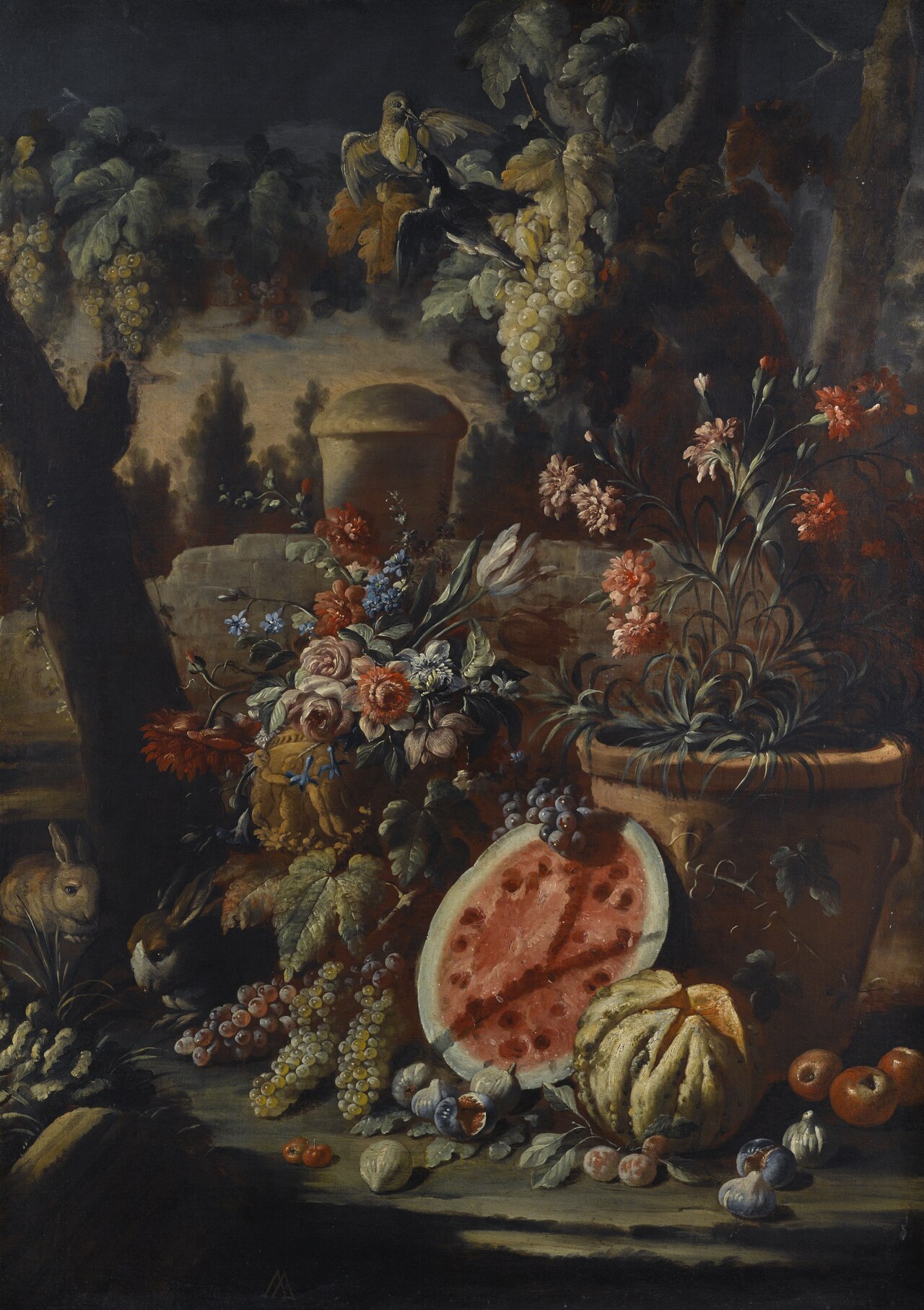
Choosing a flower pot isn’t just a matter of taste. The material, size, and even the shape of a planter directly affect how well your houseplants thrive. Here’s how the three most popular pot materials compare, and what to look for when you pick one.
Terracotta Pots: The Breathable Classic
Terracotta is a longtime favorite among plant lovers, and for good reason. This porous, fired clay actually breathes: tiny pores in the walls let excess moisture evaporate outward, which acts as a built-in defense against waterlogging and root rot.
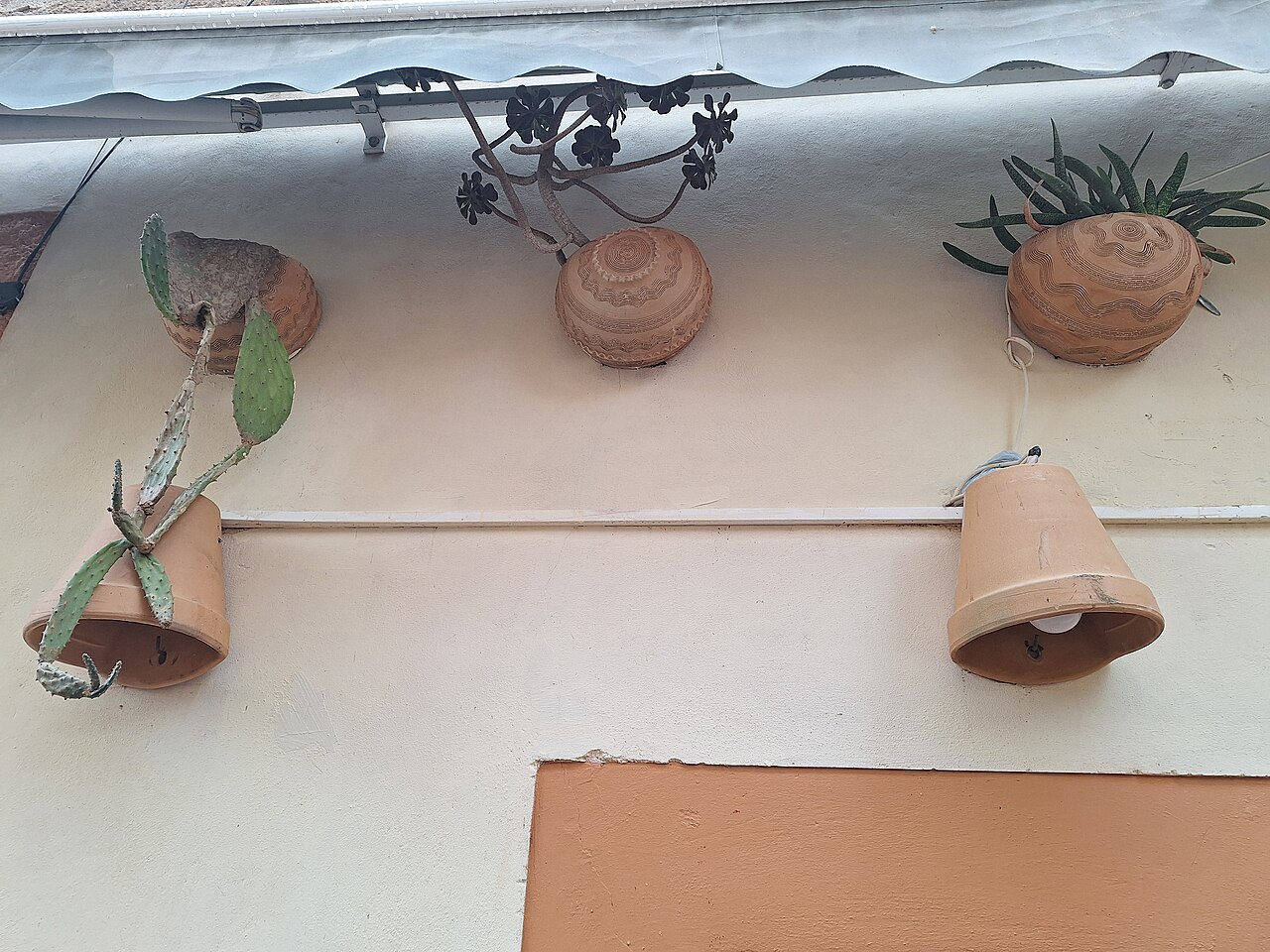
Plants that hate “wet feet” thrive in terracotta, including succulents, cacti, and Mediterranean herbs like rosemary and thyme. The trade-off is that you’ll need to water more often, since the soil dries out faster.
Terracotta also has a weight advantage: a heavy clay pot gives larger plants stability and helps prevent tipping. On the downside, terracotta is frost-sensitive and can crack in freezing temperatures if left outdoors.
Aesthetically, terracotta brings a warm, natural look that suits almost any plant and any decor style. Over time it develops a natural patina that many collectors love.
Plastic Pots: Lightweight, Affordable, and Practical
Plastic pots are often underrated, but they have real advantages. They’re light, inexpensive, and available in countless colors and shapes. That low weight makes them ideal for hanging planters and shelving, where every ounce counts.
The biggest practical benefit of plastic is that it’s watertight. Soil dries out more slowly, which saves you work with thirsty plants like ferns or calatheas. Watering less often also gives you more flexibility, handy if you’re away for a weekend.
Modern plastic pots don’t have to look cheap, either. High-quality versions mimic stone, concrete, or ceramic convincingly, and many even include built-in reservoirs or water-level indicators.
The downside is a lack of breathability. Without drainage holes, water can pool at the bottom, which is bad news for most roots. Always check for adequate drainage holes when buying, or drill your own.
Ceramic Pots: Elegance With Function
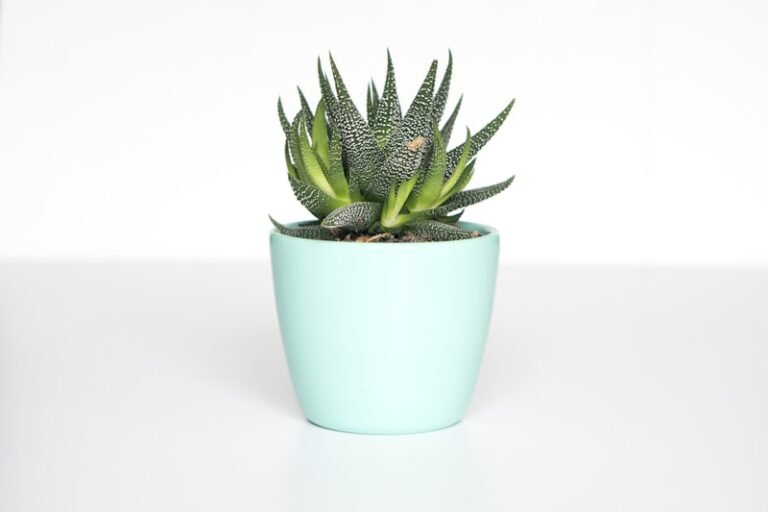
Ceramic pots, usually glazed, combine the best of both worlds. They have the pleasing heft and stability of terracotta, but the glaze makes them watertight. That makes them a great choice for visible spots like the living room, hallway, or entryway.
Glazes come in every color and finish imaginable, from high gloss to matte to hand-painted one-of-a-kind pieces. A striking ceramic pot can become a focal point that shows off the plant inside.
One thing to watch for: decorative ceramic pots often lack a drainage hole. It’s best to use them as a decorative outer pot and keep the plant in a separate nursery pot with holes inside. That way you get both good looks and good plant health.
Choosing the Right Pot Size
Regardless of material, the pot should match the plant. As a rule of thumb, pick a pot about two to three centimeters wider in diameter than the root ball. A pot that’s too large invites waterlogging, since the soil stays damp for too long without roots to absorb it. A pot that’s too small restricts growth.
When repotting, it’s best to size up gradually, roughly two to four centimeters in diameter at a time. That gives the roots room to grow without overwhelming the plant.
Conclusion: Which Pot Is Right for You?
If you’re a beginner, or tend to overwater, terracotta is the safest choice. Its breathable material forgives watering mistakes and helps prevent waterlogging. Plastic is excellent for hanging plants, propagation, and anywhere you need to save weight. Ceramic is the premium option for looks, ideal as a decorative outer pot in living spaces.
In the end, there’s no single perfect pot. The smartest approach is often a mix: a functional inner pot in plastic or terracotta, paired with an attractive ceramic or woven outer pot. That way both your plant and your decor benefit.
This article may contain affiliate links. If you purchase a product through one of these links, Plantgecko may earn a commission at no extra cost to you. This never influences our editorial independence or which products we recommend.