Water vs. Soil Propagation: Which Method Is Better for Cuttings?
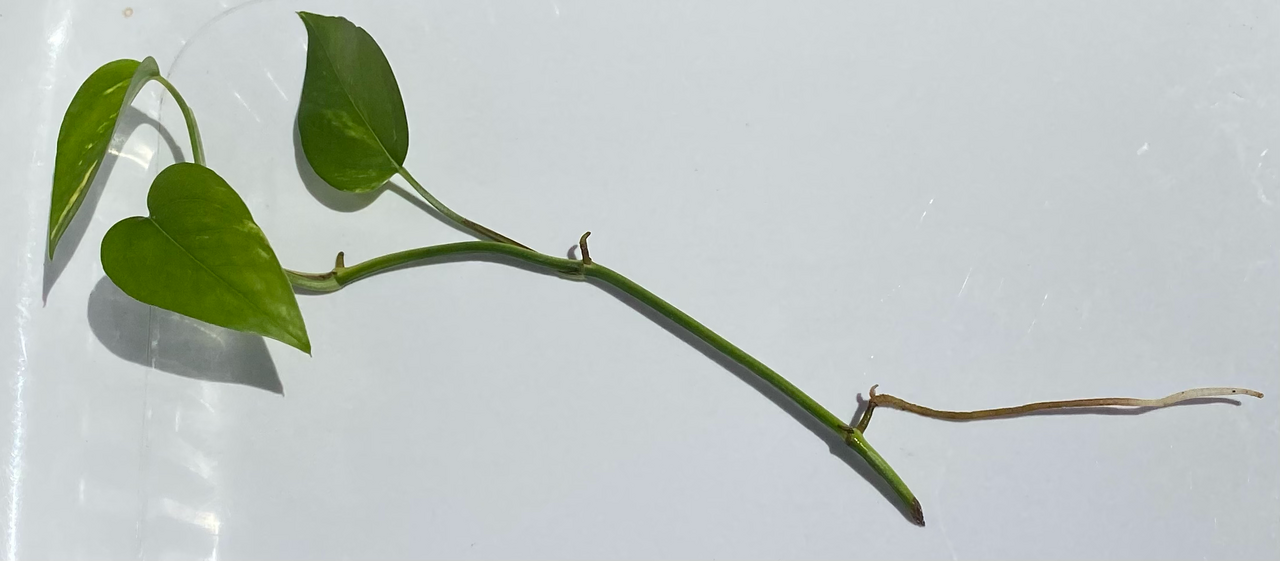
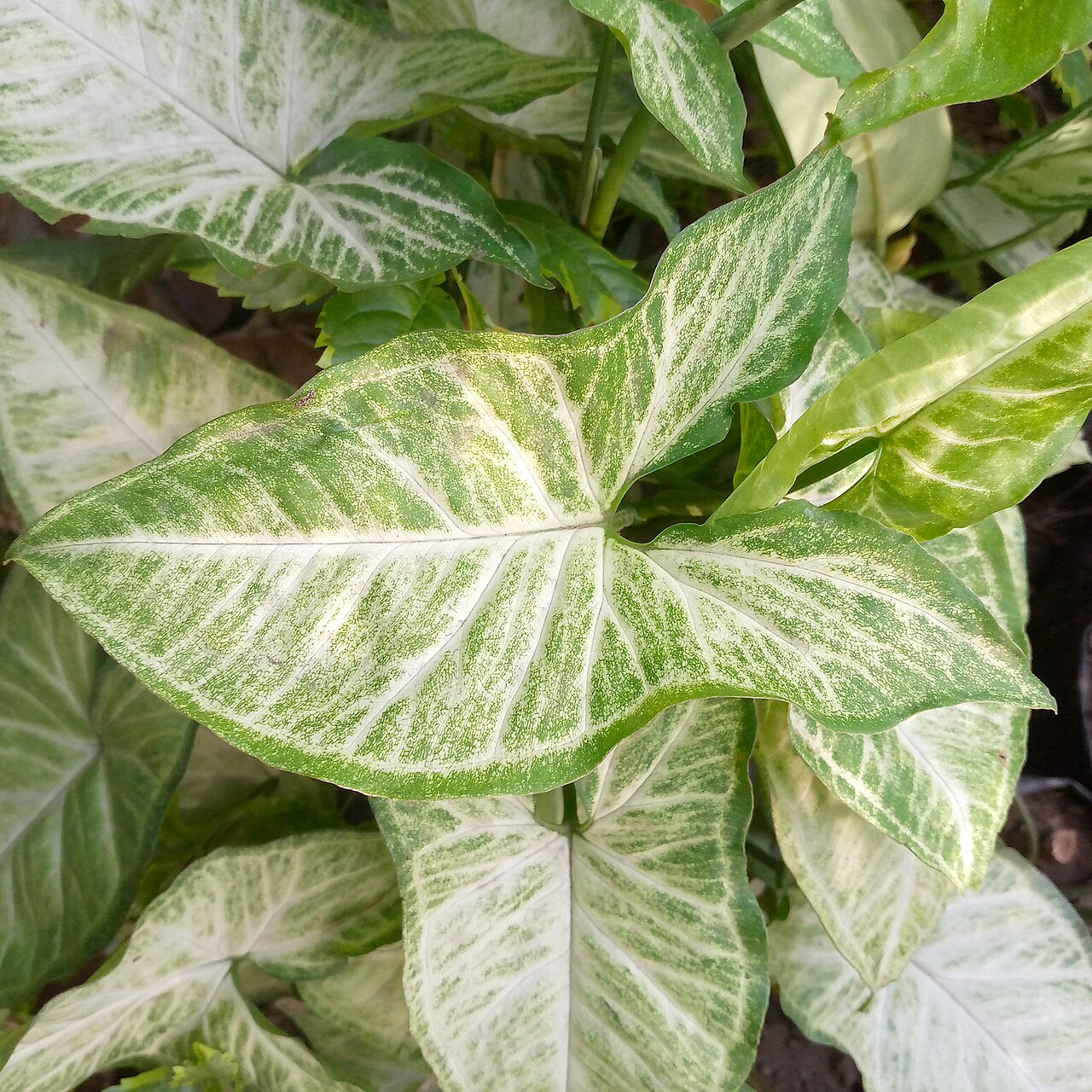
When you take a cutting from a houseplant, you have two main options for encouraging it to grow roots: placing it in a glass of water or sticking it directly into a moist growing medium. Both methods work well for many popular houseplants, including pothos, philodendron, monstera, and tradescantia, but each has trade-offs worth understanding before you start snipping stems.
How Water Propagation Works
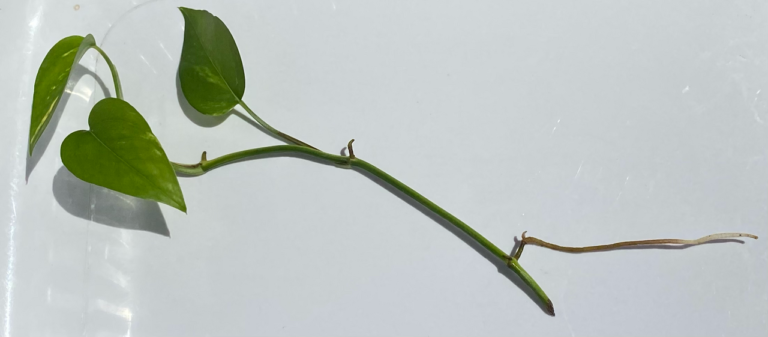
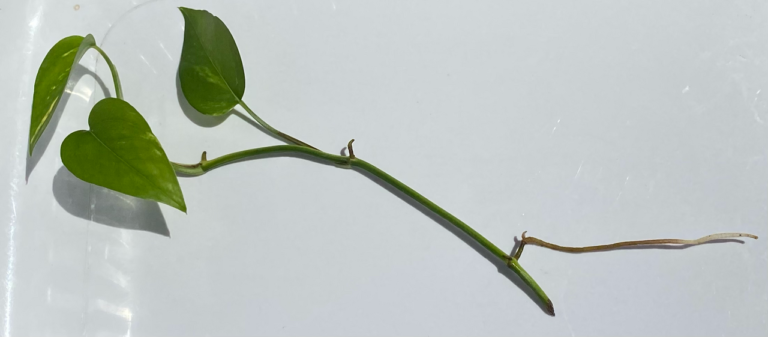
Water propagation involves submerging the cut end of a stem, usually just below a leaf node, in a jar or glass of water. The node is where roots naturally form, so keeping it wet encourages root initiation. This method is popular because it lets you watch root development directly, requires no soil mess, and works reliably for many trailing and vining plants. The water should be changed every few days to prevent bacterial buildup and stagnation, and the jar should sit somewhere with bright, indirect light.
The roots that form in water, however, are adapted to an aquatic environment. They tend to be thinner and more brittle than soil-grown roots, and they are specialized for absorbing dissolved oxygen and nutrients from water rather than drawing moisture from soil particles. This is the source of water propagation’s biggest drawback.
How Soil Propagation Works
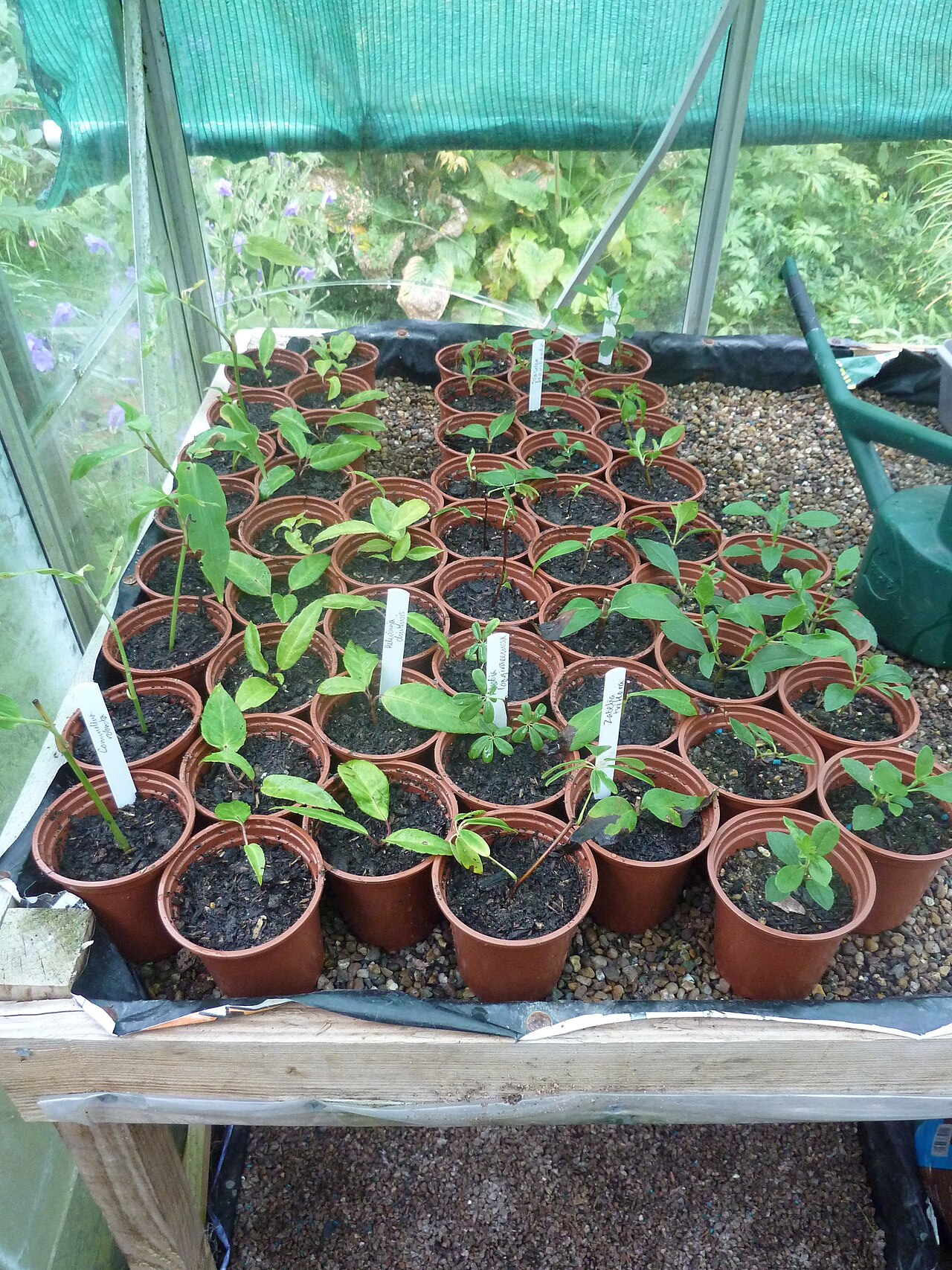
Soil propagation means inserting the cutting directly into a moist, well-draining potting mix, often a lighter blend than you’d use for an established plant, such as a mix of perlite and peat or coco coir. Because there is no visual confirmation of root growth, success is judged by a gentle tug test after a few weeks, or by watching for new leaf growth, which signals that roots have taken hold.
Roots grown in soil from the start are naturally adapted to extracting water and nutrients from a solid medium, so once the cutting establishes itself, it tends to grow steadily without the shock of switching environments. Covering the pot loosely with a clear plastic bag or dome can help maintain humidity around the cutting while roots are forming, which improves success rates for slower-rooting species.
Comparing the Two Methods
- Visibility: Water lets you monitor root growth easily; soil requires patience and indirect signs.
- Root quality: Soil-grown roots are typically sturdier and better adapted for long-term growth in potting mix.
- Transplant shock: Cuttings rooted in water often struggle when finally moved to soil, sometimes losing roots or wilting temporarily.
- Mess and equipment: Water propagation is cleaner and needs only a jar; soil propagation requires pots, mix, and possibly humidity domes.
- Speed: Many plants root visibly faster in water, though the roots then need time to adjust once potted up.
Which Method Should You Choose?
If you enjoy watching the rooting process or want to propagate cuttings as an interim step before deciding where to plant them, water propagation is satisfying and low-risk. For the healthiest long-term results, however, direct soil propagation generally produces a plant that establishes faster once it starts actively growing, since it skips the transition period entirely.
If you do root a cutting in water and plan to eventually pot it up, transition it gradually rather than all at once. Pot the cutting in a lightweight, moisture-retentive mix and keep the soil consistently damp for the first one to two weeks, allowing the water roots time to adapt to absorbing moisture from a solid medium. Misting the leaves and providing bright, indirect light during this adjustment period will also reduce stress on the young plant.
This article may contain affiliate links. If you purchase a product through one of these links, Plantgecko may earn a commission at no extra cost to you. This never influences our editorial independence or which products we recommend.