Growing Lettuce: How to Harvest Fresh Lettuce All Year Round
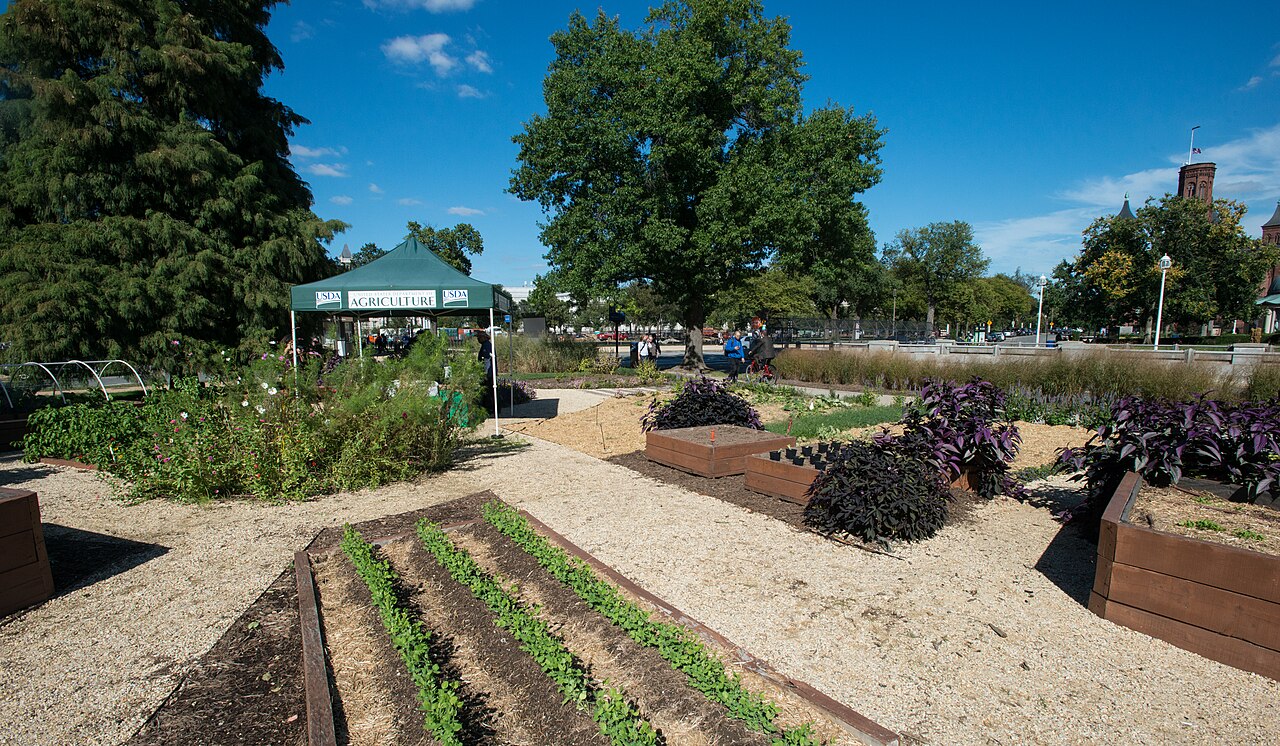
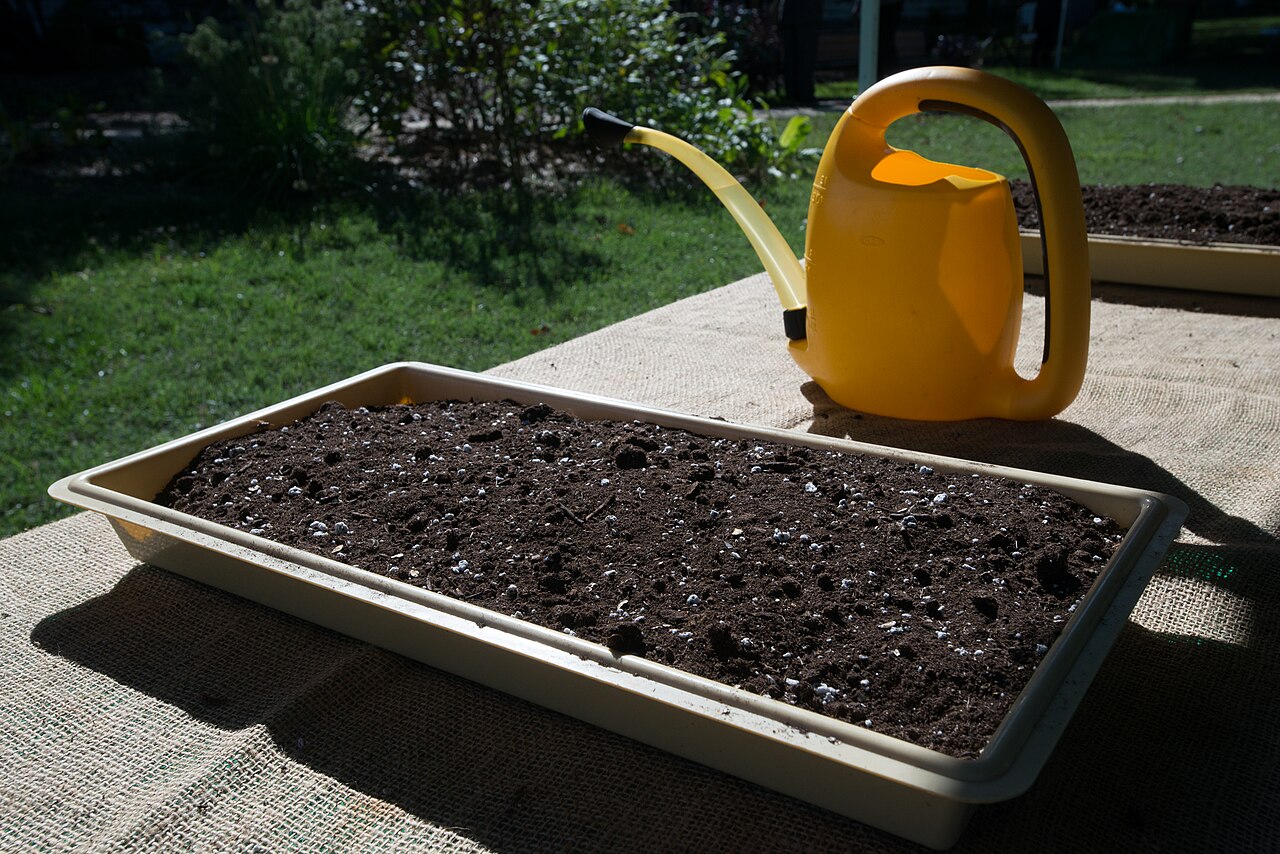
Lettuce (Lactuca sativa) is one of the easiest and fastest vegetables to grow, making it a favorite for beginner gardeners and anyone short on space. With the right timing and technique, it’s possible to harvest fresh lettuce for most of the year, whether in garden beds, raised beds, containers, or even a sunny windowsill.
Choosing a Lettuce Type
Loose-leaf lettuces (like ‘Black Seeded Simmon’ or oakleaf types) mature fastest, often within 30-45 days, and can be harvested a few outer leaves at a time, letting the plant keep producing. Romaine and butterhead varieties take a bit longer, typically 55-70 days to full maturity, and are usually harvested as a whole head. Crisphead types like iceberg take the longest and are the most demanding to grow well at home. For continuous harvests with minimal effort, loose-leaf varieties are the best starting point.
Ideal Growing Conditions
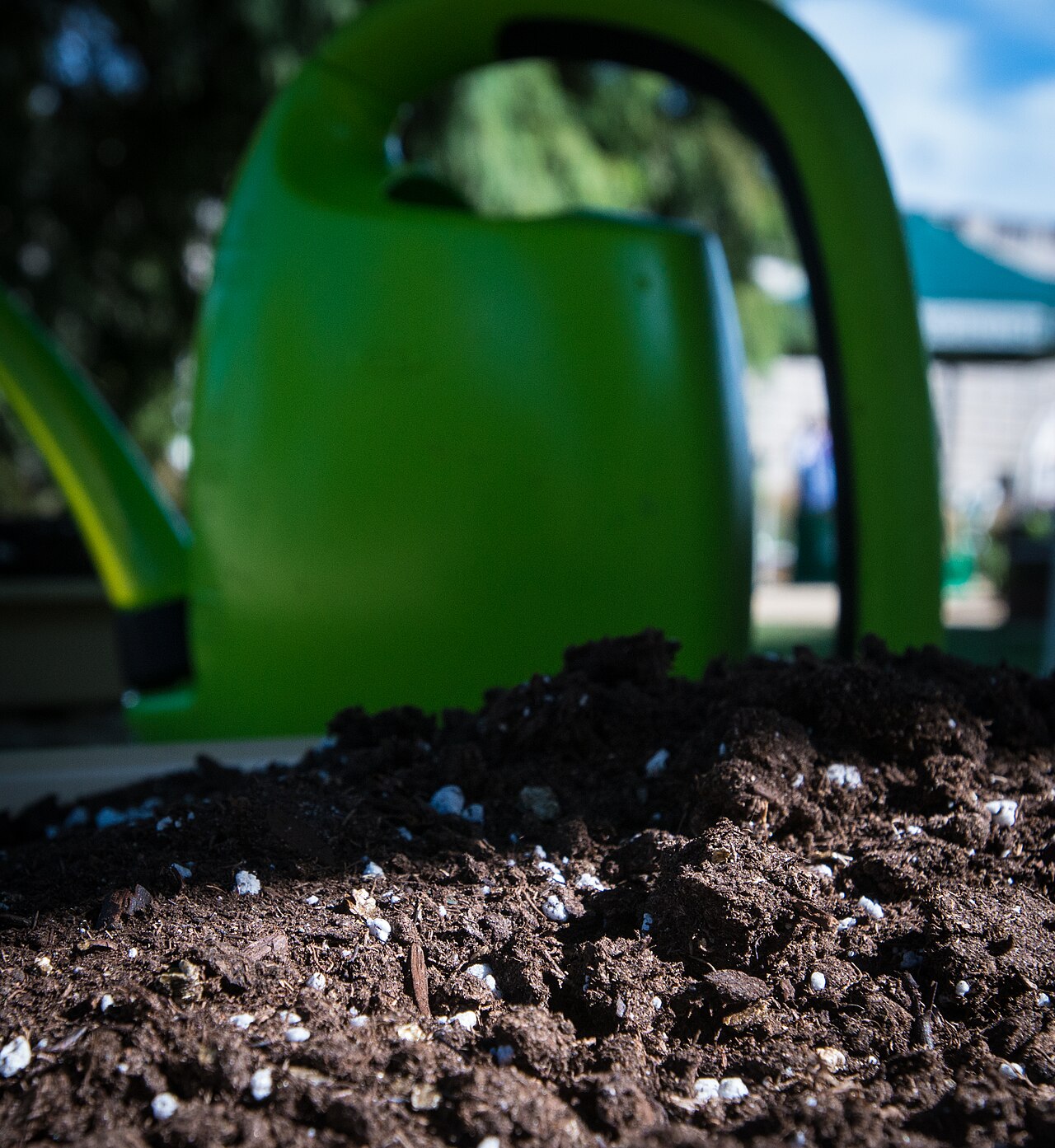
Lettuce is a cool-season crop that grows best in temperatures between 45-75°F (7-24°C). It bolts (sends up a bitter-tasting flower stalk) quickly in hot weather, so summer heat is its biggest enemy. It needs 4-6 hours of sun daily, though in hot climates some afternoon shade helps prevent bolting and bitterness. Lettuce grows in most reasonably fertile, well-draining soil enriched with compost, and does equally well in containers at least 6-8 inches deep.
Sowing and Succession Planting
Sow seeds directly, just a quarter-inch deep, since lettuce seed needs light and shallow planting to germinate well. Thin seedlings to 4-6 inches apart for loose-leaf types or 8-12 inches for head lettuce. The key to a year-round harvest is succession planting: sow a small new batch of seeds every 2-3 weeks rather than one large planting, so new plants are always coming up to replace ones you’ve harvested. In cold climates, extend the season into fall and even winter with a cold frame or row cover, and start again as soon as the soil is workable in early spring.
Watering and Common Problems
Lettuce has shallow roots and needs consistent moisture; let the soil dry out and the leaves quickly turn bitter and tough. Water regularly to keep the soil evenly moist, especially in warm weather, and mulch to help retain moisture and keep roots cool.
- Bolting: Triggered by heat and long days. Grow heat-tolerant varieties in summer, provide afternoon shade, and harvest promptly once temperatures rise.
- Bitter taste: Usually caused by heat stress, bolting, or inconsistent watering.
- Slugs and snails: Common pests on tender lettuce leaves; handpicking, beer traps, or iron phosphate baits help control them.
- Aphids: Check the undersides of leaves and rinse off with a strong spray of water or treat with insecticidal soap if numbers build up.
Harvesting
For loose-leaf types, harvest outer leaves as needed once they reach a usable size, leaving the center to keep producing — this “cut and come again” approach can yield harvests for weeks from a single planting. For head types, harvest the whole plant once it feels firm, cutting at the base. Morning harvests, after the plant has rehydrated overnight, tend to be crispest.
This article may contain affiliate links. If you purchase a product through one of these links, Plantgecko may earn a commission at no extra cost to you. This never influences our editorial independence or which products we recommend.