Hydroponics vs. Soil: Pros and Cons for Houseplants
The trend toward hydroponics for houseplants keeps growing. But is switching from classic soil culture actually worth it? In this article, we compare hydroponics and soil culture and show you the pros and cons of both methods.
What Is Hydroponics?
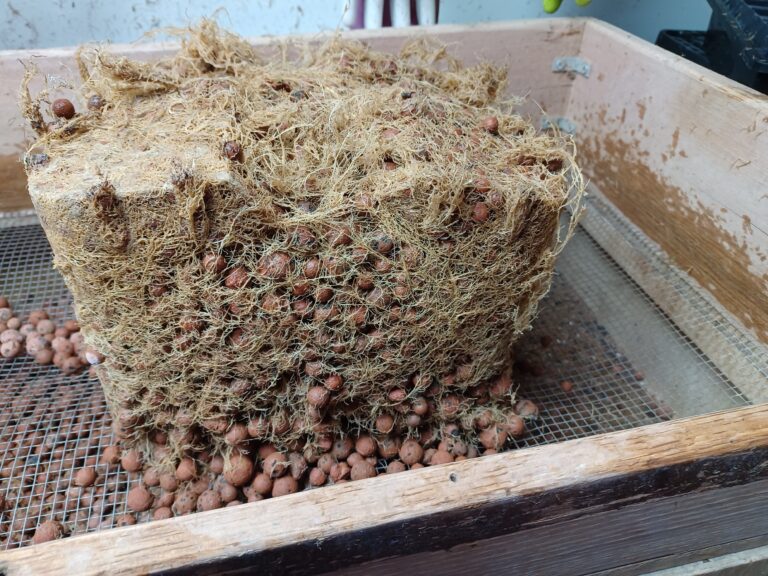
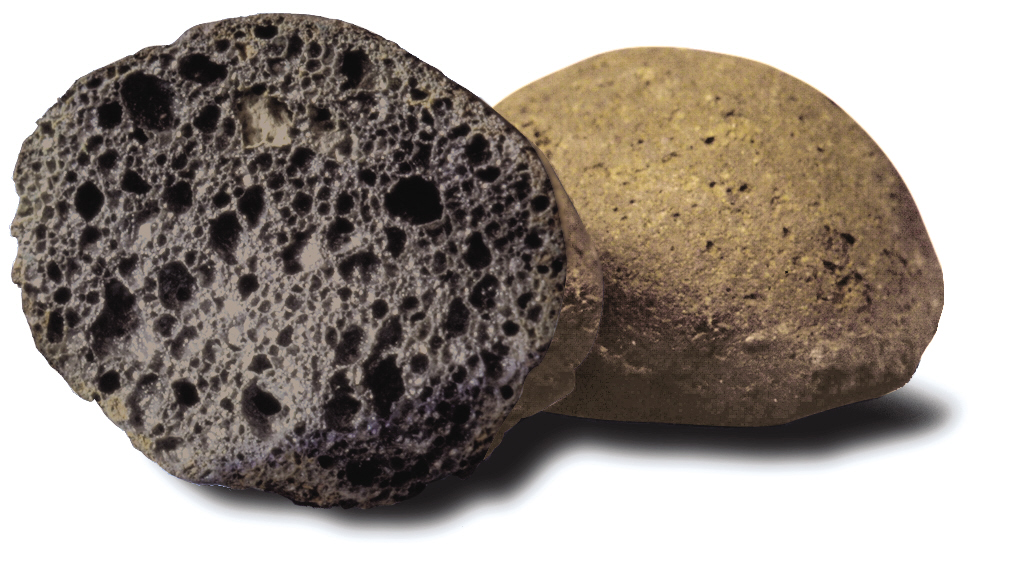
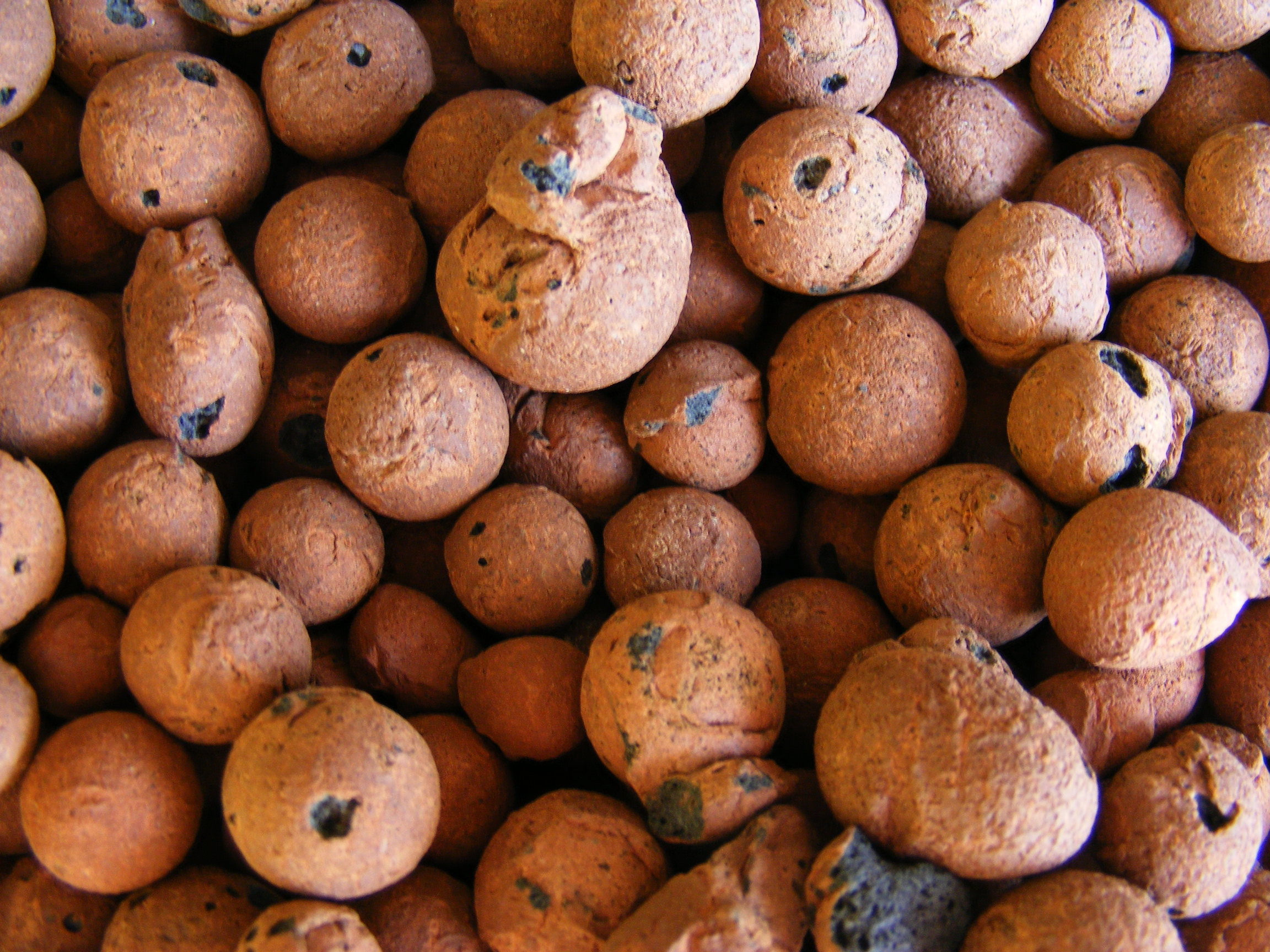
In hydroponics, plants don’t grow in soil but in a mineral, water-permeable substrate — usually expanded clay pebbles (LECA). The substrate serves only as a support for the roots and doesn’t store nutrients itself. Water and fertilizer are supplied via a reservoir in the outer pot. A water-level indicator shows you when it’s time to refill.
Advantages of Hydroponics
- No waterlogging: The roots sit in expanded clay above the water reservoir — overwatering is practically impossible.
- Less watering: Depending on the plant, watering once every 2–4 weeks is enough — perfect for frequent travelers and forgetful waterers.
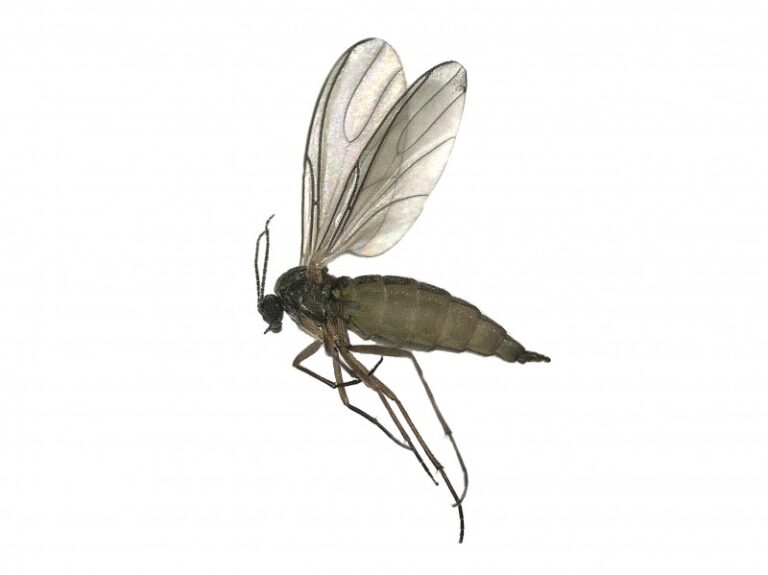
- No fungus gnats: Pests can barely multiply in a mineral substrate.
- Allergy-friendly: No mold in the growing medium, fewer allergens in the indoor air.
- Clean: No soil spilling out of the pot when watering — ideal for light-colored carpets and apartments.
Disadvantages of Hydroponics
- Higher upfront cost: Special pots with water-level indicators and expanded clay are more expensive than ordinary pots.
- Special fertilizer required: Ordinary liquid plant food isn’t suitable — you need a fertilizer formulated specifically for hydroponics.
- Difficult conversion: Switching an established plant from soil to hydroponics is a hassle and doesn’t always succeed.
- Limited plant selection: Not every plant thrives in hydroponics — cacti and succulents generally don’t tolerate it.
Soil Culture: The Tried-and-True Classic
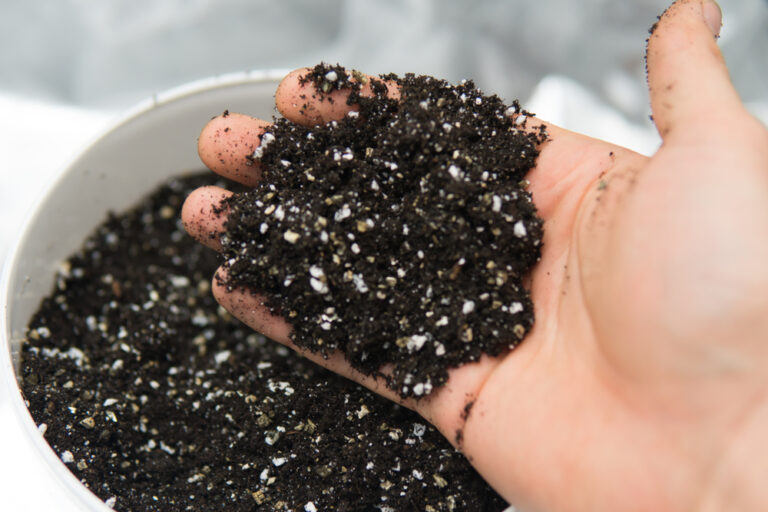
Most houseplants grow in classic potting soil, and for good reason: soil provides a natural, living ecosystem full of microorganisms that convert nutrients and promote root growth.
Advantages of Soil Culture
- Natural and proven: Billions of years of evolution have perfectly adapted plants to growing in soil.
- Inexpensive and simple: Potting soil, any pot — and you’re ready to go.
- Universal: Almost any plant can be grown in soil.
- Forgiving: Good soil buffers small care mistakes, such as too little or too much water.
Disadvantages of Soil Culture
- Waterlogging risk: Improper watering can lead to root rot.
- Pests: Soil can harbor fungus gnats, springtails, and other pests.
- Regular repotting required: Soil becomes depleted and needs to be replaced every 1–3 years.
- Mess: Soil easily ends up on the floor during watering and repotting.
Which Plants Are Suited to Hydroponics?
These plants thrive especially well in hydroponics:
- Pothos (Epipremnum)
- Monstera deliciosa
- Spider plant (Chlorophytum)
- Peace lily (Spathiphyllum)
- Dragon tree (Dracaena)
- Rubber plant (Ficus elastica)
- Dieffenbachia
- Philodendron species
Conclusion: Which System Is Better?
For beginners, we recommend classic soil culture — it’s cheaper, simpler, and more forgiving of mistakes. For frequent travelers, allergy sufferers, and plant lovers seeking maximum convenience and cleanliness, hydroponics is an excellent alternative. Many plant enthusiasts use both systems in parallel, depending on the plant and location.