Liquid Fertilizer, Fertilizer Sticks, and Slow-Release Fertilizer Compared
The market for plant fertilizers is huge – from liquid fertilizer to fertilizer sticks to slow-release granules. But which product is right for you and your plants? In this article, we compare liquid fertilizer, fertilizer sticks, and slow-release fertilizer and show you which type of fertilizer suits which situation best.
Liquid Fertilizer: The Classic with Immediate Effect
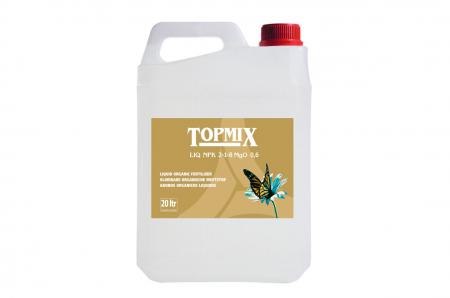
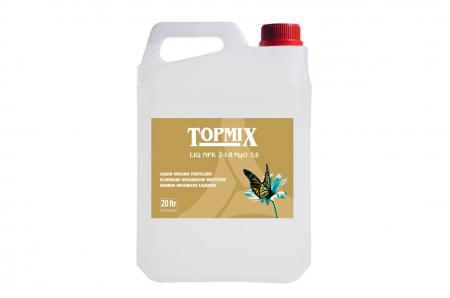
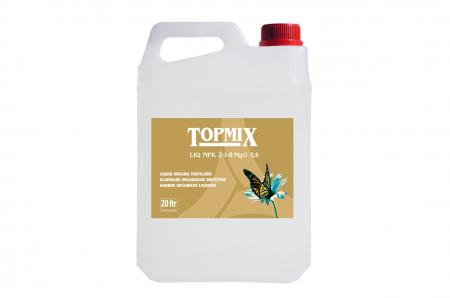
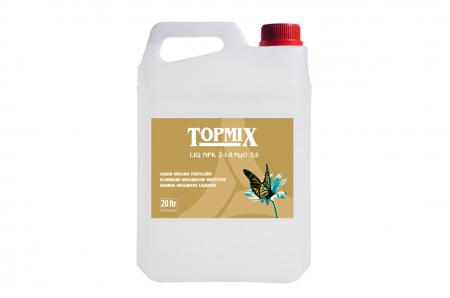
Liquid fertilizer is the most widely used form of fertilizer for houseplants. You simply add it to your watering water – the nutrients are immediately available to the plant and show results within a few days.
Advantages
- Fast-acting: Ideal for acute deficiencies or for a quick growth boost.
- Flexible dosing: You can adjust the concentration precisely – heavily diluted for light feeders, more concentrated for heavy feeders.
- Even distribution: The nutrients spread evenly throughout the root zone along with the water.
- Wide variety of specialty formulas: There’s a specific blend for almost every type of plant (orchids, cacti, citrus plants, flowering plants).
Disadvantages
- Requires regular application: You have to remember to fertilize – every second or third watering.
- Risk of over-fertilizing: Incorrect dosing can damage the roots.
- Leaching: Excess fertilizer runs out of the pot along with the water.
Recommendation: A well-balanced liquid fertilizer for green foliage plants is a reliable bestseller for healthy houseplants.
Fertilizer Sticks: The Convenient Solution
Fertilizer sticks are solid, compressed sticks that you insert directly into the potting soil. They slowly release their nutrients into the soil over 8–12 weeks.
Advantages
- Extremely simple: Insert once, then relax for weeks – perfect for anyone who doesn’t want to think about fertilizing on a regular basis.
- No risk of over-fertilizing: The slow release prevents nutrient spikes.
- Clean: No mixing, no spilling, no stains – ideal for indoor use.
- Great for travel: Insert a stick before your vacation, and your plant is taken care of for weeks.
Disadvantages
- Uneven distribution: The nutrients concentrate around the stick – roots farther away get less.
- Less flexible: You can’t quickly adjust the dosage.
- Not suitable for all plants: For plants with very shallow root systems (such as African violets), the nutrient concentration can be too high.
Recommendation: A proven, reliable fertilizer stick made for green foliage plants.
Slow-Release Fertilizer (Granules): The Premium Solution
Slow-release fertilizer, in granule form or as coated pellets (controlled-release fertilizer), is worked into the soil when repotting. The nutrients are released continuously over 3–6 months through a special resin coating – controlled by temperature and moisture.
Advantages
- Maximum convenience: Mix it in once when repotting, then relax for months.
- Even nutrient release: No nutrient deficiency and no over-fertilizing – the perfect balance.
- Weather-independent: The release rate automatically adjusts to temperature (more warmth means more growth, and correspondingly more nutrient release).
Disadvantages
- More involved application: Can only be applied when repotting or by working it into the top layer of soil.
- Higher price: More expensive to buy than liquid fertilizer, but a single package lasts a long time.
- Not for acute deficiencies: The slow release doesn’t help with short-term nutrient needs.
Popular Products by Fertilizer Type
| Product | Form | Feeding Frequency | Best For |
|---|---|---|---|
| Espoma Indoor! Liquid Plant Food | Liquid | Every 2 weeks | Regular feeders, fast results |
| Jobe’s Indoor Plant Food Spikes | Spikes/sticks | Every 8 weeks | Low-maintenance care |
| Osmocote Smart-Release Plant Food | Slow-release granules | Every 4-6 months | Set-and-forget feeding |
What’s Best for Whom?
| Type of Gardener | Best Fertilizer |
|---|---|
| Plant beginner | Fertilizer sticks – simple and foolproof |
| Frequent traveler | Slow-release granules – fertilize once, relax for months |
| Dedicated plant enthusiast | Liquid fertilizer – maximum control and flexibility |
| Orchid owner | Specialty liquid orchid fertilizer – lightly dosed |
| Cactus and succulent fan | Specialty cactus fertilizer – high potassium, low nitrogen |
For most houseplant owners, a combination works best: fertilizer sticks for baseline nutrition, and liquid fertilizer for occasional nutrient boosts during the main growing season.