
Organic vs. Mineral Fertilizer: Pros and Cons Compared
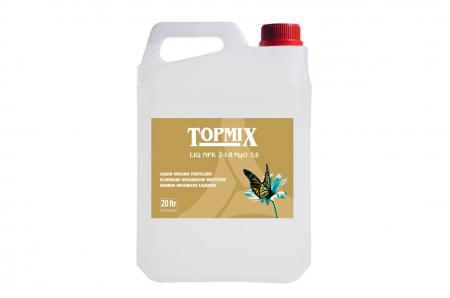
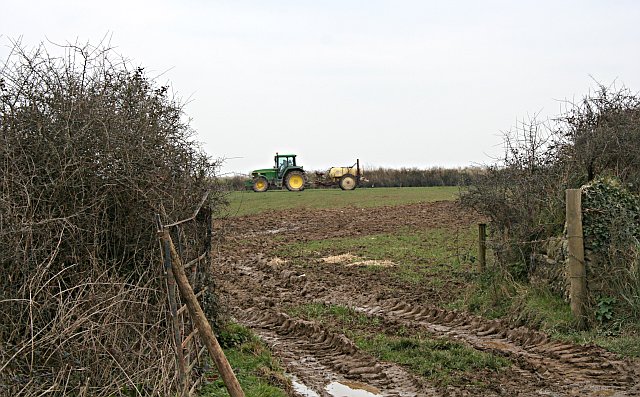
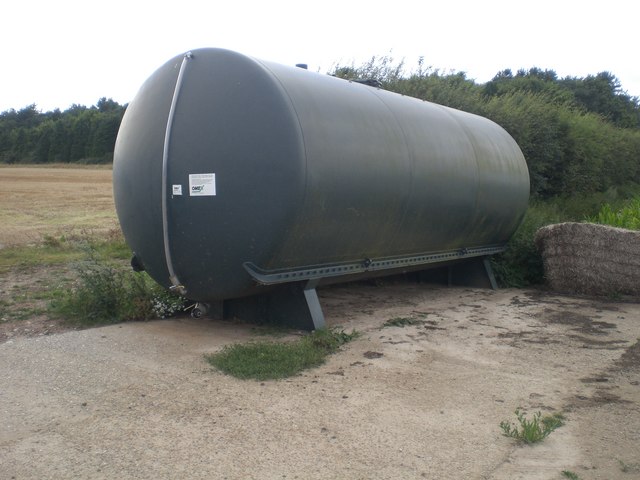
When it comes to plant fertilizer, home gardeners often face a choice: organic or mineral fertilizer? Both types have their merits, but they differ fundamentally in how they work, how they’re applied, and their environmental impact. In this article, we compare both methods in detail.
What Is Organic Fertilizer?
Organic fertilizers come from natural sources – of either animal or plant origin. The most common organic fertilizers include:
- Horn shavings and horn meal: Made from cattle horns, rich in nitrogen, slow-release.
- Compost: Decomposed plant matter that covers the full spectrum of nutrients and improves the soil.
- Worm castings: The waste product of composting worms, extremely nutrient-rich and great for improving soil.
- Guano: Deposits from seabird droppings, rich in phosphorus and nitrogen.
- Horse and cattle manure: Classic natural fertilizers for the garden.
Advantages of Organic Fertilizer
- Slow, sustained release: Nutrients are only released through the action of microorganisms – virtually no risk of overfertilizing.
- Soil improvement: Organic matter supports soil life, improves soil structure, and increases water retention.
- Environmentally friendly: Made from renewable resources, with no chemical processing required.
- Long-lasting effect: A single application often lasts several months.
Disadvantages of Organic Fertilizer
- Slow to act: Too sluggish for acute nutrient deficiencies – the plant has to wait until microorganisms make the nutrients available.
- Odor: Horn shavings and guano in particular can smell unpleasant.
- Variable nutrient content: The exact composition varies from batch to batch.
- Impractical for houseplants: Organic fertilizers like manure are hardly usable indoors.
What Is Mineral Fertilizer?
Mineral fertilizers are manufactured industrially and contain nutrients in pure form as water-soluble salts. Well-known mineral fertilizers include:
- All-purpose granular fertilizer: A universal complete fertilizer with a balanced NPK ratio.
- Liquid fertilizer: Immediately available to the plant, applied along with the water.
- Slow-release fertilizer pellets: Coated with a resin layer that releases nutrients gradually.
Advantages of Mineral Fertilizer
- Immediate effect: Nutrients are water-soluble and available to the plant right away.
- Precise dosing: The nutrient composition is always consistent and exactly labeled.
- Targeted nutrition: For specific deficiencies, you can supply exactly the missing nutrient.
- Convenient for houseplants: Odorless and easy to apply.
Disadvantages of Mineral Fertilizer
- Risk of overfertilizing: Excessive concentrations can “burn” the roots and damage the plant.
- No soil improvement: Mineral fertilizers don’t support soil life or build up humus.
- Leaching: Excess nutrients are easily washed out and can pollute groundwater.
- Energy-intensive production: Industrial manufacturing is resource-intensive.
Popular Organic and Mineral Products Compared
| Product | Category | Nutrient Release | Best For |
|---|---|---|---|
| Dr. Earth Pump and Grow All Purpose Fertilizer | Organic liquid | Slow, microbe-dependent | Sustainability-minded growers |
| Espoma Organic Indoor! Liquid Plant Food | Organic liquid | Slow to moderate | Houseplants, eco-conscious care |
| Jack’s Classic All Purpose Fertilizer 20-20-20 | Mineral, water-soluble | Immediate | Fast-growing, heavy feeders |
| Miracle-Gro Water Soluble All Purpose Plant Food | Mineral, water-soluble | Immediate | Quick fixes, general use |
Which Fertilizer Is Right for You?
| Situation | Recommended Fertilizer |
|---|---|
| Houseplants in general | Mineral liquid fertilizer – convenient and precisely dosed |
| Acute nutrient deficiency | Mineral liquid fertilizer – fast, immediate help |
| Garden plants, flower beds | Organic fertilizer – improves soil quality over the long term |
| Sustainability-minded gardeners | Organic fertilizer – an eco-friendly, circular approach |
| Beginners | Fertilizer sticks or slow-release fertilizer – low risk of error |
Our Tip: Find the Happy Medium
For the best results, you can combine both types of fertilizer: use an organic slow-release fertilizer as a base when repotting, and supplement with mineral liquid fertilizer during the growing season for quick nutrient boosts. That way, you get the benefits of both worlds!
A good all-purpose liquid fertilizer for green houseplants, formulated specifically to meet the needs of indoor plants, will deliver all the essential nutrients in a well-balanced mix.
This article may contain affiliate links. If you purchase a product through one of these links, Plantgecko may earn a commission at no extra cost to you. This never influences our editorial independence or which products we recommend.
One Comment