Hanging Plants Care: A Complete Guide
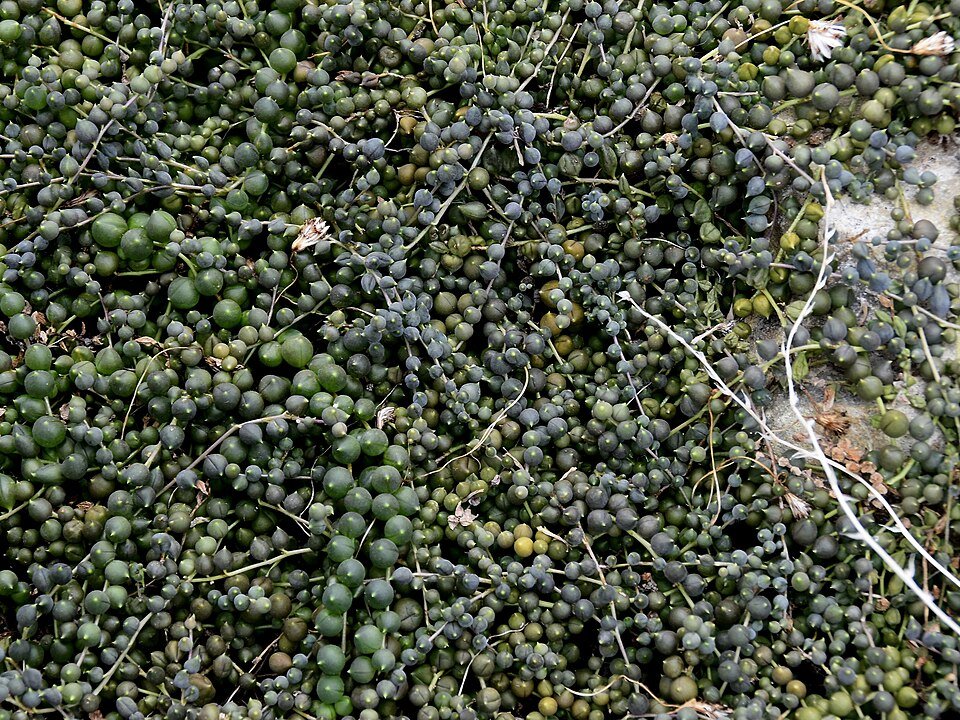
Hanging plants bring greenery to spaces that would otherwise go unused — from empty corners to bare walls — and their cascading foliage adds a softness that upright plants can’t match. Whether you’re working with a sunny window or a shadier spot, there’s a trailing plant suited to nearly every indoor condition.
Choosing the Right Plant for Your Light
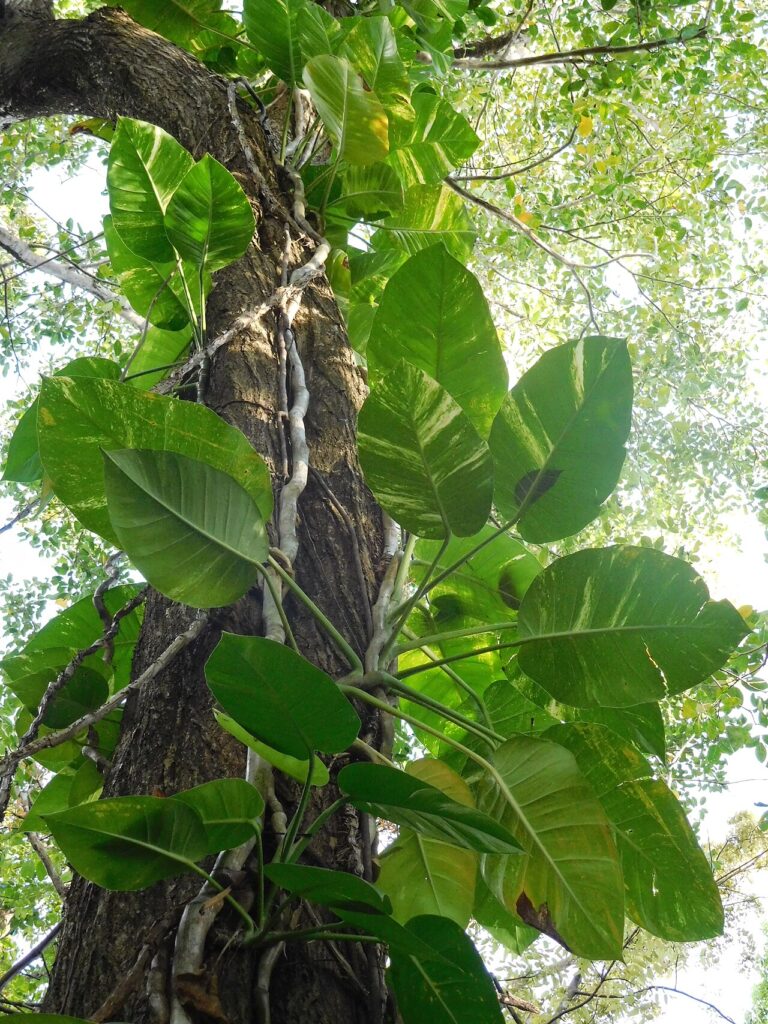
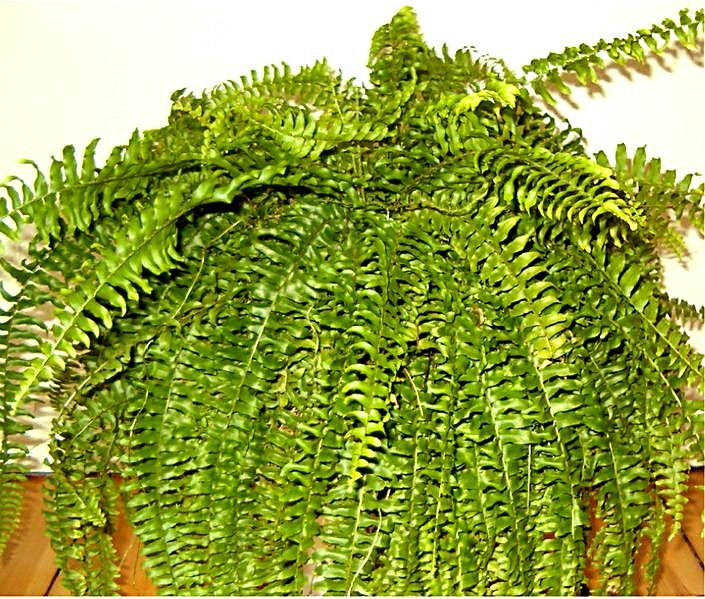
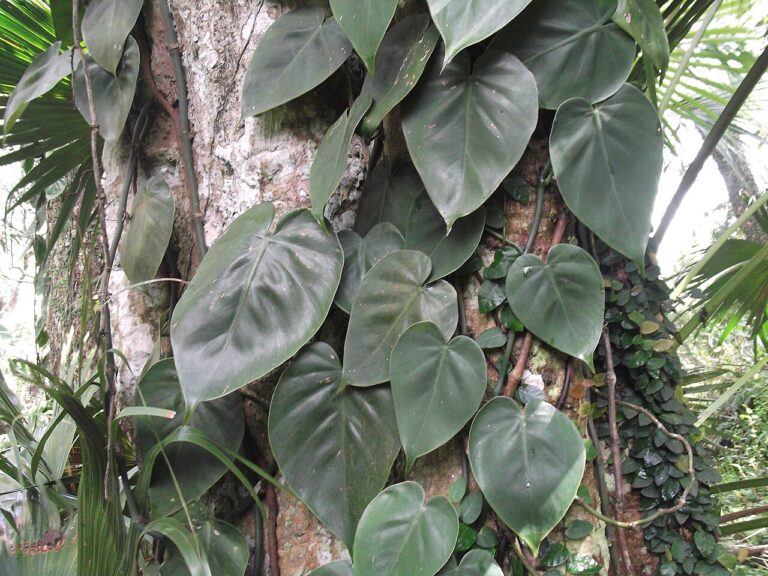
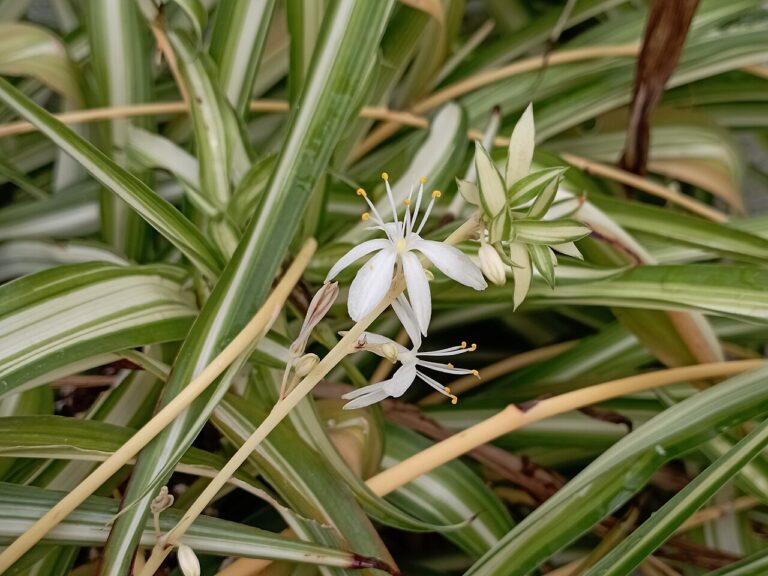
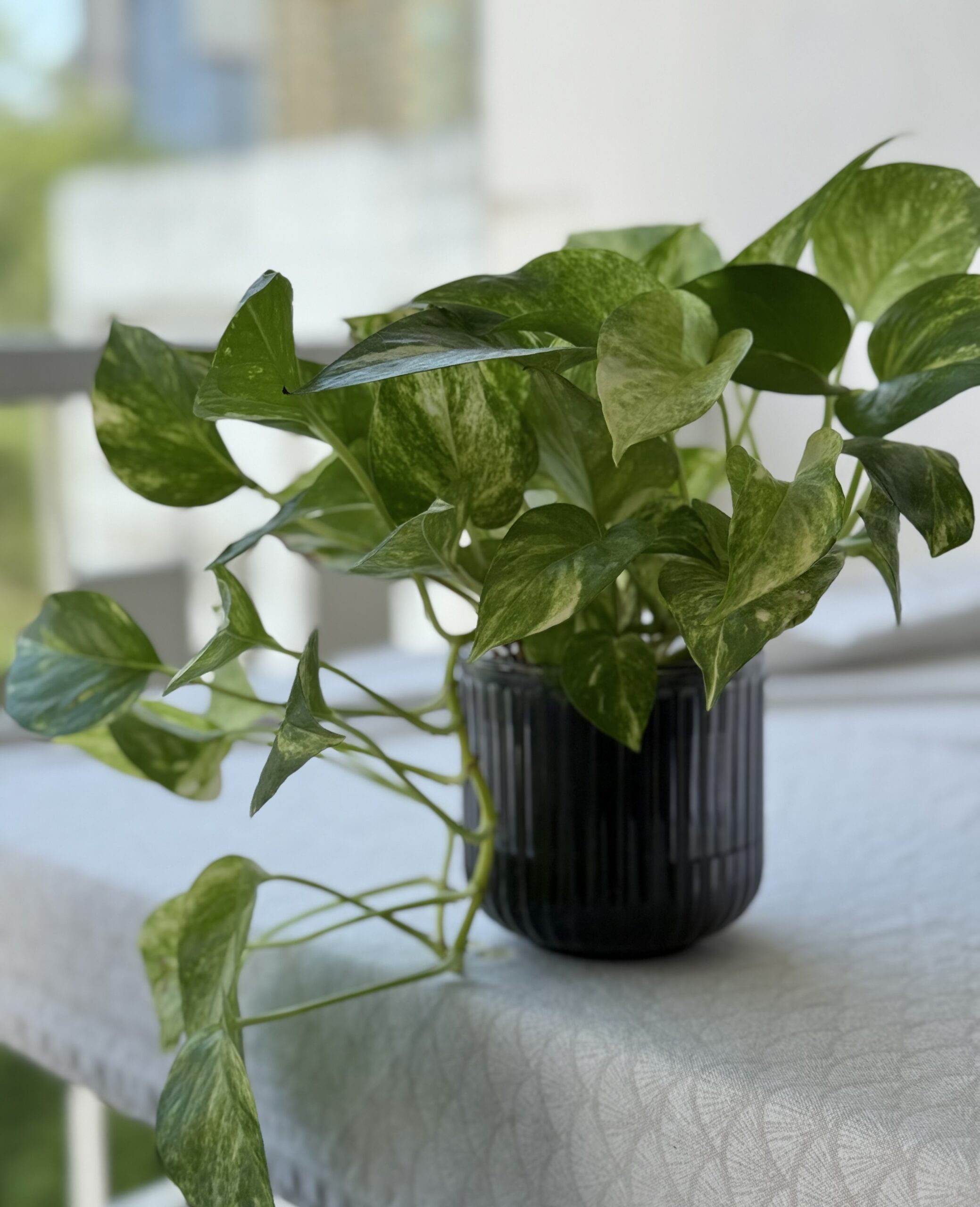
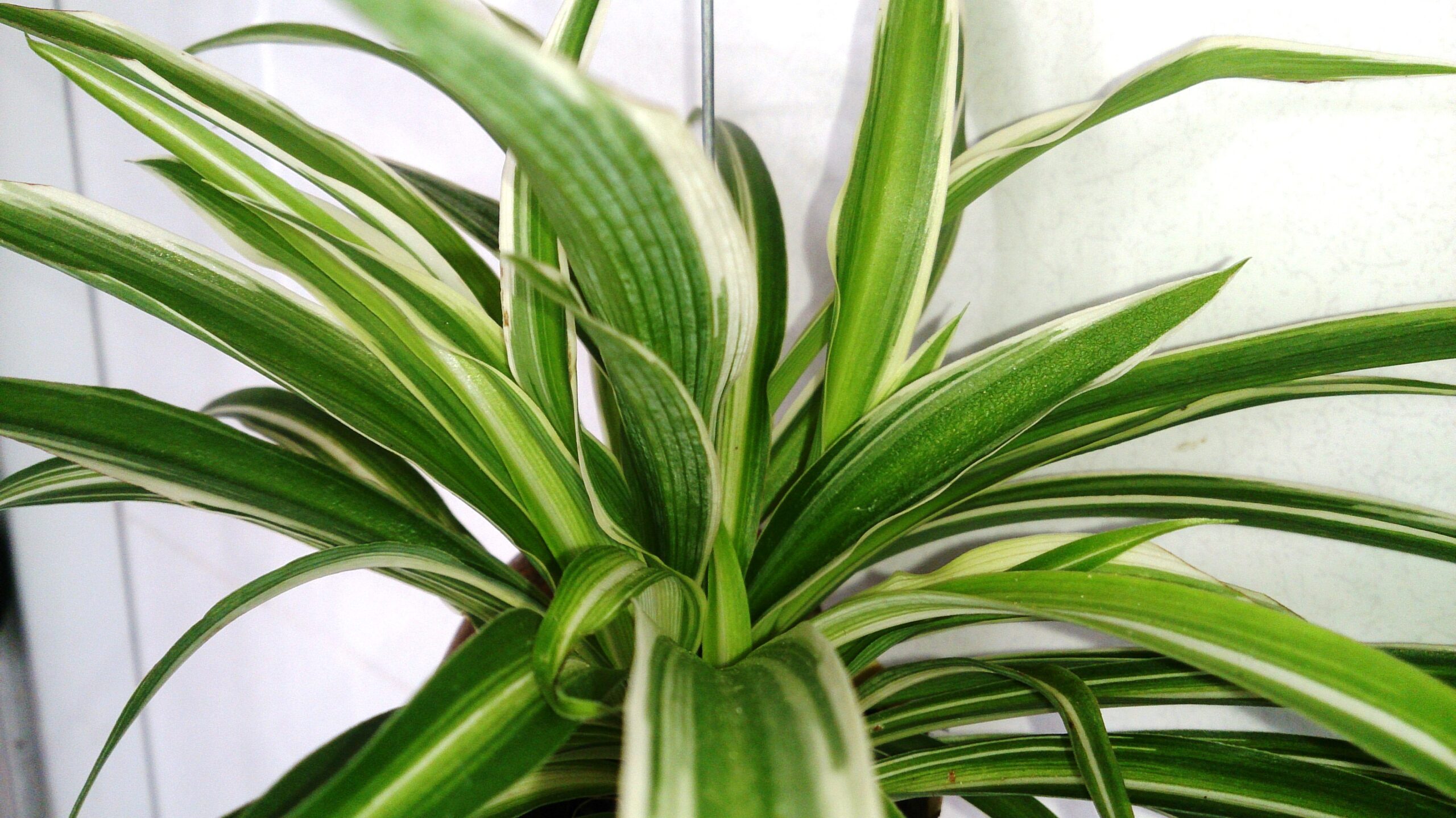
Light is the single biggest factor in success with hanging plants, since hanging baskets are often placed higher up, closer to ceilings or in corners where light is weaker than it appears. For bright, indirect light, string of pearls, string of hearts, and burro’s tail all do well and reward you with striking trailing foliage. For medium light, pothos, philodendron, and spider plants are nearly foolproof and tolerate a wide range of conditions. For lower light corners, English ivy and some ferns, like Boston fern, can manage, though growth will be slower and less full.
Watering Hanging Baskets
Hanging pots dry out faster than plants on a shelf or floor because they’re exposed to more air circulation on all sides. Check the soil moisture by feel rather than on a fixed schedule — most trailing houseplants prefer to dry out somewhat between waterings, while a few, like ferns, prefer consistently moist (not soggy) soil. Water until it runs from the drainage hole, and consider taking the basket down to a sink to water thoroughly rather than watering in place, which often leaves the root ball only partially moistened.
Potting and Support
Use a pot with drainage holes and a well-draining potting mix suited to the species — succulent varieties like string of pearls need a gritty, fast-draining mix, while tropical trailers like pothos do fine in standard potting soil. Make sure the hanging hardware and ceiling anchor can support the weight of the pot once soil and foliage are fully saturated with water, which can be considerably heavier than it looks when dry.
Common Mistakes
- Overwatering: The most common cause of decline in trailing plants; always check soil moisture before adding water.
- Ignoring rotation: Hanging plants often grow toward their light source; rotate the pot occasionally for even, full growth.
- Skipping pruning: Leggy, bare stems can be trimmed back to encourage bushier new growth from the base.
- Forgetting fertilizer: Trailing plants in hanging baskets have limited soil volume and benefit from regular light feeding during the growing season.
With the right plant matched to your light conditions and a bit of attention to watering, hanging plants are an easy, low-maintenance way to add vertical greenery to any room.
This article may contain affiliate links. If you purchase a product through one of these links, Plantgecko may earn a commission at no extra cost to you. This never influences our editorial independence or which products we recommend.