Best Hanging Plants for Bright Windows
Trailing plants make a bright window feel finished, softening hard edges with cascades of foliage. Most popular hanging plants are forgiving as long as you match them to the right amount of light, since “bright” can mean anything from a sheer curtain a few feet from an east window to a few hours of direct sun on a south-facing sill. Here are five reliable choices and how to keep them thriving.
String of Pearls
This succulent’s bead-like leaves store water, so it needs bright light — ideally a few hours of direct morning or evening sun — to keep its pearls plump and prevent stretching. Let the soil dry out completely between waterings and use a fast-draining cactus mix; overwatering is the most common way to lose this plant, causing the pearls to turn translucent and mushy.
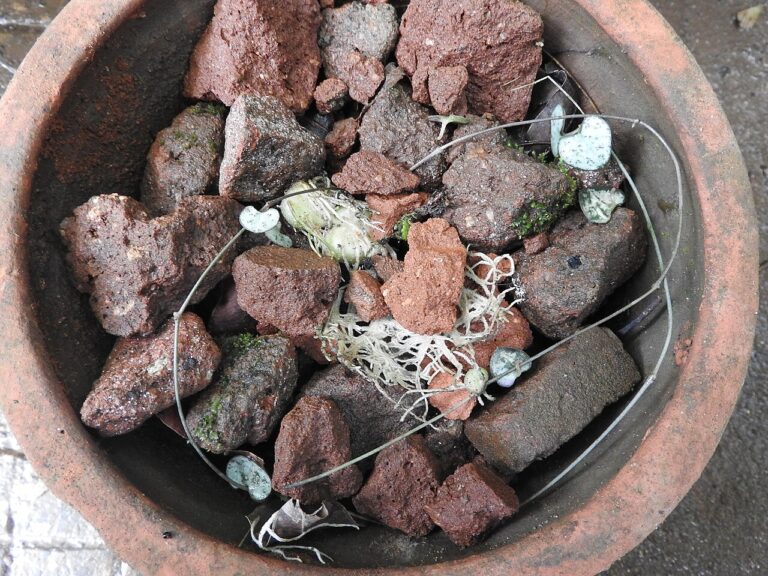
String of Hearts
String of hearts tolerates a wider range of light than string of pearls but colors up best — developing that marbled pink-and-silver patterning — with several hours of bright, direct or filtered sun. It grows from a small tuber and stores water in its leaves, so treat it like a succulent: water thoroughly, then let the mix dry out almost entirely before watering again.
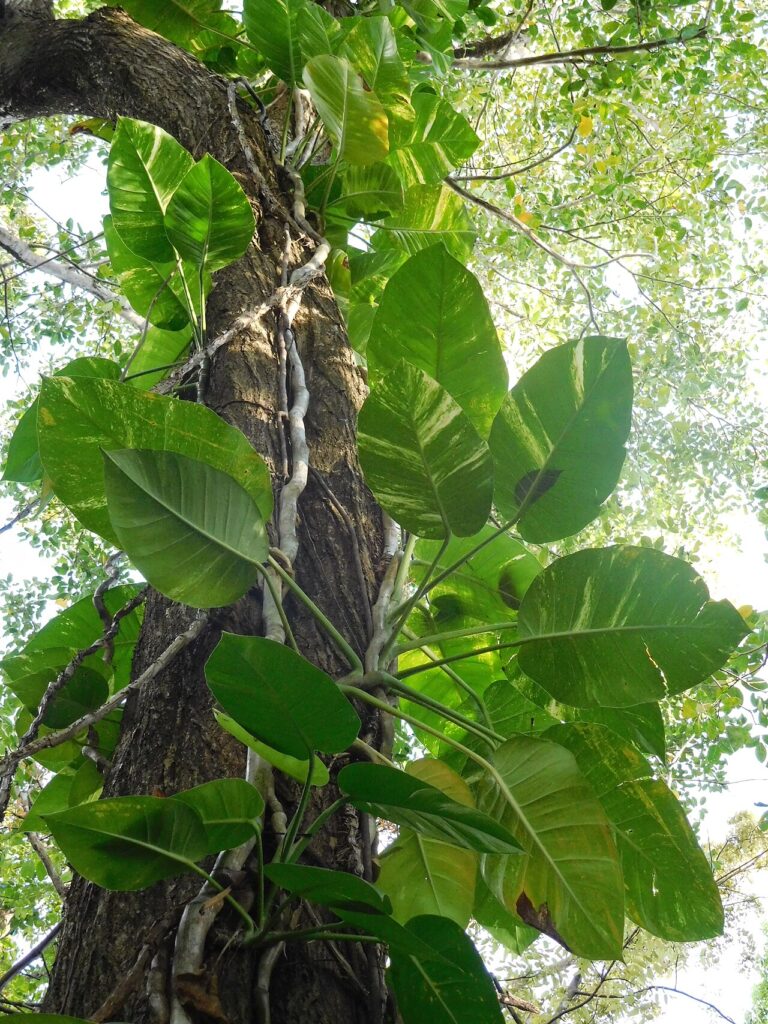
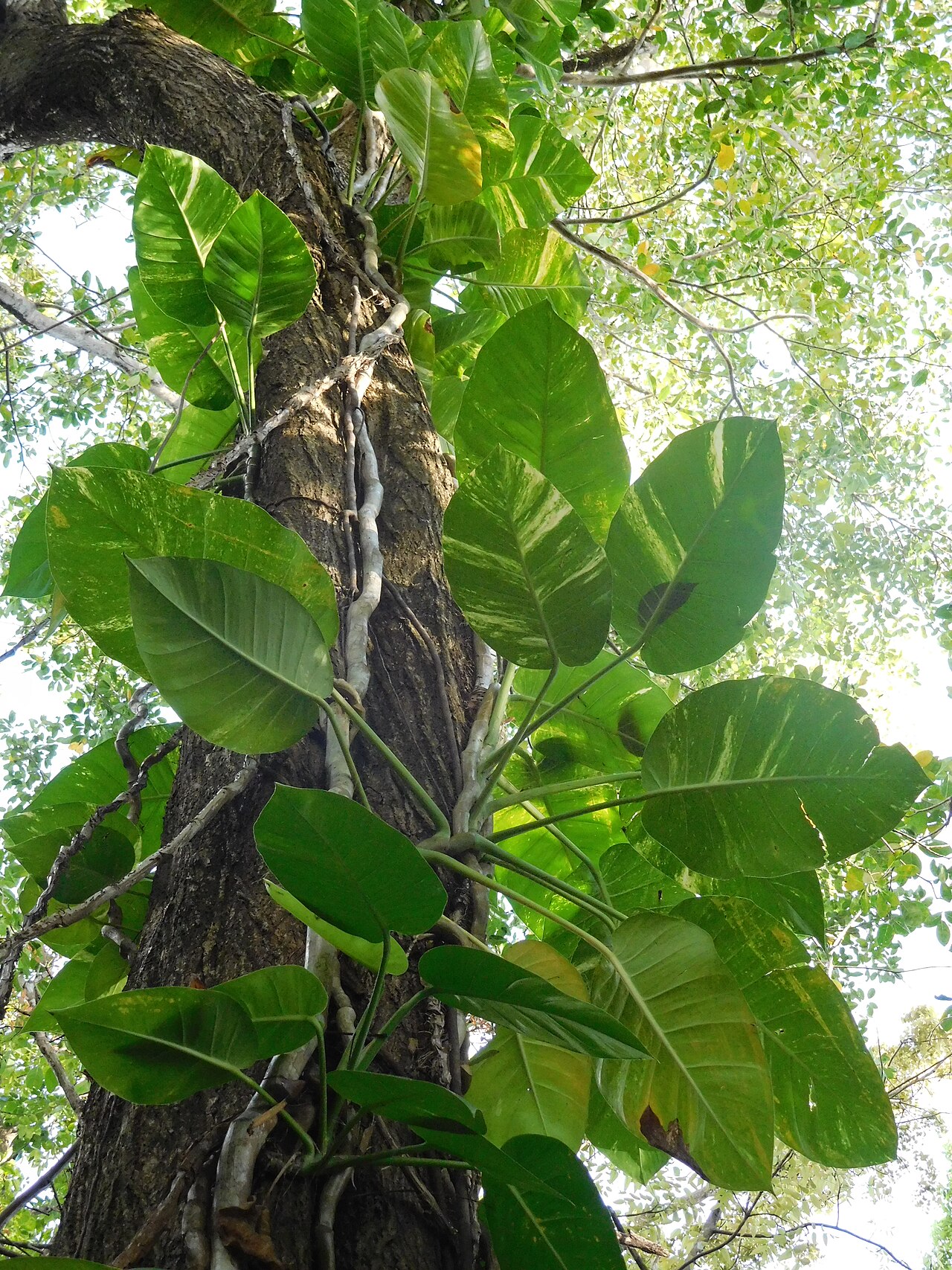
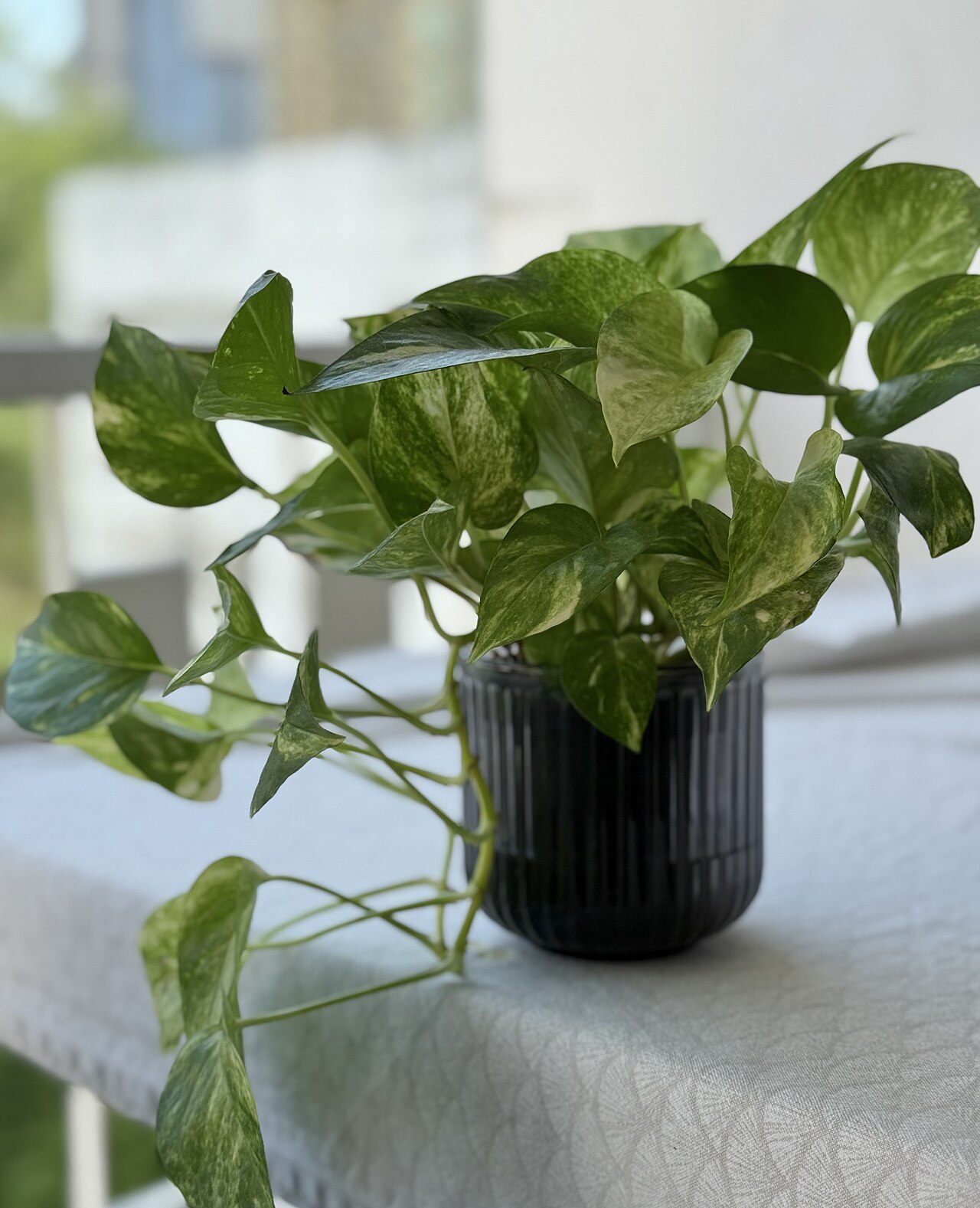
Pothos
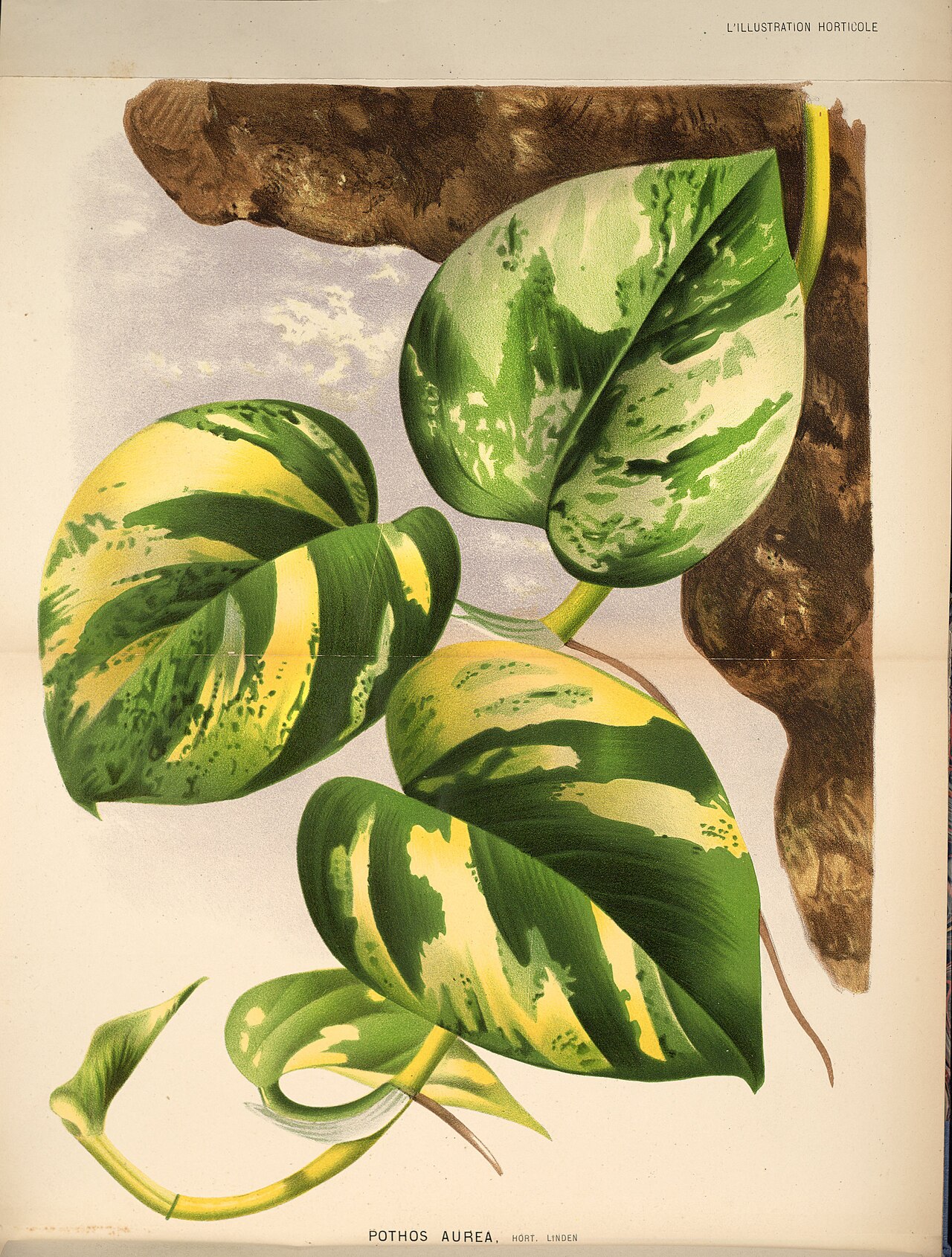
Pothos is one of the most adaptable trailing plants and does well in bright indirect light, though variegated varieties like ‘Marble Queen’ or ‘Njoy’ need brighter conditions to hold their pattern instead of reverting to solid green. Avoid direct midday sun, which can scorch the leaves. Water when the top inch or two of soil is dry, and trim leggy vines to encourage bushier growth.
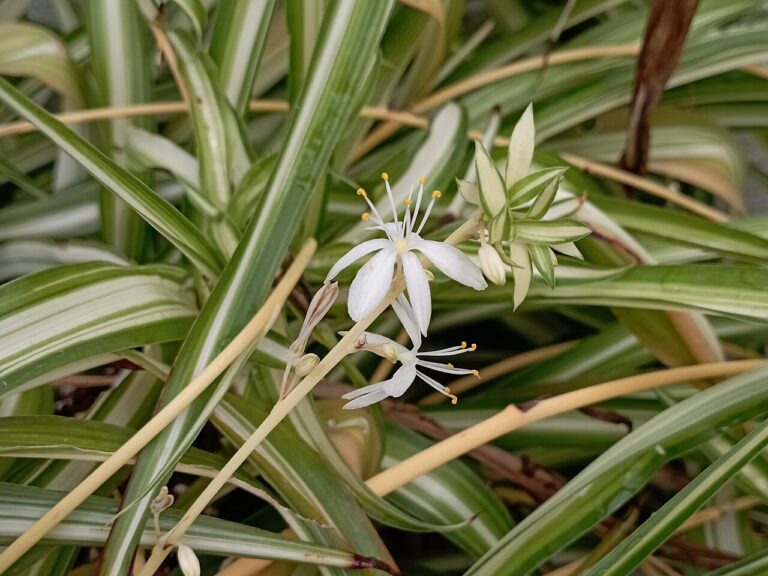
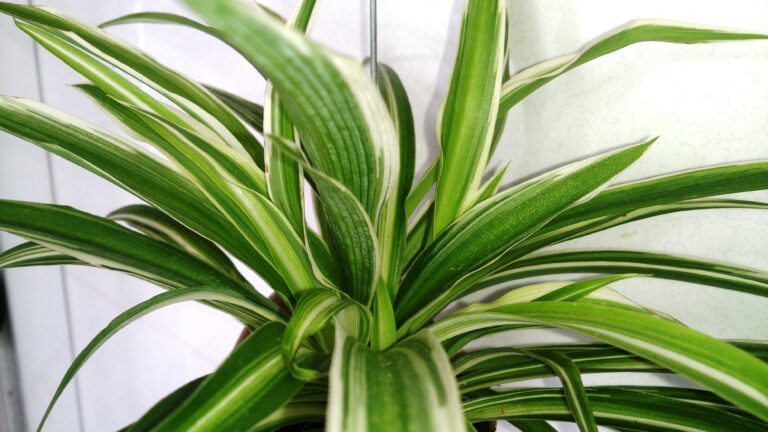
Spider Plant
Spider plants are famously easy-going, handling bright indirect light and even some direct sun, though intense afternoon rays can bleach or brown the leaf tips. They like to dry out slightly between waterings and readily send out plantlets on long stems once mature, which you can root in water or soil to propagate more plants for free.
Burro’s Tail
Burro’s tail (also called donkey’s tail) has plump, trailing succulent leaves that need bright light, including some direct sun, to stay compact and full. The leaves are extremely delicate and drop at the slightest touch, so hang it somewhere it won’t be brushed against, and water only once the soil has dried out completely, as with any succulent.
Matching Plant to Window
- South or west-facing window with several hours of direct sun: string of pearls, burro’s tail, string of hearts.
- Bright indirect light, no direct sun: pothos, spider plant.
- Rotate pots occasionally so trailing growth develops evenly instead of leaning toward the light source.
- Use hanging pots with drainage holes and a saucer or cachepot, since trapped water at the root ball is a common cause of rot in hanging displays.
If a trailing plant starts stretching with long gaps between leaves, that’s a sign it needs more light rather than more water. Moving it a little closer to the window, or swapping it with a plant that tolerates lower light, usually solves the problem within a few weeks of new growth.
Comparison: Best Hanging Plants to Buy
Four reliable trailing species from above, compared for quick shopping.
| Product | Price Tier | Key Differentiator | Best For |
|---|---|---|---|
| String of Pearls | $$ | Bead-like leaves store water; needs bright direct sun to stay plump | South- or west-facing windows with direct sun |
| String of Hearts | $$ | Marbled pink-and-silver foliage colors up best in bright light | Bright, filtered-light hanging baskets |
| Burro’s Tail | $$ | Extremely delicate trailing succulent leaves | Undisturbed spots away from foot traffic |
| Pothos | $ | Most adaptable of the group; tolerates indirect light too | Beginners wanting a forgiving trailing plant |