Pot Size, Drainage, and Substrate: The Perfect Combination for Repotting
Repotting is more than just moving a plant into a bigger pot. The right combination of pot size, drainage, and substrate determines whether your plant thrives in its new home or struggles. Here’s how to find the perfect combination and avoid the most common mistakes.
The Right Pot Size: The Goldilocks Principle
The new pot needs to be just right: neither too small nor too large. If it’s too small, the plant will run out of room again within a few weeks and need repotting once more. If it’s too large, the excess soil that roots haven’t reached yet stays wet and starts to rot.
The tried-and-tested rule: the new pot should be two to four centimeters larger in diameter than the old one. For an old pot with a 15-centimeter diameter, a new pot of 18 to 20 centimeters is ideal.
Why is “too big” such a problem? Soil without roots doesn’t dry out. Water from watering just sits there, the soil turns sour, and rot-causing bacteria multiply. Roots that grow into this waterlogged zone rot away, and the plant actually grows more slowly than it would in a snugger pot, because it has to spend energy regenerating damaged roots.
Exceptions to the Size Rule
Fast-growing plants such as bananas, canna lilies, or vigorous philodendrons tolerate — and need — bigger jumps in pot size. They can fill even a noticeably larger pot with roots within just a few months.
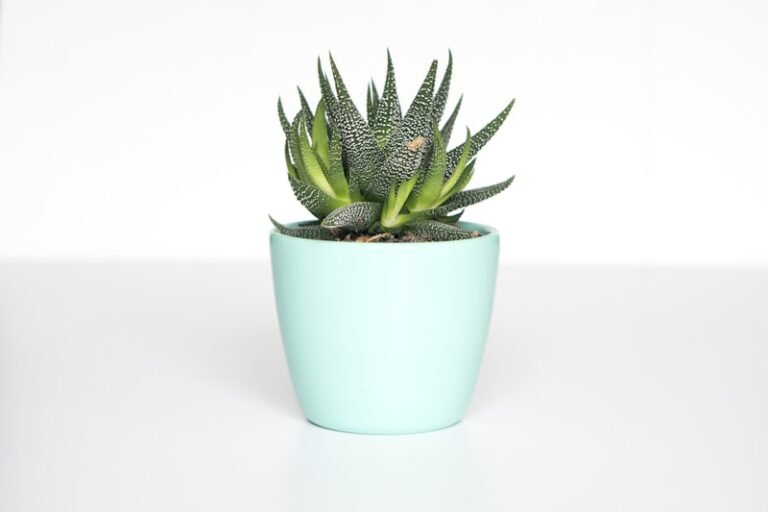
Succulents and cacti, on the other hand, prefer snug pots. They grow slowly and are naturally adapted to cramped root conditions. For them, an oversized pot means months of wet feet, their biggest enemy.
Climbing plants with aerial roots, such as monstera and pothos, are less sensitive because they also absorb water and nutrients through their aerial roots. They forgive a slightly oversized pot more readily than plants that rely purely on their root system.
Pot Material and Its Effect
The material affects water evaporation and therefore your watering routine:
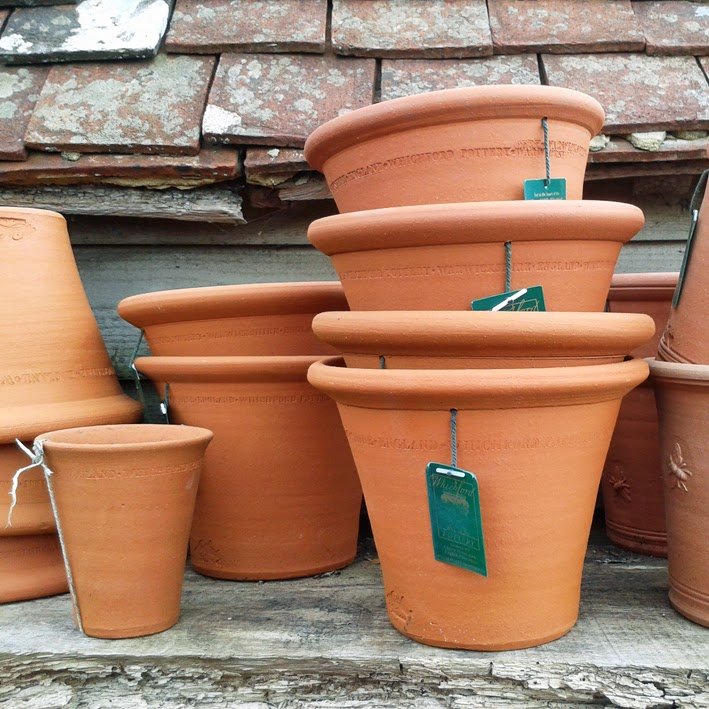
Terracotta is porous and lets excess moisture evaporate. You’ll need to water more often, but the risk of waterlogging is lower. It’s ideal for plants that dislike wet feet, and for anyone prone to overwatering.
Plastic retains moisture longer and is lighter in weight, meaning less frequent watering but a higher risk of waterlogging. It’s ideal for thirsty plants and for anyone who would rather underwater than overwater.
Glazed ceramic behaves similarly to plastic: it’s watertight. It’s perfect as a decorative outer pot, but if you plant directly into it, you absolutely need a drainage hole.
The best combination for most plants is a functional plastic or terracotta pot with drainage holes as the actual planting pot, combined with an attractive ceramic, basket, or metal cover pot.
Setting Up Perfect Drainage
The drainage layer isn’t an optional extra, it’s essential, and consists of at least two components:
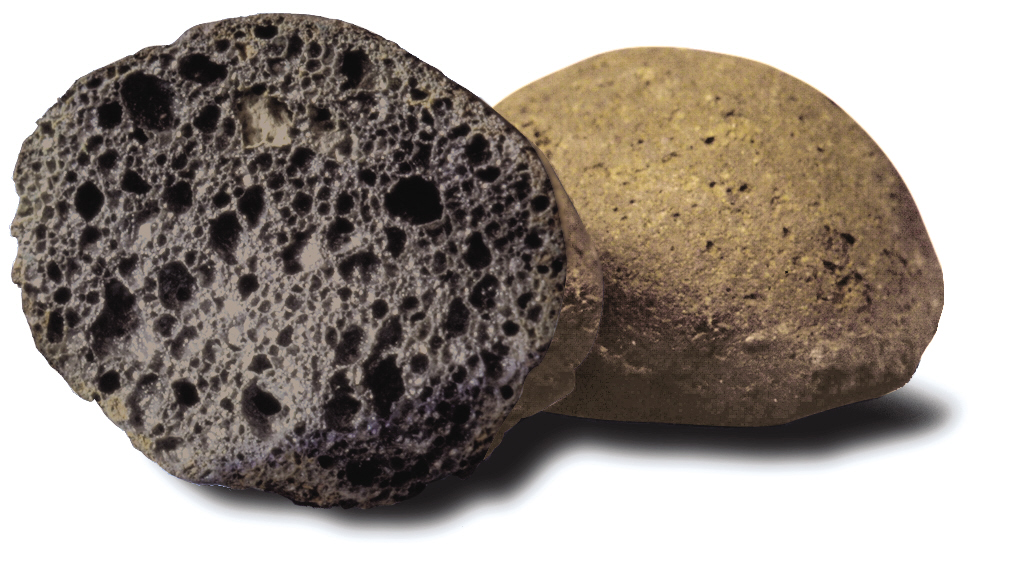
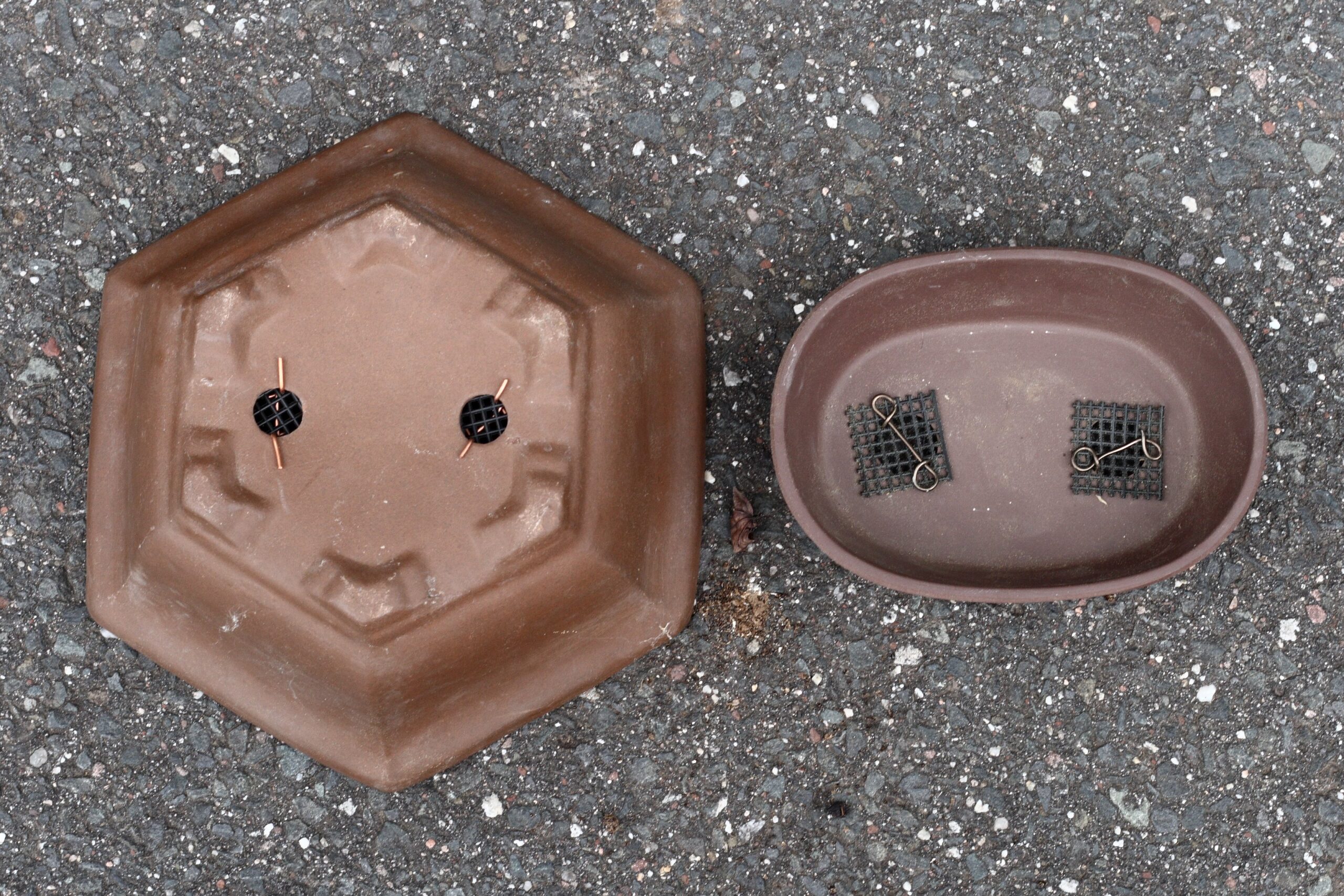
The drainage layer itself: expanded clay pebbles, two to five centimeters deep at the bottom of the pot. It stops soil from clogging the drainage hole and creates a buffer for excess water to drain into.
The drainage fleece: a permeable fleece placed between the clay pebbles and the soil. It stops fine soil particles from trickling into the drainage layer and rendering it useless. In a pinch, a coffee filter or a piece of window screen works too.
The most common mistake is skipping the drainage layer because the pot already has a hole. Without it, soil settles directly onto the hole and clogs it within a few weeks. Water can no longer drain away, and the plant ends up sitting in a swamp.
The Right Substrate for Repotting
Fresh potting soil is essential when repotting. Reusing old soil is risky: it’s depleted of nutrients, may contain fungal spores and pest eggs, and has lost its structure.
Which soil is right depends on the plant. For most green houseplants, use high-quality, peat-free potting soil loosened with about 20 percent perlite, which improves drainage and prevents compaction.
Succulents and cacti need a mineral-based substrate with a high proportion of sand and pumice. Orchids need coarse bark, while seed starting calls for low-nutrient seed compost.
If needed, mix the fresh soil with slow-release fertilizer granules. This gives the repotted plant a baseline nutrient supply for the coming months without you needing to fertilize right away.
Refreshing the Soil Without Repotting
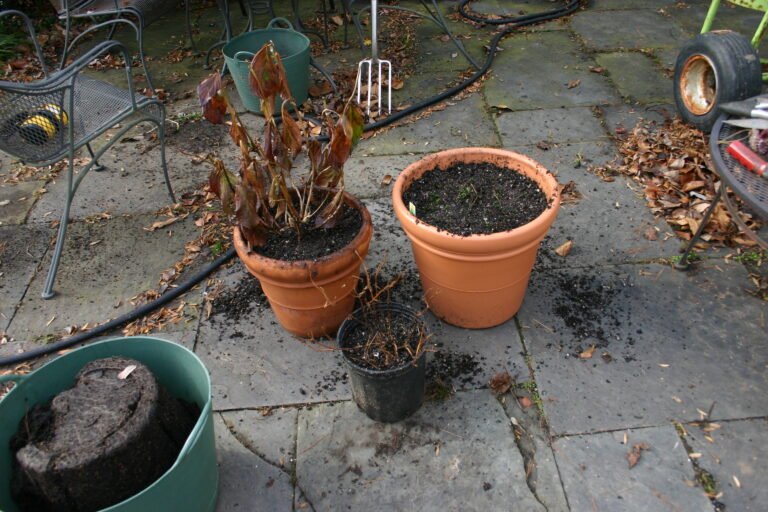
If the pot is still big enough but the soil looks depleted or compacted, a partial soil swap is enough. Remove the top three to five centimeters of soil and replace it with fresh soil. Loosen the surface first with a fork — compacted soil hardens like concrete and stops water from getting through.
This method is ideal for large plants in heavy containers that you don’t want to repot constantly. Refreshing the top layer once a year keeps the substrate fresh for longer and supplies the plant with new nutrients.
The Most Common Repotting Mistakes
- Pot too large: the number one repotting mistake. Better one centimeter too small than five centimeters too big.
- No drainage: every planting pot needs holes and a drainage layer, without exception.
- Wrong soil: garden soil in a flowerpot compacts and suffocates roots. Always use potting soil made for houseplants.
- Packed down too firmly: soil should hold the roots in place, not choke them. Press gently, don’t stamp it down.
- Fertilizing immediately: fresh potting soil already contains nutrients for six to eight weeks, so wait before fertilizing.
- Too much sun right after repotting: stressed roots can’t meet the increased water demand in the sun, so the plant wilts and can get sunburned.
Conclusion
The perfect repotting combination is a pot only slightly larger, with good drainage made from expanded clay and fleece, filled with fresh soil suited to the plant, followed by two weeks of reduced light and no fertilizer. With this routine, there’s nothing left to get wrong when repotting.
This article may contain affiliate links. If you purchase a product through one of these links, Plantgecko may earn a commission at no extra cost to you. This never influences our editorial independence or which products we recommend.