Coneflower (Echinacea): The Hardy Prairie Perennial with Healing Power
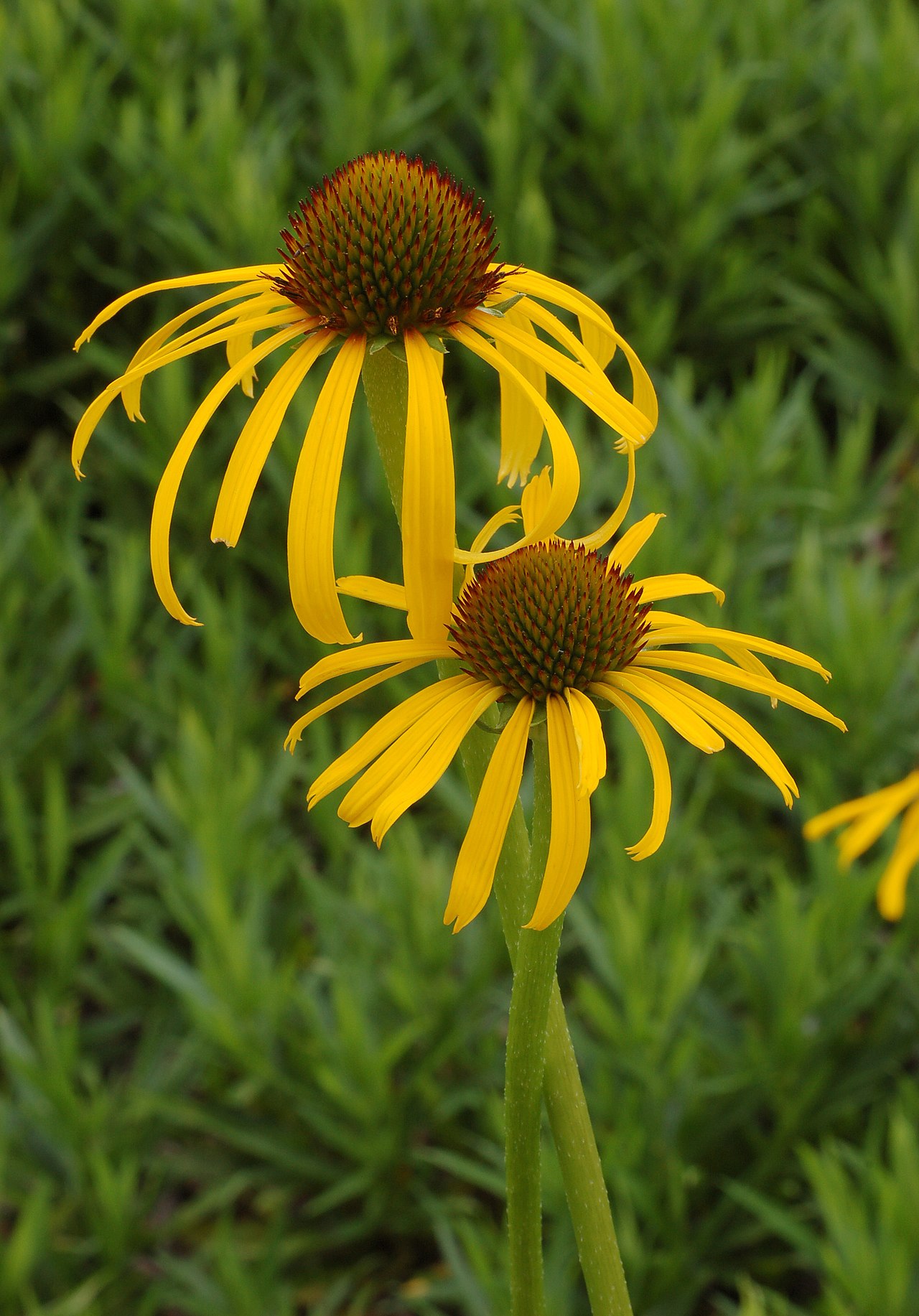
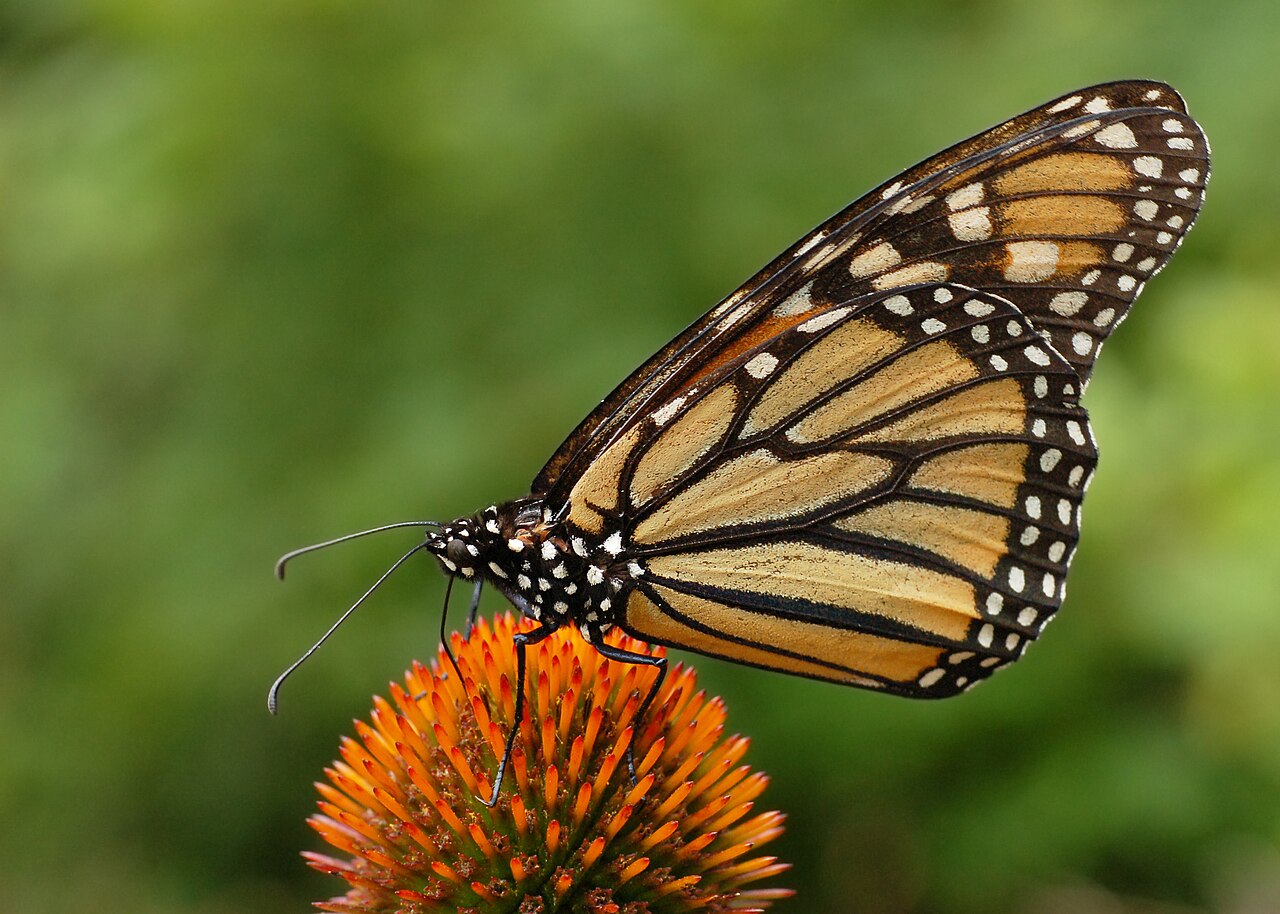
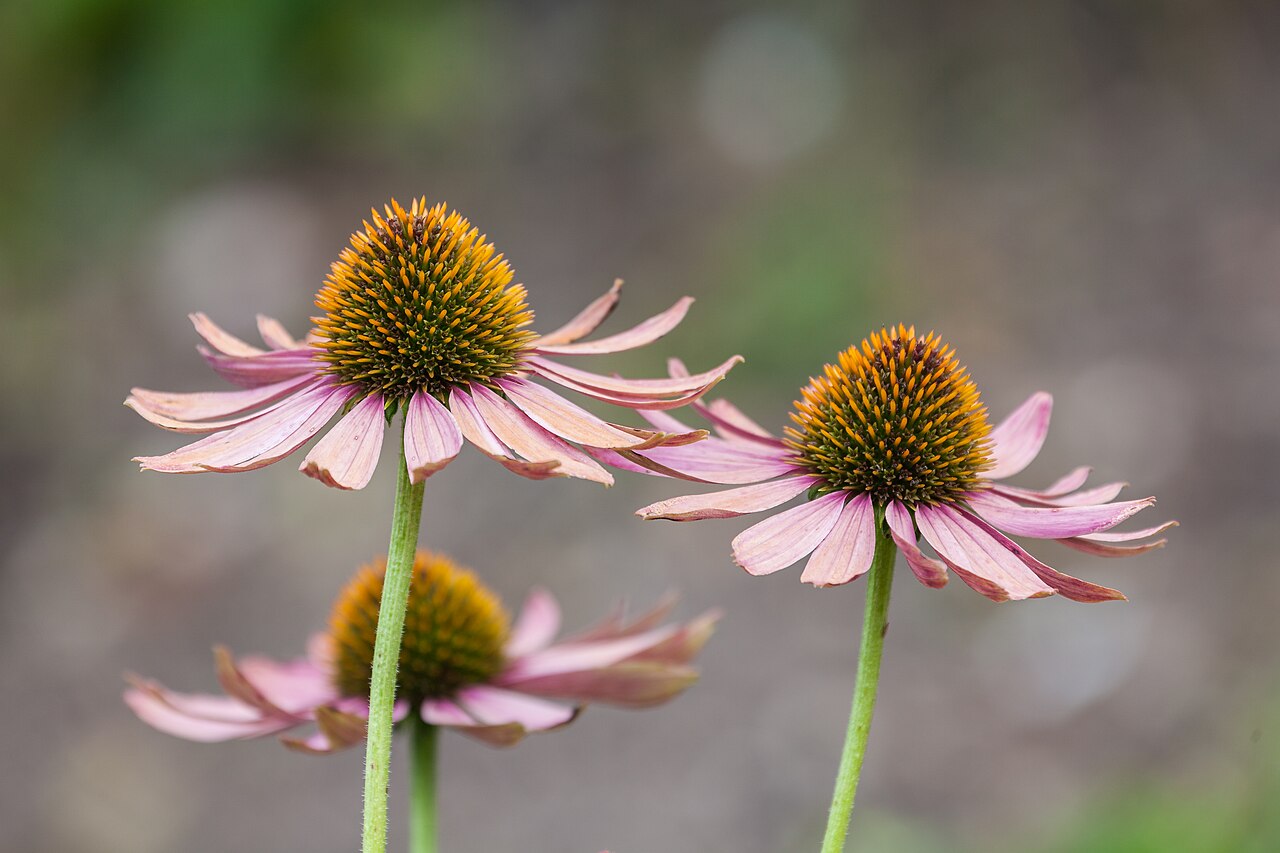
The coneflower (Echinacea purpurea), also known as purple coneflower, is a North American prairie perennial that has long since earned a permanent place in European gardens. With its striking purple flower heads and distinctive, spiky center, it’s a real eye-catcher — and a valuable medicinal plant at the same time.
Botanical Features and Growth
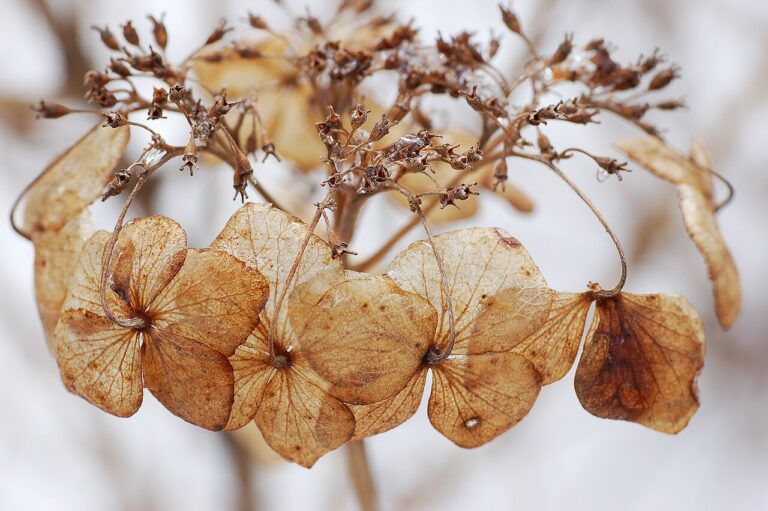
Echinacea purpurea reaches a height of 80 to 120 centimeters (about 2.5 to 4 feet) and forms upright, sturdy stems with dark green, lance-shaped leaves. It blooms from July to September. Each flower head is made up of purple, slightly drooping ray florets surrounding a dark brown to orange center cone — a cone that resembles a small hedgehog, which is where the plant gets one of its common names. After flowering, decorative seed heads form; they stay attractive through winter and provide food for birds.
Site Requirements and Care
Coneflowers prefer full sun to partial shade and thrive best in nutrient-rich, well-draining soil. Once established, they’re remarkably drought-tolerant, a legacy of their prairie origins. Regularly deadheading spent blooms significantly extends the flowering period. Cut plants back only in late winter or early spring, so the seed heads remain as a structural feature in the bed through winter and offer shelter for insects.
Medicinal Use and Garden Value
Echinacea is one of the best-known medicinal plants for supporting the immune system. In herbal medicine, both the root and the above-ground parts are used, mainly to help prevent and treat colds. Scientific studies support its immune-stimulating effects, particularly for alcohol-based extracts made from the fresh plant. In the garden, coneflower pairs beautifully with other prairie perennials such as bee balm (Monarda), sneezeweed (Helenium), or blazing star (Liatris). Combining it with yellow black-eyed Susans or blue globe thistles creates an especially harmonious prairie-style bed. It also makes an excellent cut flower, staying fresh in a vase for up to two weeks.