When and How Often to Fertilize: A Seasonal Feeding Calendar for Houseplants
Fertilizer supplies the nutrients that potted plants can no longer draw from a large volume of natural soil. Getting the timing right matters just as much as the product you choose — feeding on a schedule that matches a plant’s natural growth cycle prevents both nutrient deficiencies and the far more common problem of over-fertilizing.
Understanding the Growing Seasons
Most houseplants, including tropical foliage plants, follow a seasonal growth rhythm driven primarily by day length and light intensity rather than the calendar date. Spring and summer bring longer days and more light, triggering active growth: new leaves, stems, and roots. Fall and winter bring shorter, dimmer days, and most plants slow down or enter dormancy, using far fewer nutrients even if you keep the room warm.
A Seasonal Feeding Calendar
- Early spring: As new growth resumes, begin feeding at half the label-recommended strength to ease plants back into feeding after winter.
- Late spring through summer: This is peak growing season for most houseplants. Feed every 2-4 weeks with a balanced liquid fertilizer at full or half strength, depending on the plant’s vigor and the product’s concentration.
- Early fall: Taper off, feeding every 6-8 weeks as growth naturally slows and day length shortens.
- Winter: Stop fertilizing most houseplants entirely, or feed at most once during the season at quarter strength. Dormant or slow-growing plants can’t use the extra nutrients, which simply build up in the soil.
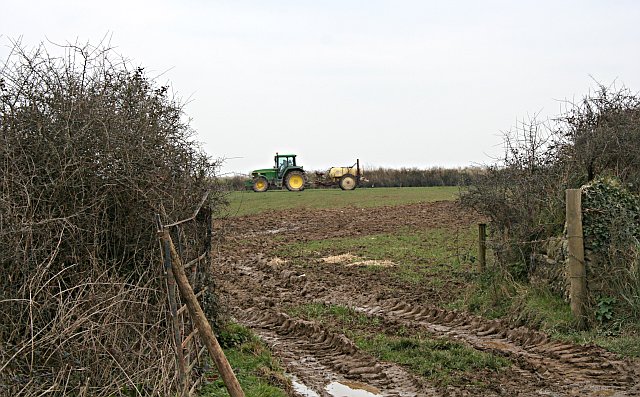
Flowering and fruiting plants, and outdoor garden plants, follow a somewhat different rhythm tied to bloom and harvest cycles — for example, feeding tomatoes with a phosphorus- and potassium-rich formula once flowering begins. Always check the specific needs of the species you’re growing.
Choosing a Fertilizer
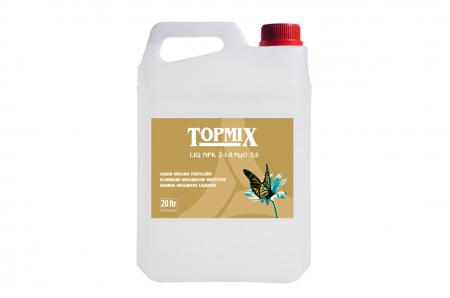
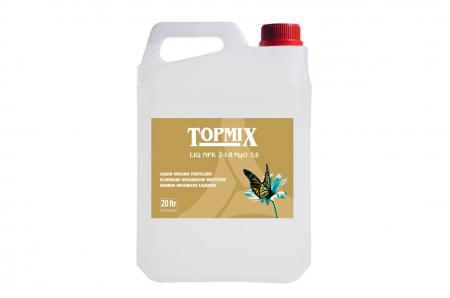
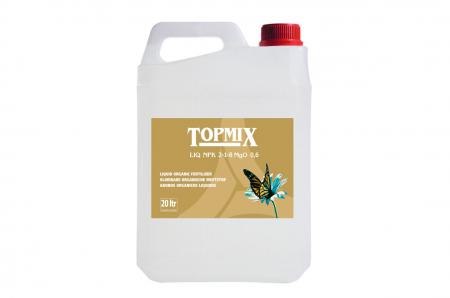
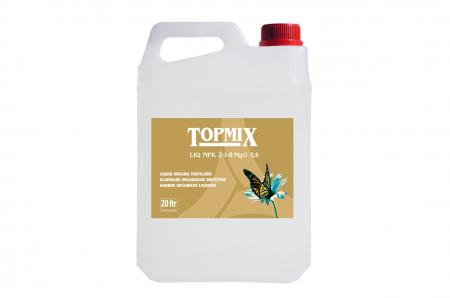
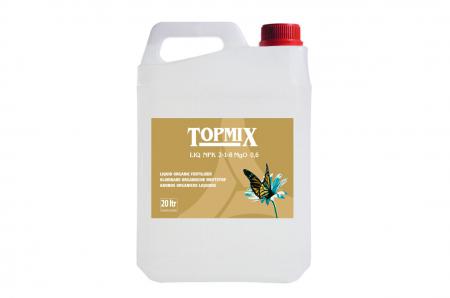
Fertilizer labels show three numbers (the N-P-K ratio) representing nitrogen, phosphorus, and potassium content. Nitrogen fuels leafy green growth, phosphorus supports roots and flowers, and potassium supports overall plant health and disease resistance. A balanced formula (such as 10-10-10 or 20-20-20) suits most foliage houseplants, while bloom-boosting formulas with higher phosphorus suit flowering plants during bud formation. Liquid fertilizers act quickly and are easy to dose precisely, while slow-release granules feed gradually over weeks or months, which is convenient but harder to adjust seasonally.
Signs of Over- and Under-Fertilizing
Over-fertilizing is far more common than under-fertilizing and causes salt buildup in the soil, visible as a white or yellowish crust on the soil surface or pot rim. Symptoms include brown, crispy leaf tips and edges, wilting despite moist soil, and stunted growth. If you suspect a buildup, flush the pot thoroughly with plain water to leach out excess salts, letting it drain completely.
Under-fertilized plants, by contrast, show slow growth, pale or yellowing older leaves (nitrogen is mobile and gets pulled from older growth first), and smaller-than-normal new leaves. A general rule worth remembering: it’s easier to correct a mild deficiency than to reverse fertilizer burn, so when in doubt, feed less often and at a lower dose than the label suggests.
This article may contain affiliate links. If you purchase a product through one of these links, Plantgecko may earn a commission at no extra cost to you. This never influences our editorial independence or which products we recommend.