Growing Mint in Pots: A Refreshing Variety for Balcony and Terrace
Mint is one of the most rewarding herbs a balcony or terrace gardener can grow, and keeping it in a pot is not just convenient – it is essential. Mint spreads through vigorous underground rhizomes that can quickly overrun a garden bed, so container growing keeps this fast-spreading herb well behaved while still giving you a steady supply of fragrant leaves for tea, cocktails, and cooking all season long.
Choosing a Variety
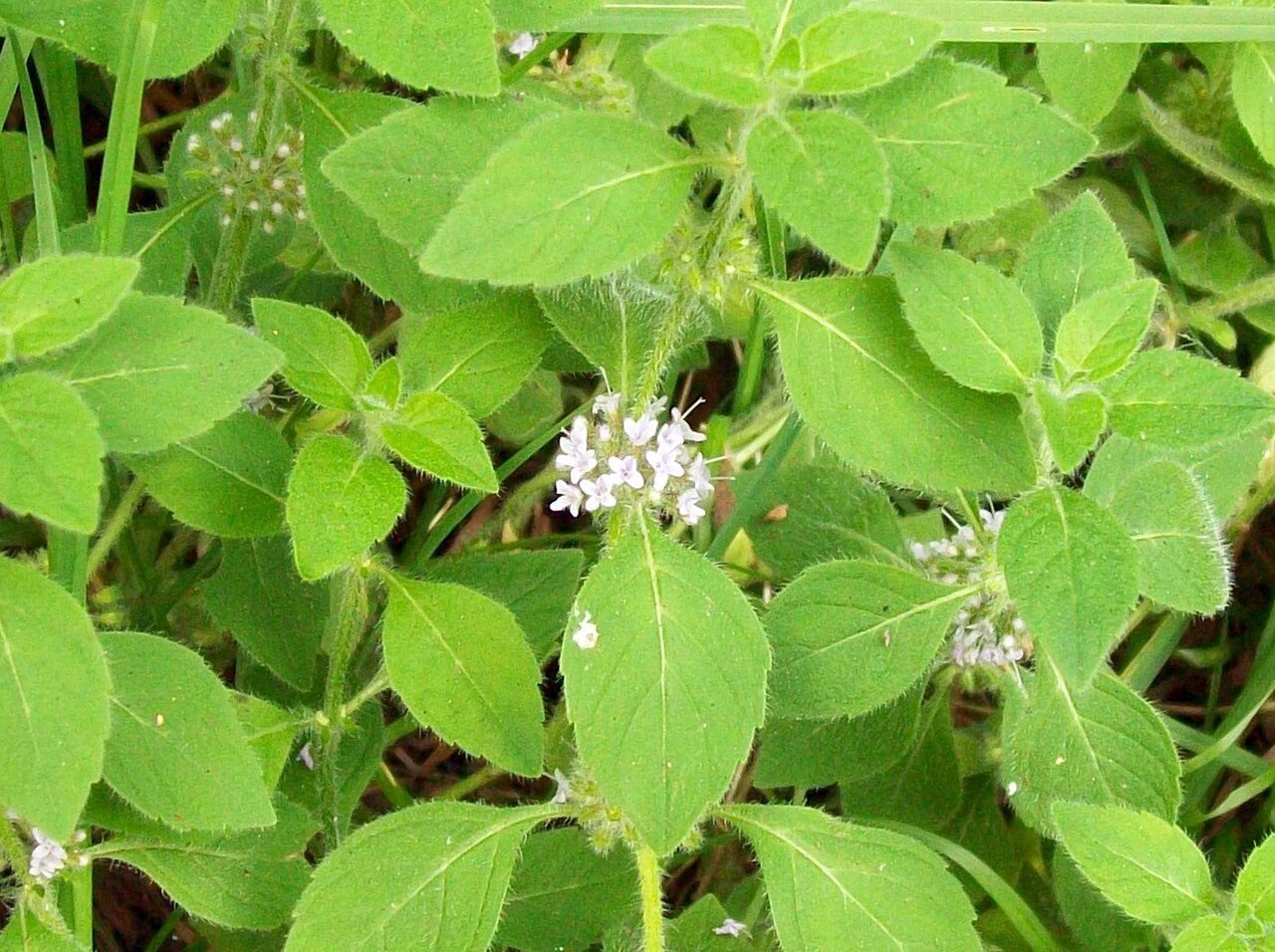
There are dozens of mint varieties suited to container life. Spearmint (Mentha spicata) is the classic culinary choice with a clean, sweet flavor. Peppermint (Mentha x piperita) has a sharper, more menthol-forward taste that is ideal for tea. For something different, try chocolate mint, apple mint, or pineapple mint, all of which bring subtle flavor twists to the same easy-care plant. Because mint varieties cross-pollinate and can lose their distinct flavor if grown from seed collected off other plants, it is best to start with a nursery plant or a rooted cutting of a named variety.
Light and Position
Mint grows best with four to six hours of sun a day. In hot climates, some afternoon shade prevents the leaves from scorching and keeps the soil from drying out too quickly; in cooler regions, a full-sun spot on a balcony railing works well. Good air circulation also helps prevent fungal issues like mint rust.
Soil and Potting
Use a good quality, peat-free potting mix enriched with compost. Mint is not fussy about soil pH, tolerating anything from slightly acidic to neutral, but it does appreciate soil that holds moisture without becoming waterlogged. Choose a pot at least 30 cm (12 inches) wide with generous drainage holes – mint’s roots grow quickly and a cramped pot will need dividing or repotting within a single season.
Watering and Feeding
Unlike Mediterranean herbs such as rosemary or thyme, mint likes consistently moist soil and will wilt dramatically if it dries out, though it usually recovers quickly once watered. Check the top two centimetres of soil daily in warm weather. Feed lightly with a balanced liquid fertilizer every four to six weeks during the growing season; too much nitrogen produces lush leaves with diminished flavor, so avoid overfeeding.
Harvesting and Maintenance
Regular harvesting is the secret to bushy, productive mint. Pinch or snip stems just above a leaf node to encourage branching rather than leggy, single-stemmed growth. Once the plant flowers, leaf flavor declines, so pinch off flower buds as they appear if continuous harvest is your goal, or let a few flowers open later in the season to attract pollinators.
Pests and Overwintering
Mint is relatively pest-resistant, though aphids and spider mites can appear in dry, stressed conditions – a strong blast of water or insecticidal soap usually solves the problem. In cold climates, potted mint can be moved to a sheltered spot, mulched, or brought indoors near a bright window for winter; the top growth may die back, but the roots will resprout readily in spring.
Propagation
Mint is famously easy to propagate: cut a 10 cm stem, remove the lower leaves, and place it in a glass of water. Roots typically appear within a week or two, and the cutting can then be potted up. Dividing an established clump every year or two also keeps plants vigorous and gives you extra pots to share.
Seasonal Adjustments
Mint’s needs shift noticeably through the year. In spring, as new growth accelerates, increase watering frequency and resume monthly feeding to support the flush of tender stems. Through peak summer heat, potted mint dries out fast, sometimes needing water daily in direct sun, so consider moving pots to a spot with afternoon shade to reduce stress and bolting to flower. In autumn, taper off feeding and allow the plant to slow naturally; a light trim before the first frost tidies growth and reduces the risk of fungal issues settling into damp, dying foliage over winter. If overwintering outdoors in a marginal climate, cluster pots together against a sheltered wall and add a layer of mulch or straw around the container to buffer root temperatures, since potted roots are more exposed to cold than those in open ground.
Frequently Asked Questions
Can I grow different mint varieties in the same pot?
It’s best to keep each mint variety in its own container. Mint spreads aggressively underground, and different varieties grown together will tangle roots and eventually cross in flavor and vigor, with the most vigorous type crowding out the others within a season or two.
Why does my potted mint smell weaker than expected?
Overfeeding, especially with high-nitrogen fertilizer, produces lush leafy growth with diluted aromatic oils. Cutting back on feeding and giving the plant plenty of direct light usually restores a stronger scent and flavor.
Does mint need a bigger pot than other herbs?
Yes. Mint’s vigorous, fast-spreading root system outgrows small pots quickly compared with slower herbs like thyme or rosemary. A 30 cm (12 inch) or larger container gives it room to establish before it becomes rootbound and needs dividing.
Can mint survive winter outdoors in a pot?
In many temperate climates, potted mint can survive winter with the top growth dying back, especially if the pot is insulated with mulch or moved to a sheltered spot such as against a house wall. In very cold regions, bringing the pot indoors or into an unheated garage is safer.