Best Grow Lights 2026: LED Grow Lights for Lush Growth
Best Grow Lights 2026: LED Grow Lights for Lush Growth
Especially during the dark winter months, houseplants suffer from a lack of light. Days are short, the sun sits low, and even a south-facing window often doesn’t provide enough light intensity. Grow lights supply the light spectrum plants need and support healthy growth, vivid color, and lush blooms all year round. In this guide, we present the best grow lights of 2026 and explain what to look for when buying one.
Why Do Plants Need Special Light?
Plants use light for photosynthesis — but not the entire light spectrum. The chlorophyll molecules in leaves mainly absorb red light (640–680 nm) and blue light (430–460 nm). Green light is reflected, which is why plants appear green. Ordinary household bulbs emit mostly in the yellow-green range, which plants can barely use. Dedicated grow lights focus on photosynthetically active radiation (PAR) and deliver exactly the wavelengths plants need to grow.
LED Grow Lights: The Technology of Choice
LED grow lights have almost entirely replaced older fluorescent and sodium-vapor lamp technology. The advantages are compelling: extremely low power consumption (80% less than sodium-vapor lamps), a long lifespan (50,000+ hours), low heat output (no risk of scorching leaves), a compact design, and a precisely adjustable light spectrum. Modern full-spectrum LEDs cover the entire PAR spectrum and appear to the human eye as pleasant warm-white or neutral-white light — without the purple glow of the first generation of LEDs.
Getting the Light Intensity Right: Lumens, Lux, and PAR
For plant lighting, lumens and lux are less useful than the PPFD value (Photosynthetic Photon Flux Density), measured in micromoles per square meter per second (µmol/m²/s). As a rule of thumb: low-light plants like ferns and peace lilies need 50–100 µmol/m²/s, medium-light plants like monstera and philodendron need 100–300 µmol/m²/s, high-light plants like succulents and herbs need 300–600 µmol/m²/s, and professional propagation and flowering call for 600–1000+ µmol/m²/s. Good LED grow lights list their PPFD value at various distances — a helpful reference when buying.
Recommended Products
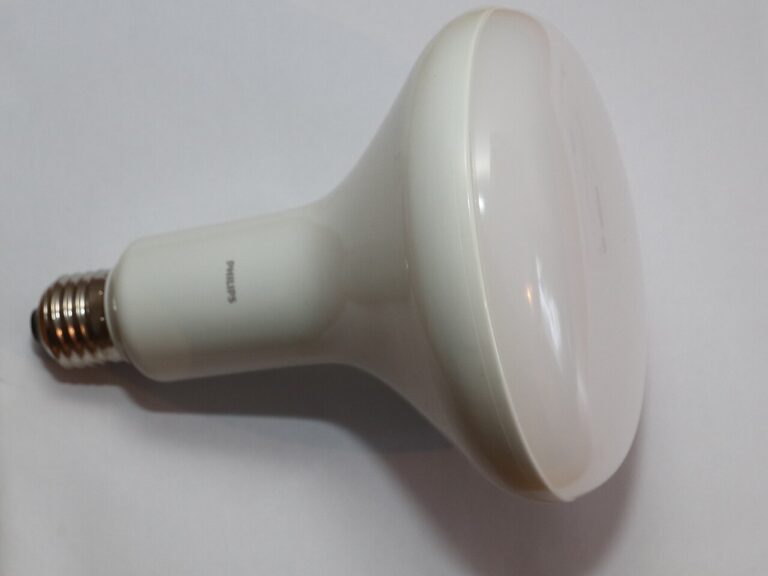
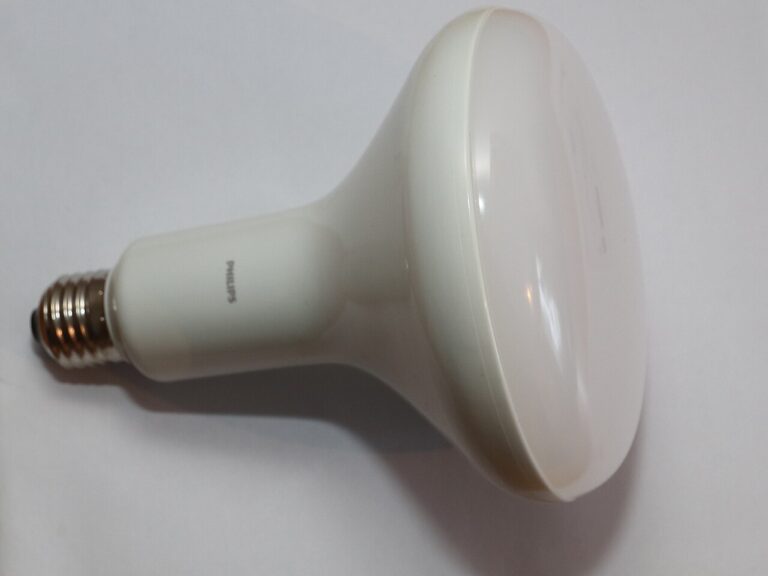
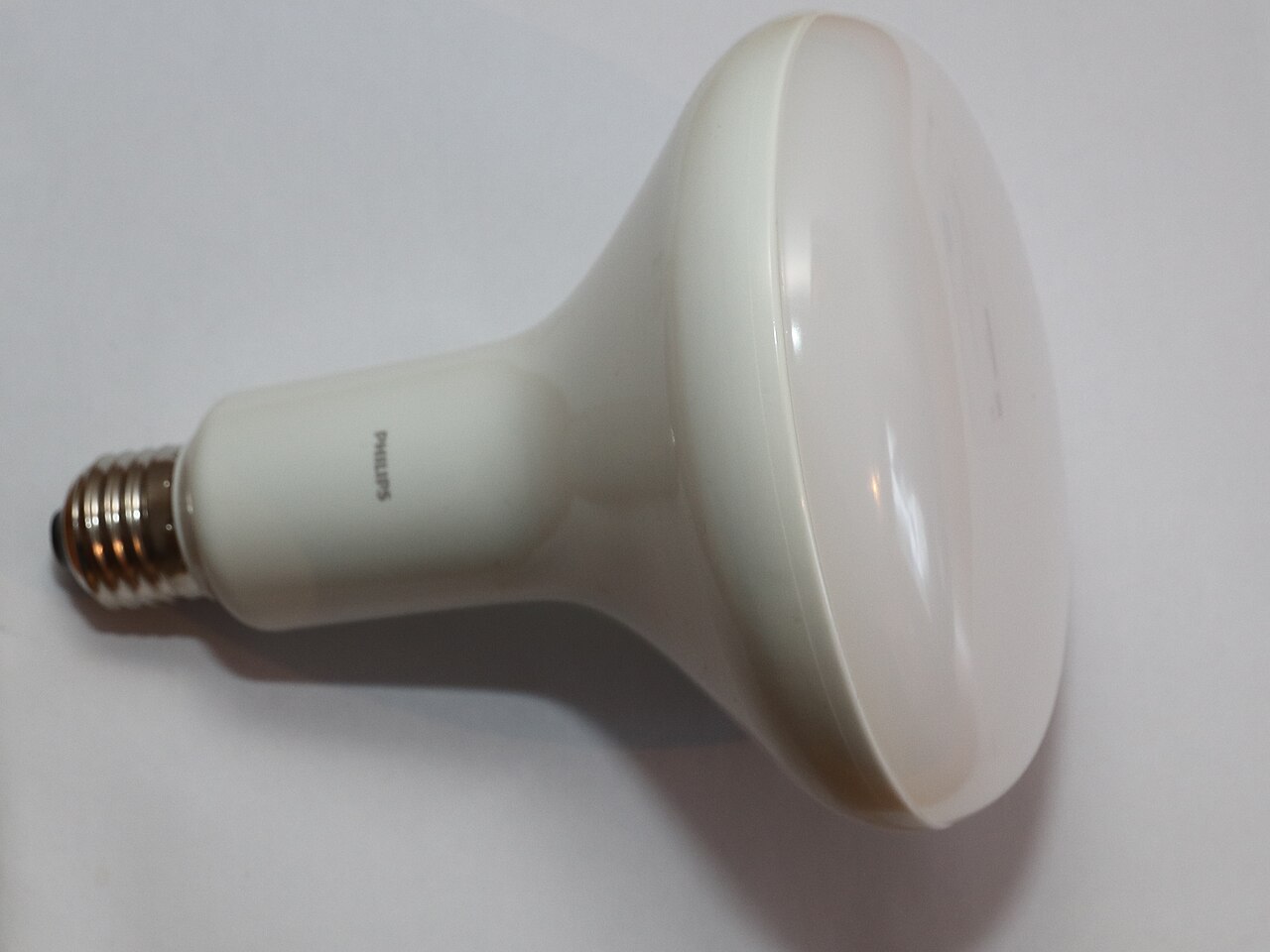
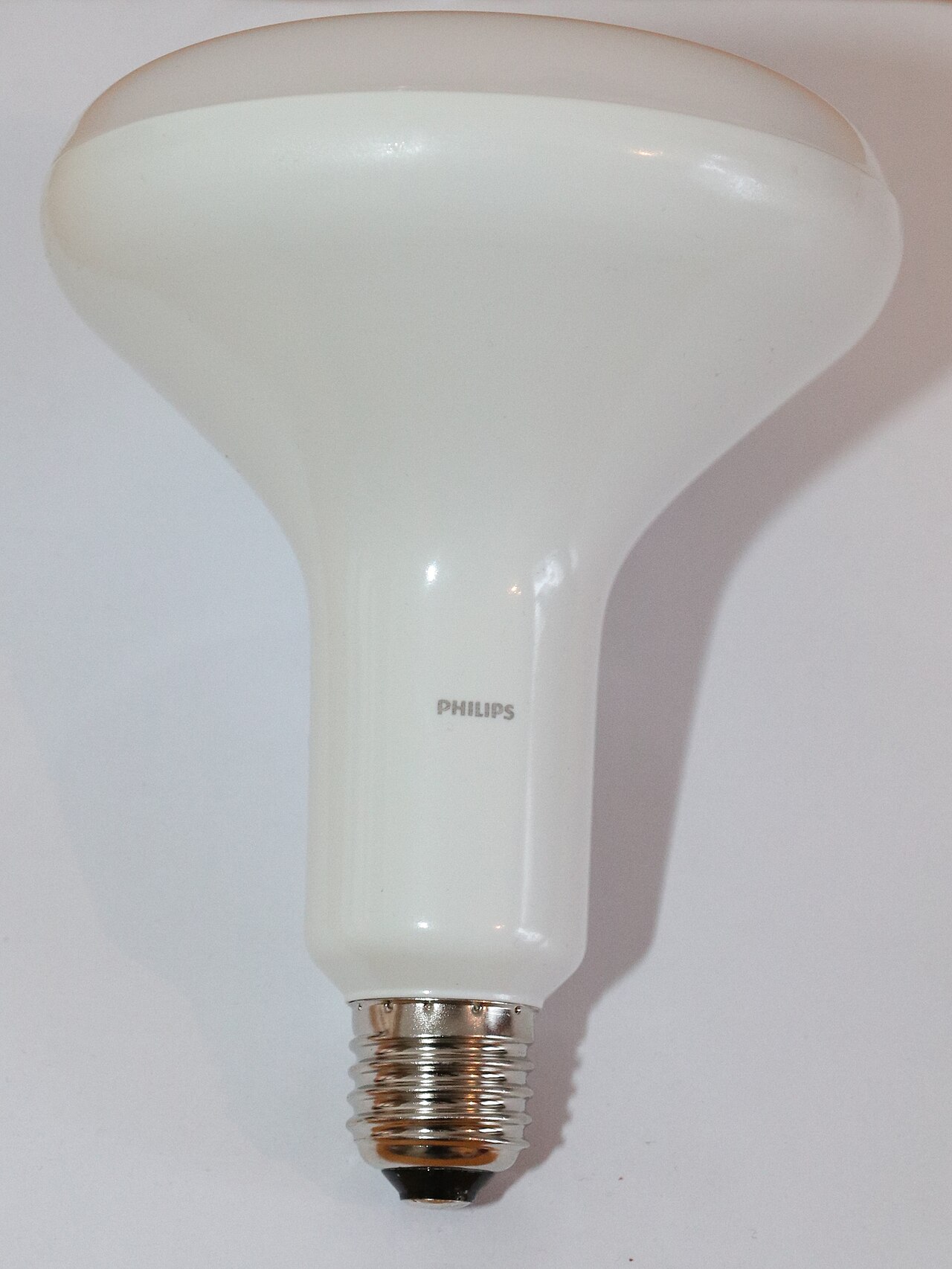
Our top picks for 2026: a full-spectrum LED grow light for medium-sized plant collections, an LED grow light panel for propagation and young plants, and a professional LED grow lamp for the most demanding needs and larger collections. For smaller budgets and single plants, a compact LED grow light does the job well. And a high-performance grow light is ideal for growing herbs in the kitchen all year round.
How the Top Grow Lights Compare
| Product | PPFD / Coverage | Price Tier | Best For |
|---|---|---|---|
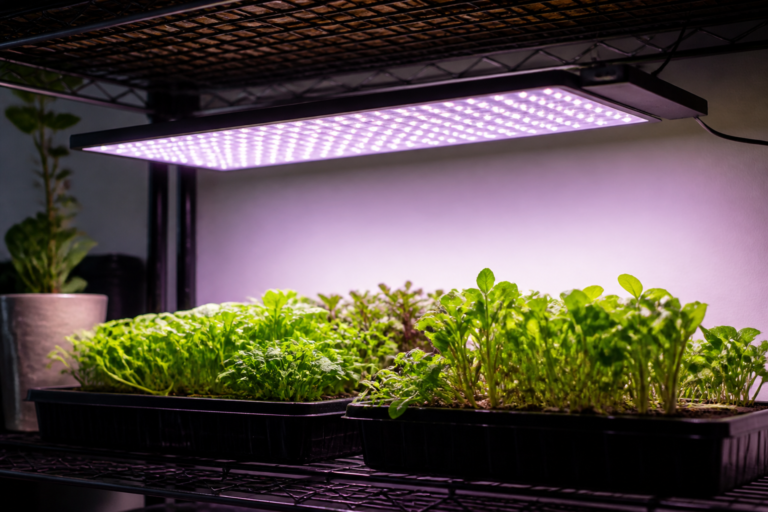
| Mars Hydro TS 1000 LED Grow Light | High PPFD, medium coverage | $$ | Larger plant collections, propagation |
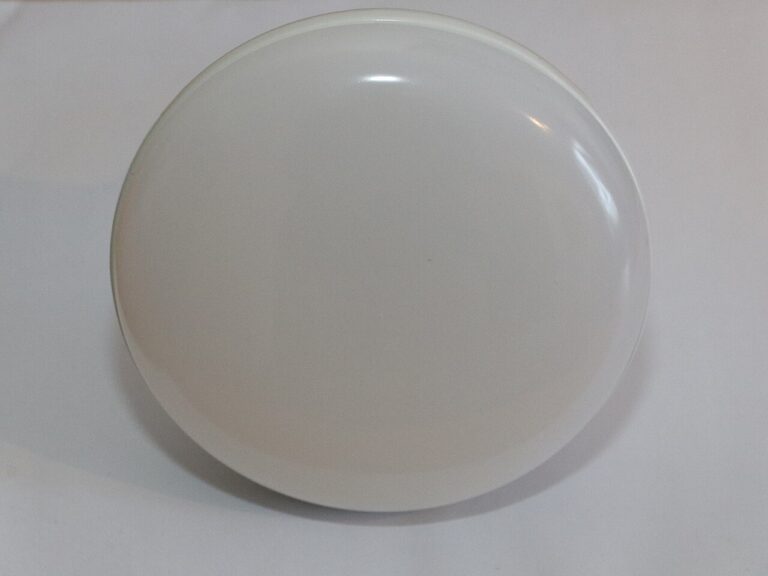
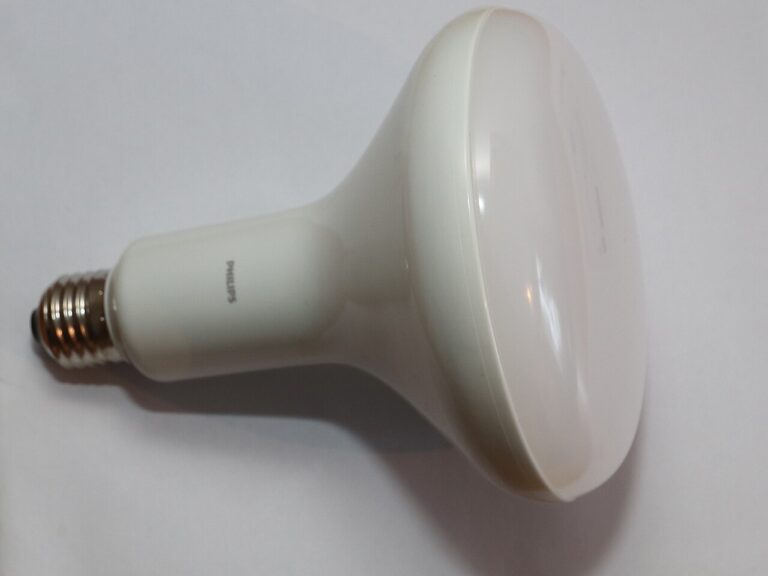
| SANSI 24W LED Grow Light Bulb | Single plant | $ | Small budgets, single plants |
| Barrina LED Grow Light T5 | Full shelf coverage | $ | Multi-tier shelving, seedlings |
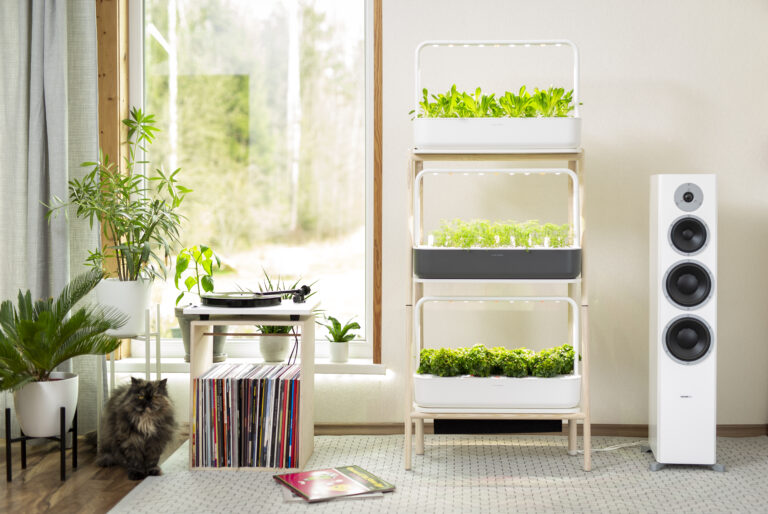
| AeroGarden 45W LED Grow Light Panel | Kitchen herb gardens | $$ | Year-round herb growing indoors |
Conclusion
A good grow light is the best investment for anyone who doesn’t want to give up lush greenery in winter. Modern full-spectrum LEDs are energy-efficient, long-lasting, and deliver exactly the light your plants need. Pay attention to the PPFD value and the recommended distance from the plant when buying — then nothing stands in the way of healthy growth all year round.
This article may contain affiliate links. If you purchase a product through one of these links, Plantgecko may earn a commission at no extra cost to you. This never influences our editorial independence or which products we recommend.