Scale Insects and Mealybugs: How to Get Rid of These Stubborn Pests
Introduction
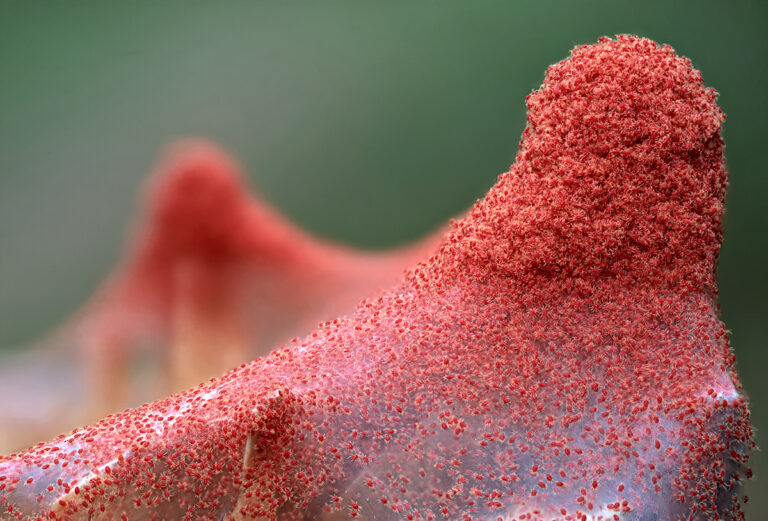
Photo: D-Kuru (CC BY-SA 3.0 at, Wikimedia Commons)
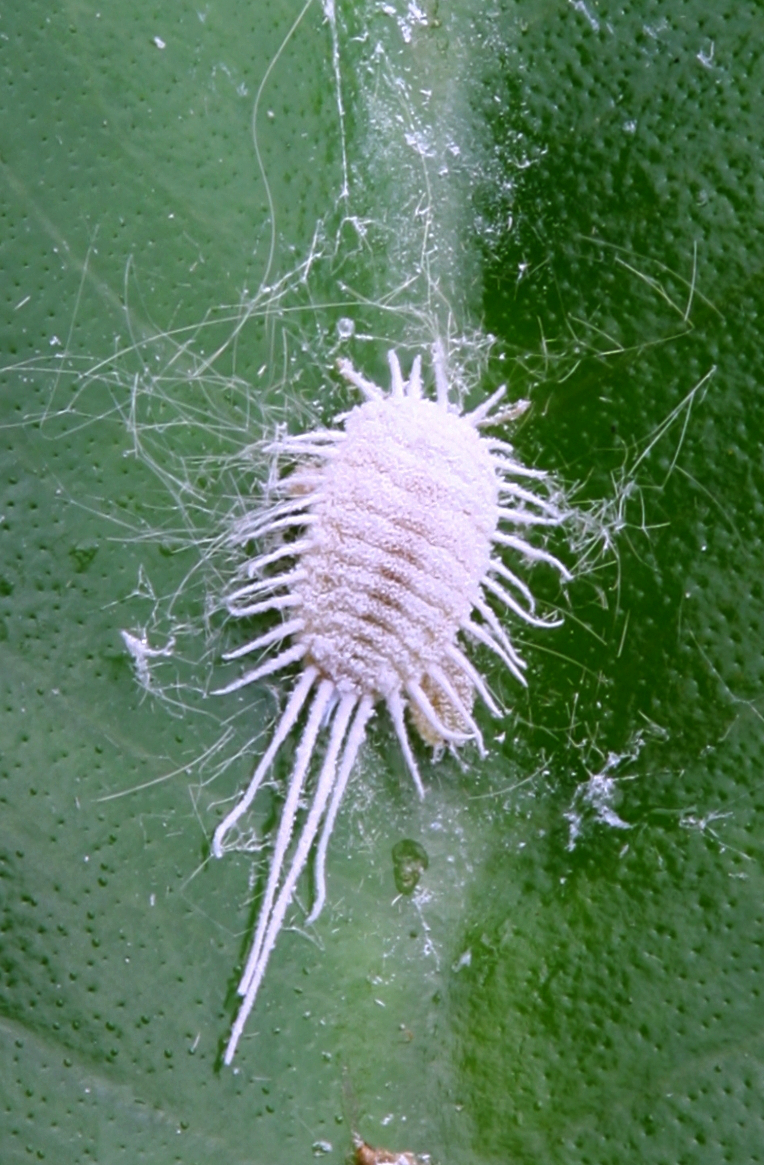
Photo: Tero Keski-Valkama (CC BY-SA 4.0, Wikimedia Commons)
Armored pests
Scale insects and mealybugs are among the most stubborn pests on houseplants. Their protective shell makes them resistant to many sprays, and they often multiply unnoticed. Here’s how to identify and effectively treat both.
Who This Is For
Identifying scale insects
Scale insects look like small brown bumps or scales on leaves and stems. They sit motionless under a hard, waxy shell and feed on plant sap. Typical signs: sticky leaves (honeydew), sooty mold growing on that honeydew, yellow spots on leaves, and general loss of vigor.
Buying Criteria
Identifying mealybugs
Mealybugs are easier to spot: they look like small tufts of white cotton in leaf axils, on stems, and on the undersides of leaves. Their waxy white coating protects them from drying out and from predators. Especially common on orchids, cacti, ficus, and succulents.
Product/Option Categories
Step-by-step treatment
Step 1: Mechanical removal
Dab scale insects individually with a cotton swab soaked in rubbing alcohol — the alcohol dissolves the waxy shell and kills the insect underneath. Wipe mealybugs off with a damp cloth or cotton swab; use a soft toothbrush on stubborn spots. Isolate affected plants from healthy ones immediately.
Trade-offs
Step 2: Neem oil treatment
After the mechanical cleanup: spray with neem oil every 5-7 days for at least 3-4 weeks. Neem oil acts systemically and kills hidden larvae too. Be sure to thoroughly coat the undersides of leaves and stems as well.
Step 3: Pruning for severe infestations.
Disclosure
This article may contain affiliate links. If you purchase a product through one of these links, Plantgecko may earn a commission at no extra cost to you. This never influences our editorial independence or which products we recommend.
| Product | Best For | Price | |
|---|---|---|---|
| neem oil | Top Pick | Check price | View |
| systemic insecticide spikes | Also Consider | Check price | View |
| A moisture meter | Budget Alternative | Check price | View |
Recommendation Framework
Cut away heavily infested parts of the plant generously and dispose of them in household trash — never compost them. Pruning may seem drastic, but it’s often the only way to eliminate a large mealybug population.
Stubborn cases: systemic treatments.
Conclusion
If neem oil and mechanical removal aren’t enough, systemic insecticide spikes can help — inserted into the soil, the active ingredient spreads through the plant’s sap. Look for products labeled safe for houseplants at your local garden center.
A moisture meter is a useful regular-monitoring tool, since plants weakened by incorrect watering are especially vulnerable to pest infestations.