Best Grow Lights for Indoor Plants in 2026
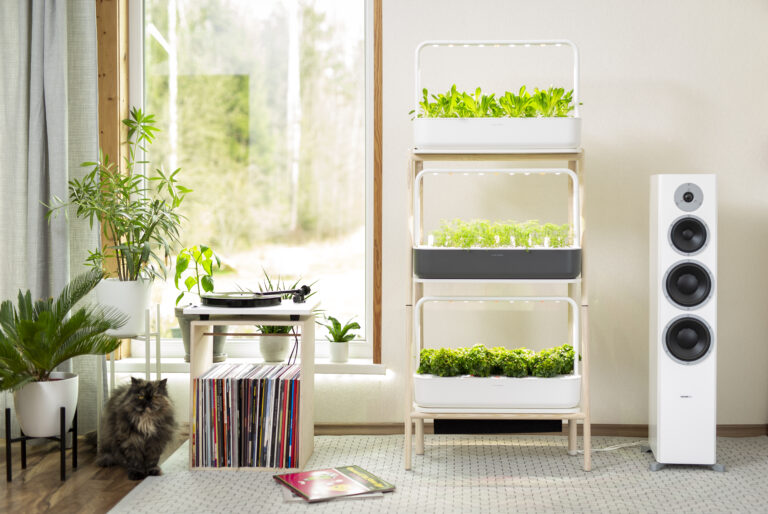
Even a bright-looking room often delivers far less usable light than plants need, since light intensity drops off sharply with distance from a window and human eyes are poor judges of it. Grow lights fill that gap, and understanding a few basics will help you choose and use one effectively without overspending on features you don’t need.
LED vs. Fluorescent
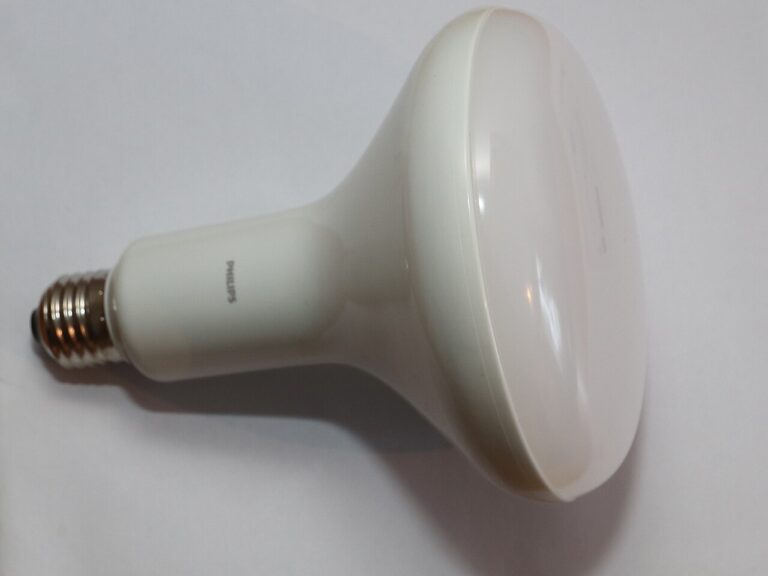
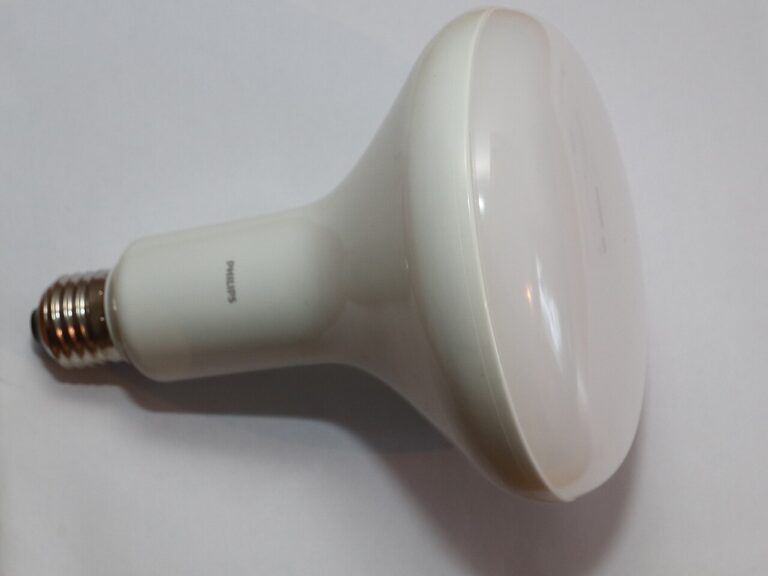
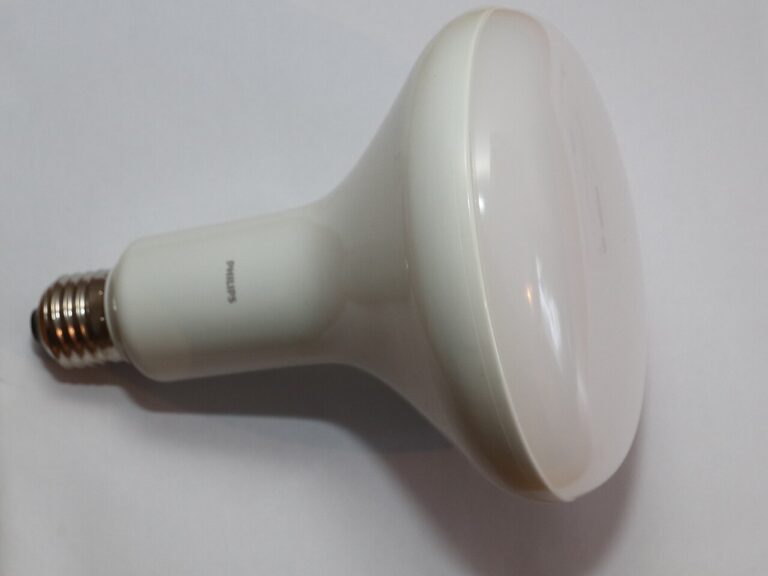
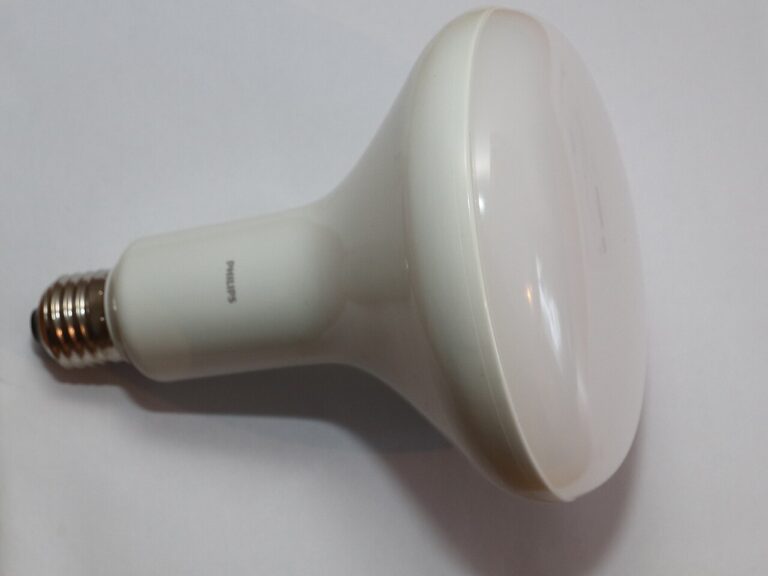
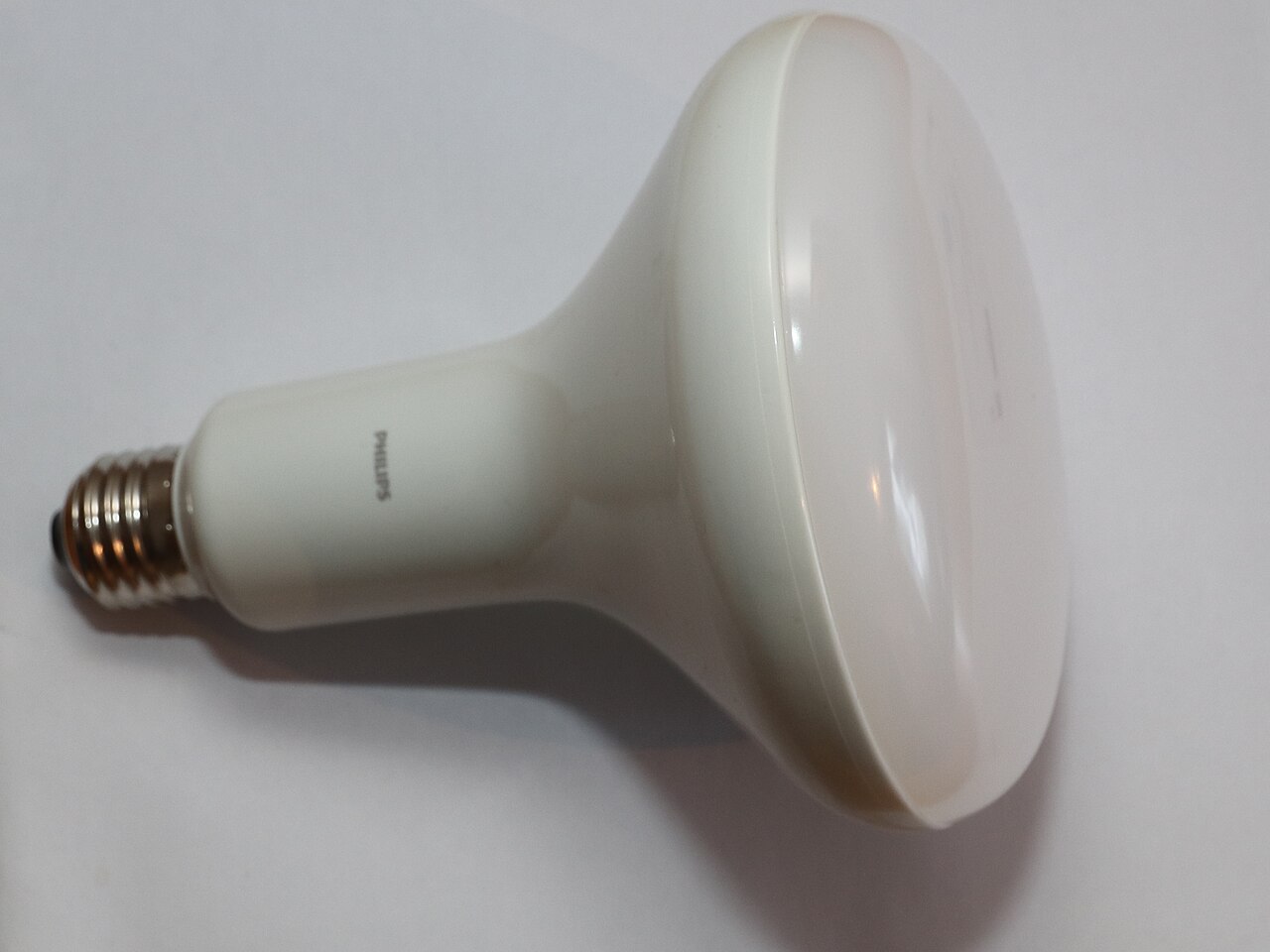
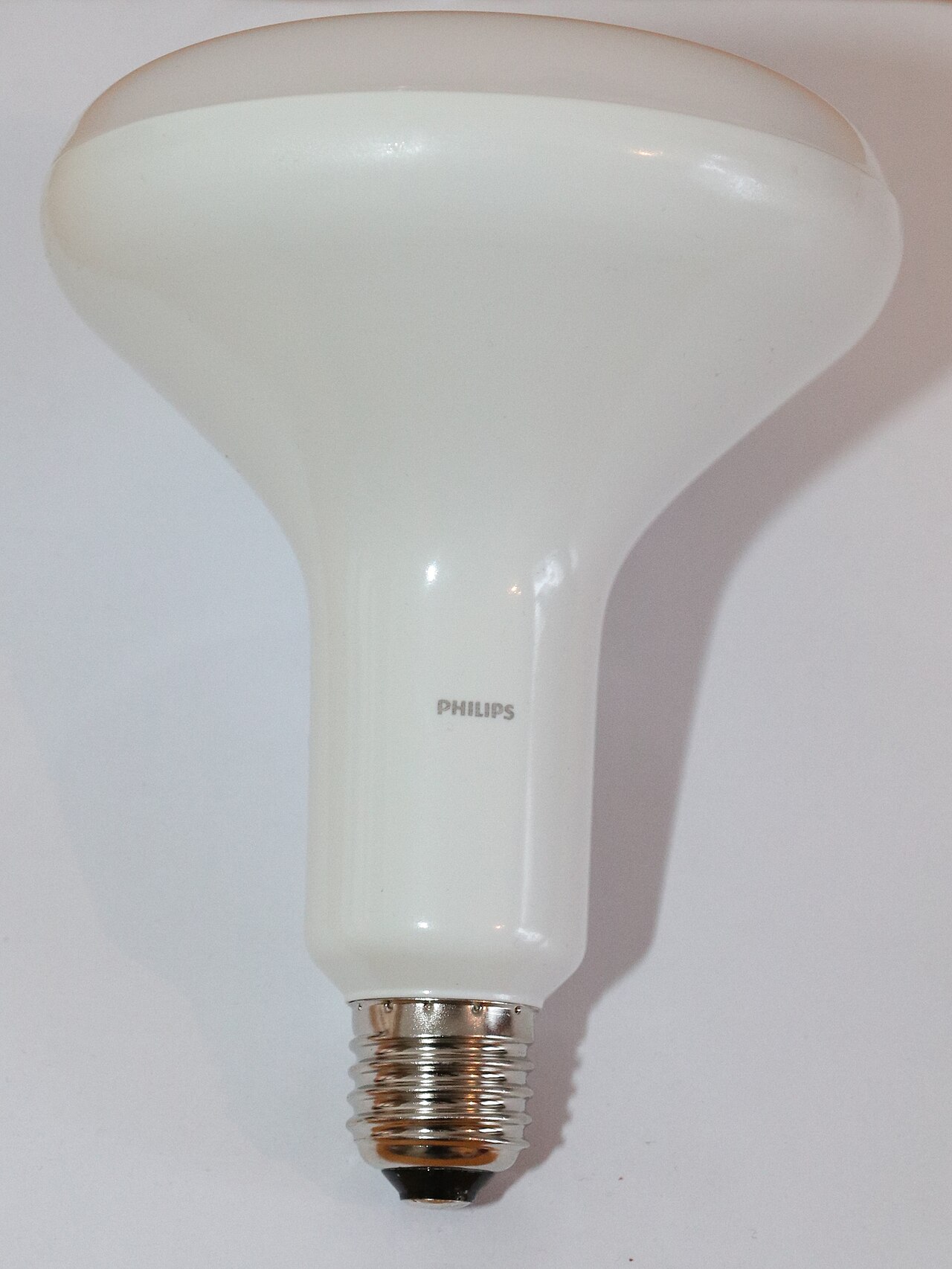
Full-spectrum LED grow lights have largely replaced fluorescent tubes for home use because they run cooler, last far longer, and use less electricity for the same light output. Fluorescent shop lights (particularly T5 tubes) are still a perfectly workable and inexpensive option, especially for seedlings and low-light foliage plants, but they need replacing more often as their output degrades and they don’t concentrate light as efficiently over a distance. For most home growers, a full-spectrum LED panel or bulb is the better long-term investment.
PAR, Lumens, and Why It Matters
Lumens measure brightness as perceived by the human eye, but plants respond to a specific range of light wavelengths used for photosynthesis, measured as PAR (photosynthetically active radiation). A light can have a high lumen rating but poor PAR output, so when comparing grow lights, look for PAR or PPFD (photosynthetic photon flux density) specifications rather than lumens alone. As a rough guide, low-light plants like pothos or snake plant need a PPFD in the range of 100–200 µmol/m²/s, while fruiting or flowering plants and high-light succulents want 400 µmol/m²/s or more.
Distance From the Plant
Light intensity falls off quickly with distance, so positioning matters as much as wattage. As a general starting point, place LED grow lights 12–24 inches above foliage plants and closer, around 6–12 inches, for light-hungry succulents and herbs, then adjust based on how the plant responds. Check the manufacturer’s guidance for your specific fixture, since output varies widely between models.
How Many Hours a Day
Most indoor plants do well under 12–16 hours of grow light per day, roughly mimicking a long summer day, with a consistent dark period overnight, since plants also need darkness for proper respiration and growth cycling. A cheap outlet timer makes this effortless and ensures consistency, which matters more than occasionally running the light longer.
Signs of Too Much or Too Little Light
- Too little light: leggy, stretched growth with long gaps between leaves; smaller new leaves; pale or slow growth; plant leaning hard toward any available light source.
- Too much light: bleached, white, or crispy brown patches on leaves, especially on the side facing the light; leaves that feel unusually hot to the touch; scorching that appears within days of moving a plant closer to a strong fixture.
When introducing a new grow light, start with shorter exposure or greater distance and increase gradually over a week or two, especially for plants that were previously in lower light. This gives foliage time to adjust and avoids the shock of a sudden jump in intensity.
Comparison: Best Grow Lights to Buy
Real, widely used models across a range of budgets and setups.
| Product | Price Tier | Key Differentiator | Best For |
|---|---|---|---|
| Mars Hydro TS 600 | $$$ | Full panel with high PPFD output and dimmer | Larger plant collections or multiple shelves |
| SANSI 24W LED Bulb | $ | Screws into any standard lamp socket, no fixture needed | A single plant or small space |
| Barrina T5 Strip | $$ | Linkable strip lights for even coverage | Shelving units or plant walls |
| Roleadro LED Panel | $$ | Compact clip-mount panel | Small grow tents or desk setups |