Best Fertilizer for Flowering Plants in Summer
Flowering plants have different nutritional needs than foliage plants, and the wrong fertilizer — or simply too much of it — can leave you with lush green leaves and few blooms. Here’s how to feed flowering plants correctly through the summer growing season.
Look for a Bloom-Boosting NPK Ratio
Fertilizer labels show three numbers for nitrogen (N), phosphorus (P), and potassium (K). Nitrogen drives leafy green growth, while phosphorus and potassium support root development and flower and fruit production. For flowering plants, look for a “bloom” formula with proportionally higher phosphorus and potassium relative to nitrogen — ratios like 10-30-20 or 15-30-15 are common “bloom booster” formulations. Too much straight nitrogen (like a lawn fertilizer) tends to produce vigorous foliage at the expense of flowers.
Liquid vs. Granular Fertilizer
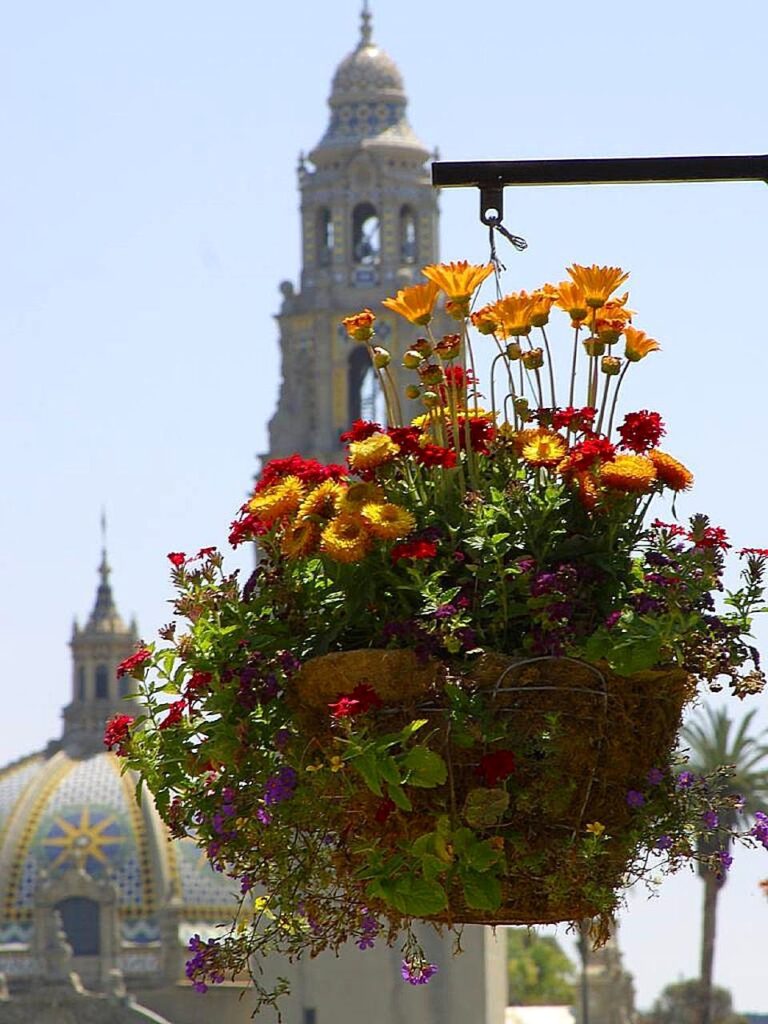
- Liquid fertilizers (diluted in water) act fast and are easy to control, making them ideal for container plants and hanging baskets that get watered often. Most are applied every one to two weeks during active growth.
- Granular slow-release fertilizers break down gradually over one to three months, offering a steadier, lower-maintenance feed that’s well suited to garden beds and larger containers you don’t want to fuss over constantly.
- Water-soluble bloom feeds are a popular middle ground — a soluble powder mixed into the watering can, typically used at half the labeled strength every other watering for steady, gentle feeding.
Feeding Frequency in Summer
Summer is peak growing and blooming season for most flowering annuals and perennials, so this is when they need feeding most. As a general guide:
- Container and hanging basket plants: every 1–2 weeks with a diluted liquid bloom fertilizer, since frequent watering washes nutrients out of the small soil volume quickly.
- In-ground garden perennials: every 4–6 weeks, or a single slow-release granular application at the start of the season.
- Heavy continuous bloomers like petunias and calibrachoa: benefit from the more frequent end of this range, since they’re constantly using energy to produce new flowers.
The Risks of Overfeeding
More fertilizer is not better. Overfeeding causes a buildup of mineral salts in the soil that can burn roots, showing up as brown, crispy leaf edges. It can also push plants toward excess leafy growth instead of flowers, or in severe cases stop flowering altogether. If you suspect a buildup, flush the pot thoroughly with plain water until it runs freely from the drainage holes, and skip the next scheduled feeding.
Deadhead to Encourage More Blooms
Fertilizer alone won’t maximize flowering — pair it with regular deadheading. Once a flower fades and starts forming seed, the plant shifts its energy into seed production rather than making new blooms. Snipping or pinching off spent flowers regularly redirects that energy back into flower production, and combined with the right feeding schedule, keeps most annuals and repeat-blooming perennials flowering steadily from early summer through fall.
Comparison: Best Bloom-Boosting Fertilizers
Real, widely available bloom formulas across a range of budgets.
| Product | Price Tier | Key Differentiator | Best For |
|---|---|---|---|
| Jack’s Classic Blossom Booster | $$ | Water-soluble powder, 10-30-20 bloom ratio | Container and hanging-basket bloomers |
| Espoma Bloom! | $$ | Organic liquid, gentle enough for frequent feeding | Organic growers feeding weekly |
| Miracle-Gro Bloom Booster | $ | Widely available, easy dosing | Budget-friendly quick fix |
| Osmocote Flower & Rose | $$ | Granular slow-release, feeds roughly 2-3 months | In-ground perennials or low-maintenance beds |