10 Easy Houseplants for Beginners That Are Nearly Impossible to Kill
Why Start with Easy Houseplants?
Bringing a plant into your home for the first time should feel like an act of optimism, not a commitment to anxiety. The right beginner plant rewards you with visible growth, forgives the occasional lapse in care, and teaches you the rhythms of indoor gardening without punishing every mistake. Starting with demanding species is the fastest way to convince yourself that you have a “black thumb,” when in reality, you simply picked a plant that was never designed to thrive in the average living room.
The ten plants on this list all share a few essential qualities: they adapt to a range of light conditions, they tolerate inconsistent watering, they resist pests and diseases, and they actively communicate their needs rather than collapsing without warning. If you are new to houseplants, or if you have struggled with plants in the past, start here. These are the plants that built the confidence of generations of indoor gardeners.
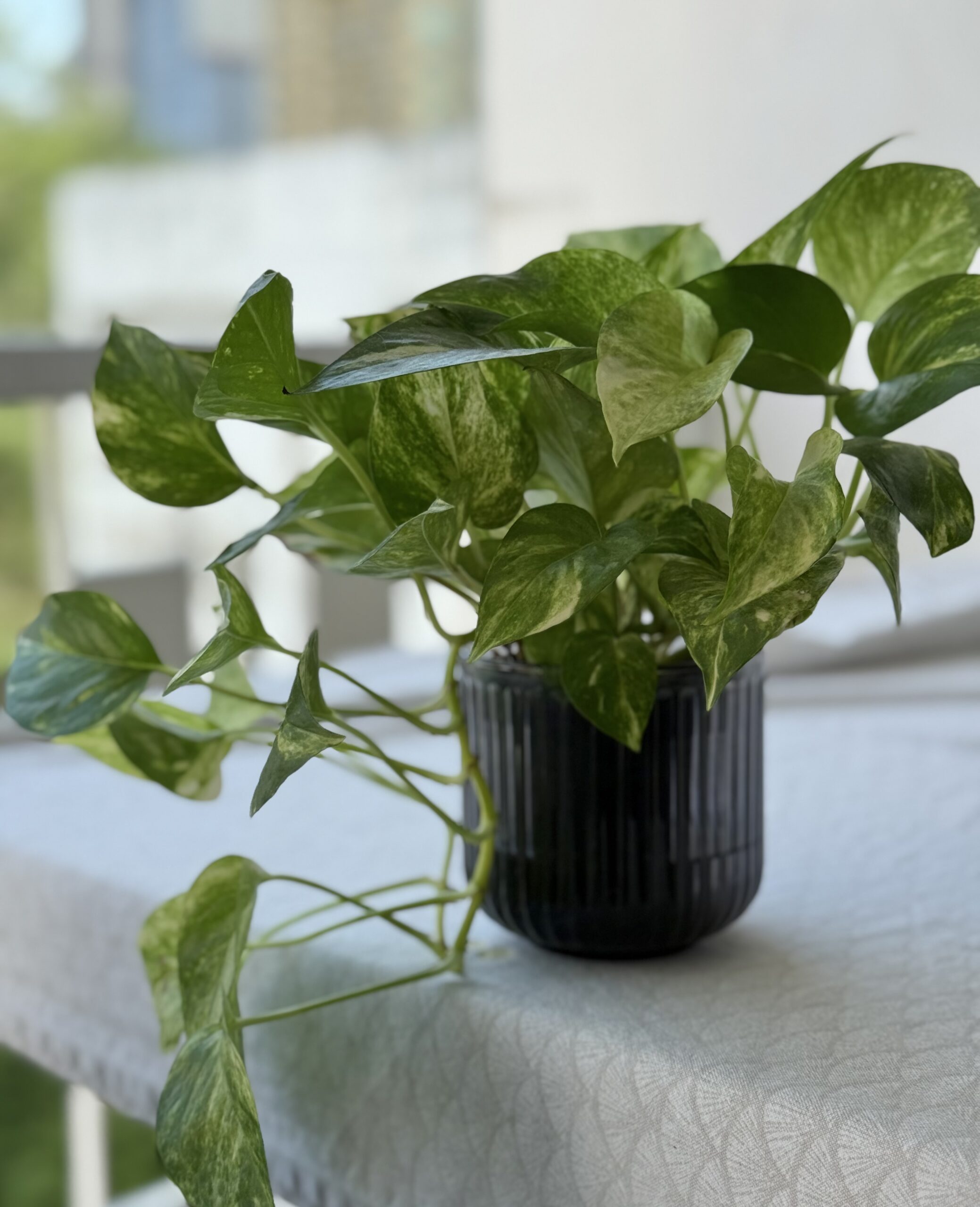
1. Golden Pothos (Epipremnum aureum)
Pothos is the plant that launched a thousand plant collections. Its cascading vines of heart-shaped leaves, variegated with cream, gold, and chartreuse depending on the variety, grow rapidly under almost any conditions. Pothos tolerates low light (though variegation may fade to solid green in dim conditions), handles irregular watering gracefully, and propagates with near-zero effort. The visual cue for watering is unmistakable: when the leaves begin to droop slightly and feel softer and more pliable than usual, the plant is thirsty. Water it thoroughly, and within hours, the leaves are firm and lifted again.
Light: Low to bright indirect. Avoid direct sun, which scorches leaves.
Water: When the top 2 to 3 centimeters of soil are dry, or when leaves begin to droop. Roughly every 7 to 14 days.
Soil: Standard all-purpose potting mix with good drainage.
Propagation: Snip a stem below a node, place in water, and roots appear within 1 to 2 weeks.
Toxicity: Mildly toxic to pets if ingested (contains calcium oxalate crystals).
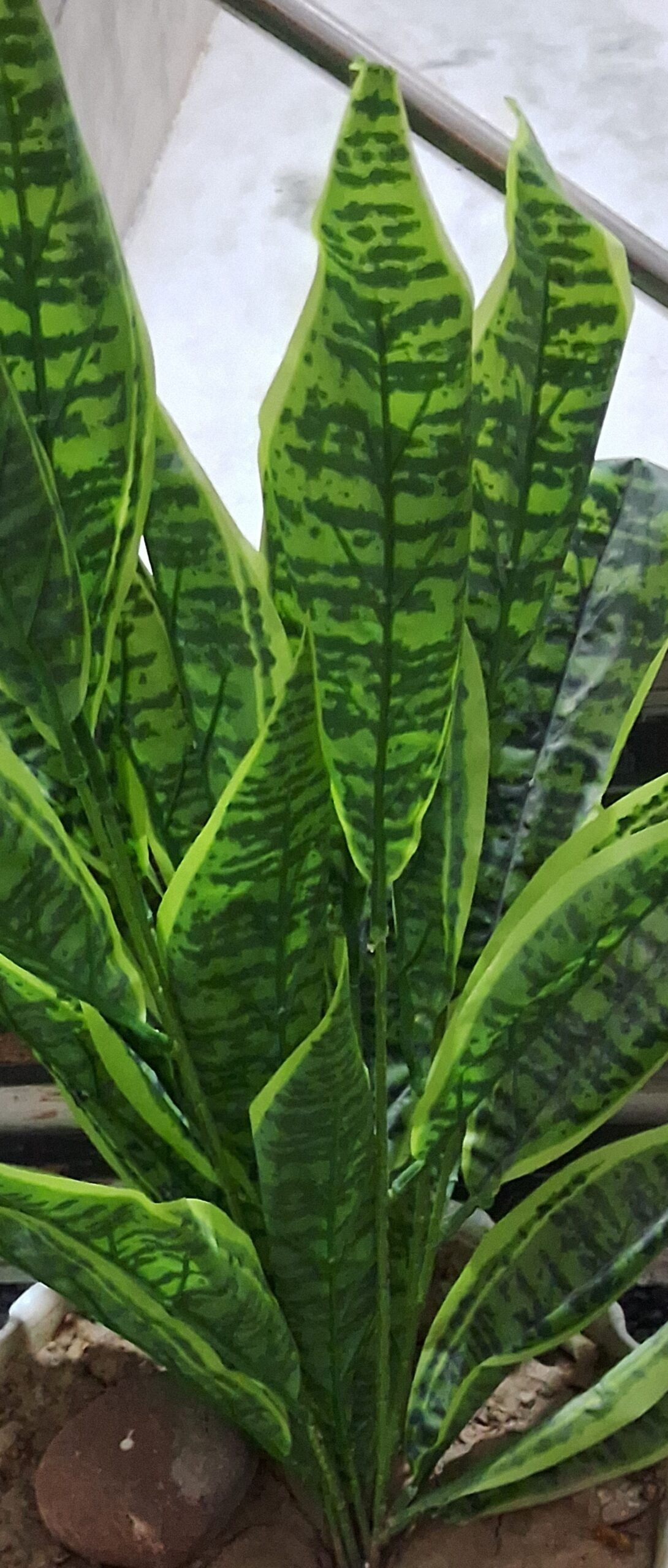
2. Snake Plant (Sansevieria/Dracaena trifasciata)
The snake plant is the single most forgiving houseplant in existence, and the one to choose if you travel frequently or occasionally forget that you own plants at all. Its upright, architectural leaves with distinctive horizontal banding and yellow margins lend a modern, sculptural quality to any room. Snake plants use CAM photosynthesis, converting carbon dioxide to oxygen at night, which has earned them a popular reputation as bedroom plants. In practical terms, they survive in almost any light condition from bright indirect sun to dim corners, and they need water so infrequently that overwatering is essentially the only way to kill them.
Light: Any condition from bright indirect to low light. Growth slows in deep shade.
Water: Allow soil to dry completely between waterings. Every 3 to 6 weeks in low light, slightly more often in bright light.
Soil: Fast-draining cactus or succulent mix. Standard potting soil holds too much water.
Note: Snake plants are mildly toxic to pets. Keep out of reach of cats and dogs that chew on foliage.
3. ZZ Plant (Zamioculcas zamiifolia)
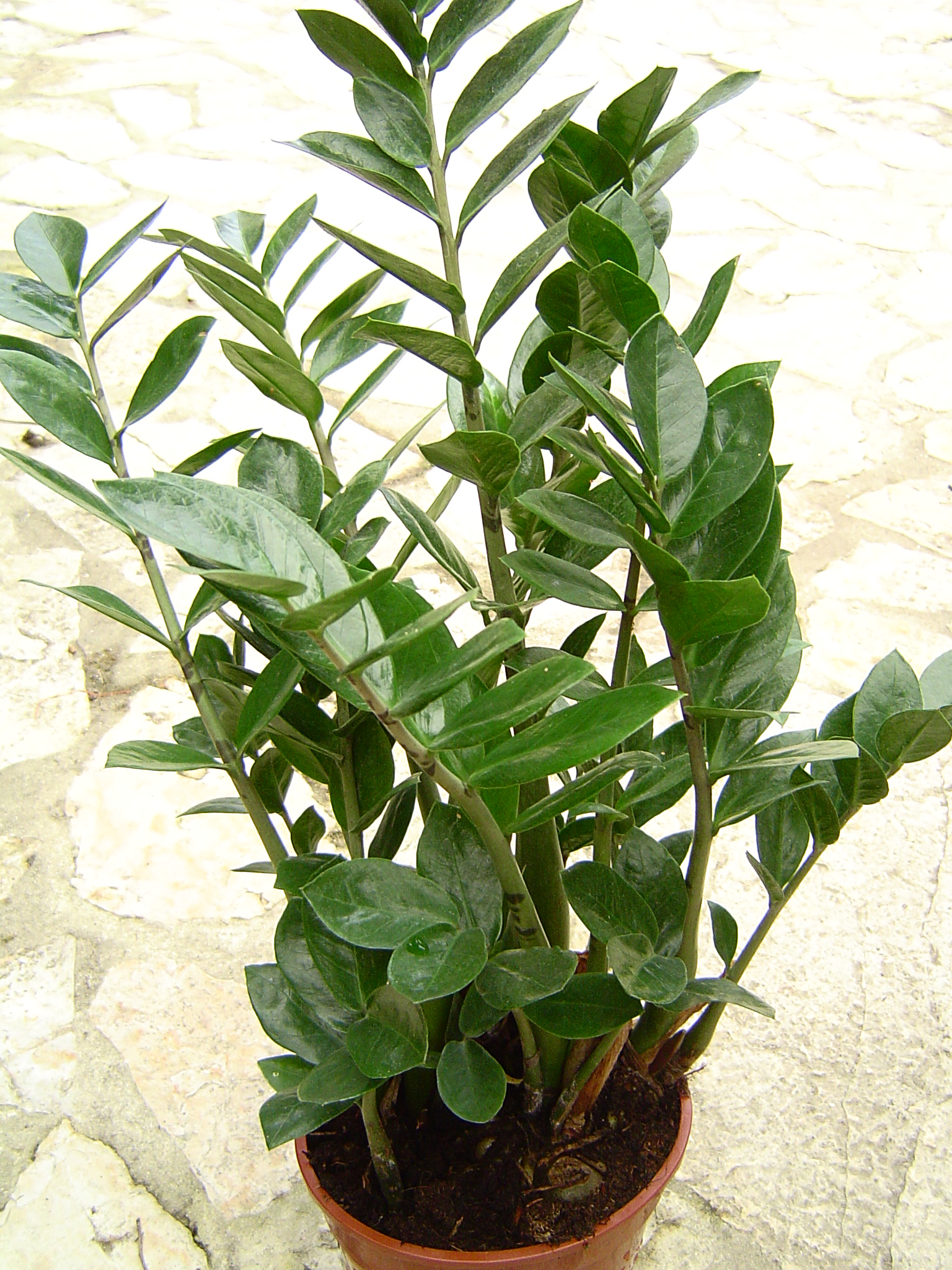
The ZZ plant’s glossy, dark green leaflets grow along upright, arching stems that emerge from potato-like rhizomes beneath the soil. These rhizomes store significant water reserves, making the ZZ plant exceptionally drought-tolerant. It thrives in low light and tolerates fluorescent office lighting with no natural light at all. Growth is slow but steady, and a well-cared-for ZZ plant can live for decades. The plant is practically set-it-and-forget-it: water it deeply once a month, wipe the leaves when they look dusty, and otherwise leave it alone.
Light: Low to bright indirect. Direct sun bleaches and burns the leaves.
Water: Allow the soil to dry out completely between waterings. Every 3 to 4 weeks in low light is typical.
Soil: Well-draining all-purpose mix or cactus mix.
Toxicity: All parts of the plant are toxic if ingested. Keep away from pets and children. The sap may also irritate skin.
4. Spider Plant (Chlorophytum comosum)
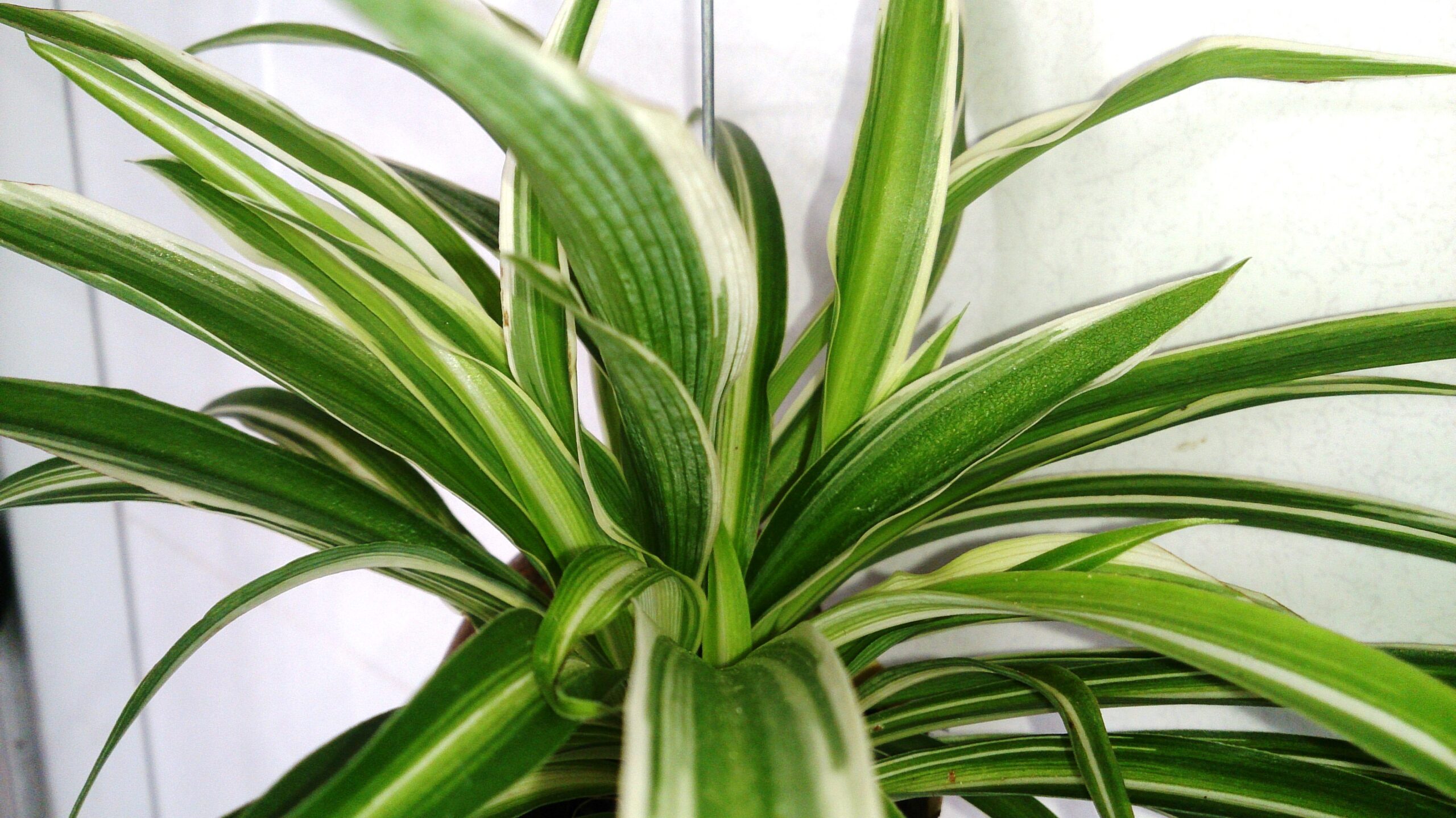
The spider plant is the classic houseplant of the 1970s that never really went out of style. Its arching, grass-like leaves, usually variegated with a central white stripe, create a fountain of foliage that looks wonderful in hanging baskets. Spider plants are famous for producing “spiderettes,” small plantlets that dangle from long stems and can be snipped off and potted up to create new plants. They are non-toxic to pets, fast-growing, and resilient. The main thing to watch for is brown leaf tips, which are usually caused by fluoride or chlorine in tap water. Using filtered water or collected rainwater solves this issue for most plants.
Light: Bright indirect light is ideal. Tolerates lower light but growth slows and variegation may fade.
Water: Keep soil evenly moist but not soggy. Water when the top 2 to 3 centimeters of soil feel dry.
Soil: Standard all-purpose potting mix with good drainage.
Pet safety: Non-toxic to cats and dogs.
5. Peace Lily (Spathiphyllum)
The peace lily earns its spot on this list for two reasons: it is genuinely easy to care for, and it is one of the most communicative plants you can own. When a peace lily needs water, its leaves and stems droop so dramatically that it looks nearly dead. Water it, and within hours, the entire plant has perked back up as if nothing happened. This dramatic but harmless display removes all guesswork from watering. Beyond its forgiving nature, the peace lily produces elegant white spathes (modified leaves surrounding the true flower) that appear throughout the year, adding a touch of sophistication to any room.
Light: Low to medium indirect light. Direct sun burns leaves.
Water: Water when the plant begins to droop slightly, or when the top few centimeters of soil are dry. Filtered or distilled water reduces brown leaf tips.
Soil: Moisture-retentive but well-draining potting mix.
Toxicity: Toxic to pets and humans if ingested. Keep out of reach.
6. Chinese Evergreen (Aglaonema)
Aglaonema is one of the most underrated houseplants for beginners. Available in a stunning range of cultivars with leaves patterned in silver, pink, red, and various shades of green, Chinese evergreens bring color and pattern to low-light spaces that would defeat most other plants. They grow slowly but steadily, tolerate neglect well, and require almost no maintenance beyond occasional watering and leaf cleaning. Aglaonema is native to the tropical forest floors of Asia, where it grows in deep shade, making it perfectly adapted to the dim interior of a home.
Light: Low to medium indirect light. Direct sun causes leaf scorch.
Water: Allow the top 3 to 5 centimeters of soil to dry between waterings. Every 7 to 14 days typically.
Soil: Well-draining all-purpose potting mix.
Toxicity: Contains calcium oxalate crystals. Toxic to pets if ingested.
7. Cast Iron Plant (Aspidistra elatior)
The cast iron plant earned its common name during the Victorian era, when it survived in the gas-lit, drafty, poorly-lit parlors of the time without complaint. Aspidistra produces long, dark green, lance-shaped leaves that grow directly from the soil in a fountain-like clump. It tolerates deep shade, temperature fluctuations, irregular watering, and general neglect to a degree that few other plants can match. The trade-off is that it grows slowly, so a cast iron plant is more of a long-term companion than a fast-expanding showpiece. Individual leaves can last for years, and the plant rarely needs repotting more than once every 3 to 4 years.
Light: Low to medium indirect light. Avoid direct sun, which bleaches leaves.
Water: Allow the top 3 to 5 centimeters of soil to dry between waterings. Every 2 to 3 weeks.
Soil: Standard all-purpose potting mix with good drainage.
Pet safety: Non-toxic to cats and dogs.
8. Heartleaf Philodendron (Philodendron hederaceum)
Often mistaken for pothos, the heartleaf philodendron is a trailing plant with glossy, heart-shaped, solid green leaves. It grows vigorously, tolerates low light, and is arguably even easier than pothos because it does not develop the pale, washed-out appearance that variegated pothos can get in dim conditions. Philodendron hederaceum looks wonderful in hanging baskets, on shelves where the vines can cascade down, or trained up a small trellis or moss pole. It roots readily from stem cuttings placed in water, making it easy to multiply and share.
Light: Low to bright indirect. Tolerates lower light than many trailing plants.
Water: Water when the top 2 to 3 centimeters of soil are dry. Leaves may curl slightly when thirsty.
Soil: Standard all-purpose potting mix.
Toxicity: Mildly toxic to pets if ingested.
9. Aloe Vera
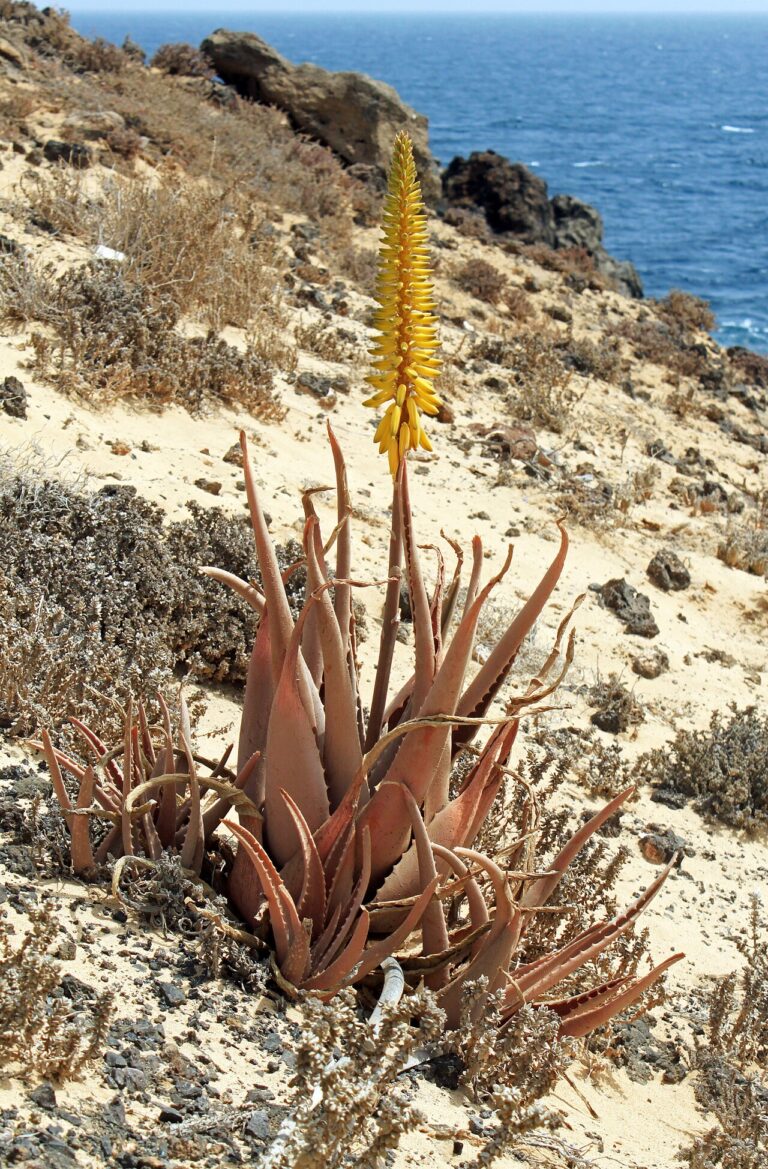
Aloe vera is both an attractive succulent and a practical plant to keep on hand. The gel inside its thick, fleshy leaves contains compounds with anti-inflammatory and wound-healing properties, useful for minor burns, cuts, and skin irritations. As a succulent, aloe stores water in its leaves and needs infrequent watering, making it ideal for forgetful waterers. Place it in a sunny spot, water it sparingly, and it will produce offsets (pups) around its base that can be separated and potted up to expand your collection or share with friends.
Light: Bright, direct to indirect light. A south- or west-facing windowsill is ideal. Insufficient light causes the leaves to become thin and pale, and the plant may stretch toward the light.
Water: Allow soil to dry completely between waterings. Water deeply, then do not water again until the soil is bone dry. Every 2 to 4 weeks depending on light and temperature.
Soil: Cactus and succulent mix or a blend of potting soil with added perlite and sand.
Toxicity: The outer leaf and the yellow latex layer just beneath the skin are toxic to pets if ingested. The inner gel is generally safe for topical use but should not be consumed in large quantities.
10. Parlor Palm (Chamaedorea elegans)
The parlor palm brings a touch of tropical elegance without any of the diva behavior associated with many palms. It has been cultivated as an indoor plant since the Victorian era and remains popular for good reason: it is compact, graceful, tolerant of low light, and forgiving of occasional neglect. The parlor palm’s arching fronds of delicate, dark green leaflets create a soft, airy texture that complements any interior style. Unlike many palms that quickly outgrow their indoor spaces, Chamaedorea elegans stays a manageable size, typically reaching 1 to 1.5 meters (3 to 5 feet) at maturity indoors.
Light: Low to medium indirect light. A north-facing window or a spot a few meters from an east- or west-facing window works well. Direct sun burns the fronds.
Water: Keep soil evenly moist but not waterlogged. Water when the top 2 to 3 centimeters of soil feel dry. Parlor palms are slightly more water-tolerant than the average houseplant but still dislike soggy soil.
Soil: Well-draining all-purpose mix with added perlite for aeration.
Humidity: Appreciates above-average humidity. Brown leaf tips are a sign of dry air. A pebble tray or occasional misting helps.
Pet safety: Non-toxic to cats and dogs.
Special note: Parlor palms are prone to spider mites in dry indoor air. Regularly misting the fronds and wiping them down with a damp cloth prevents most infestations.
Getting Started: Your First Plant Shopping List
If you are standing in a garden center or browsing online and feeling overwhelmed by choice, here is a simple decision guide:
- For a bright, sunny room: Start with an Aloe Vera or a Snake Plant. Both thrive in direct light and require minimal watering.
- For a dim corner or north-facing room: A ZZ Plant or Cast Iron Plant will thrive where other plants slowly fade away.
- For a hanging basket or high shelf: Pothos or Heartleaf Philodendron will cascade beautifully and grow fast enough to feel rewarding.
- For pet owners: Spider Plant, Cast Iron Plant, and Parlor Palm are all non-toxic to cats and dogs.
- For the traveler or forgetful waterer: Snake Plant or ZZ Plant can go weeks without water and will not hold a grudge.
A Few Words of Encouragement
Every experienced plant grower has killed plants. It is part of the learning process, not a reflection of your worth as a plant parent. The plants on this list are forgiving, but they are not indestructible, and if one does not thrive in your space, that is information, not failure. Pay attention to how each plant responds to its environment. Notice when a leaf looks different than it did the week before. Over time, you will develop an intuition for what your plants need before they have to tell you. That intuition is the real skill of indoor gardening, and it develops faster than you think.
Recommended Beginner Plant Supplies
- Indoor Potting Mix: A quality all-purpose indoor potting mix works well for most of the plants on this list.
- Watering Can: A small indoor watering can with a narrow spout helps you water precisely without splashing leaves.
- Plant Pots with Drainage: A set of ceramic pots with drainage holes and saucers in assorted sizes covers your potting needs as your collection grows.
- Cactus Soil: A bag of cactus and succulent mix is essential for Aloe Vera, Snake Plants, and ZZ Plants that need fast drainage.
- Pruning Snips: A pair of small pruning snips is useful for trimming dead leaves and taking cuttings for propagation.
- Hanging Planter: A macrame hanging planter is perfect for displaying trailing plants like Pothos and Heartleaf Philodendron.