Choosing a Grow Light for Seedlings and Young Plants
Choosing a grow light for seed starting can feel overwhelming given the range of shapes, spectrums, and claims on the market. Rather than chasing a specific brand or wattage number, it helps to understand what actually matters for healthy seedling growth so you can evaluate any light on its real merits.
Light Spectrum
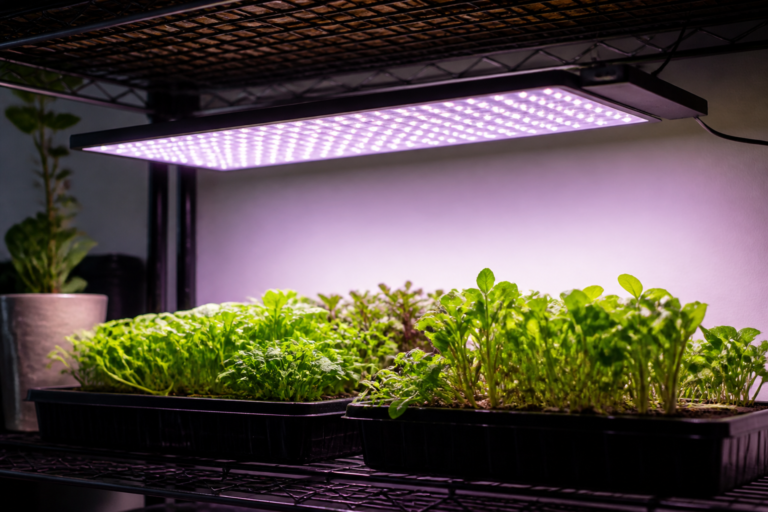
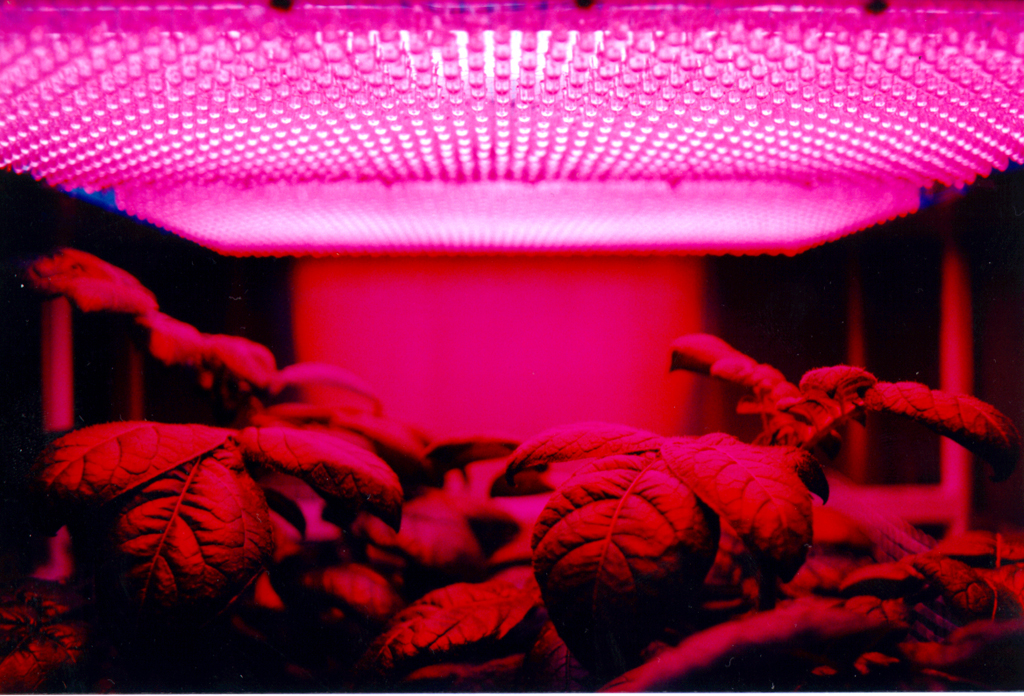
Seedlings and young plants respond best to full-spectrum light that includes both blue wavelengths (which promote compact, sturdy vegetative growth) and red wavelengths (which support overall photosynthesis). Many modern LED grow lights are designed to mimic natural daylight across this range, which works well for the vegetative stage that seed starting and young plant care fall into — you don’t need lights formulated for flowering or fruiting crops at this stage.
Brightness and Coverage Area
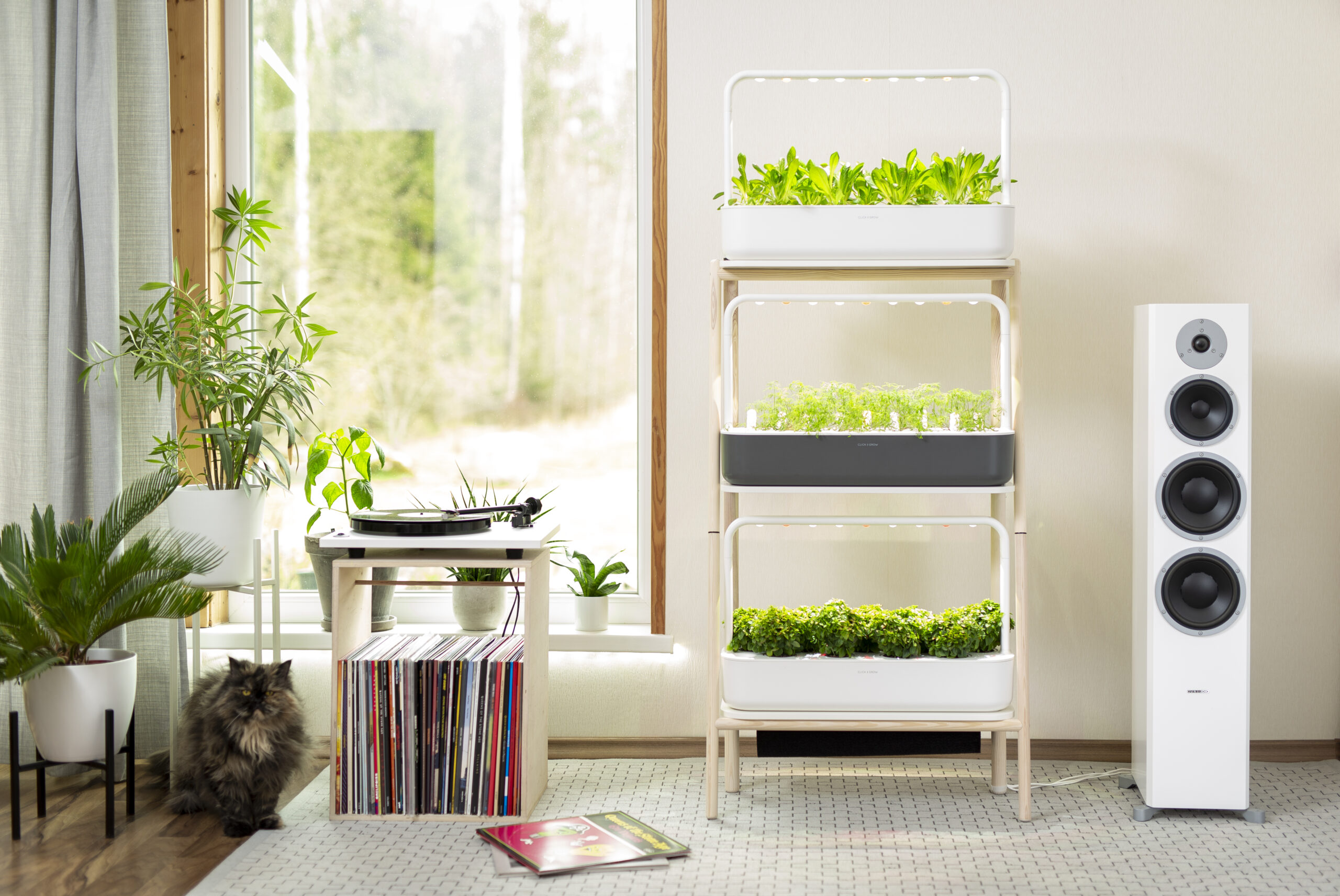
Rather than relying on wattage alone, which varies a lot in meaning between manufacturers, look at the light’s rated coverage area and intended mounting height. A light that’s adequate for a small seed tray may be far too weak spread across a large shelving unit. If you’re setting up multiple shelves, it’s usually more effective to use a dedicated fixture per shelf than one large light stretched over several tiers.
Adjustable Height and Timers
Because seedlings grow quickly and need the light kept close (often just a few inches above the foliage), a fixture with adjustable hanging height — or one mounted on a stand you can raise manually — makes ongoing care much easier. A built-in or add-on timer is also worth prioritizing, since seedlings need a consistent 14-16 hour light period followed by darkness, and manually switching lights on and off every day is easy to forget.
Build and Practical Considerations
- Heat output: LEDs run cooler than older fluorescent or incandescent grow lights, reducing the risk of scorching nearby leaves, but some heat is still produced and should be accounted for in small, enclosed spaces.
- Mounting hardware: Sturdy clips, chains, or a stand that can be raised in small increments will save frustration as your seedlings grow.
- Waterproofing: Since these lights are used near trays that get watered, a basic level of moisture resistance is a practical plus.
- Energy use: LEDs are generally far more efficient than older lighting technology, which matters if you’re running lights for many hours a day over an extended seed-starting season.
Popular Grow Lights for Seedlings
| Product | Coverage | Price Tier | Best For |
|---|---|---|---|
| Barrina LED Grow Light T5 | Small trays/shelves | $ | Budget seed-starting setups |
| AeroGarden 45W LED Grow Light Panel | Small to medium | $$ | Multi-tier shelving with adjustable height |
| Roleadro LED Grow Light | Medium | $$ | Balanced spectrum for vegetative growth |
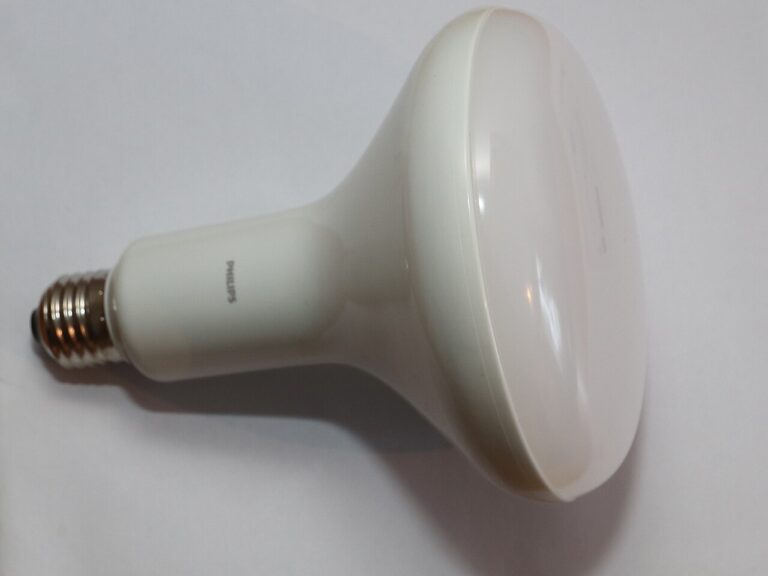
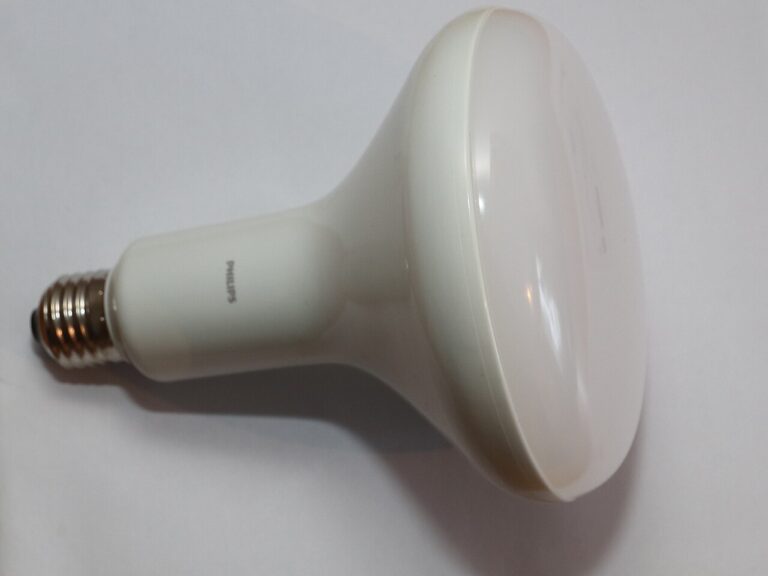
| SANSI 24W LED Grow Light Bulb | Single plant/small area | $ | Simple bulb replacement for existing lamps |
Ultimately, the best grow light is one sized appropriately for your growing area, with a spectrum suited to vegetative growth, and hardware that makes it easy to maintain the right distance as your seedlings mature.
This article may contain affiliate links. If you purchase a product through one of these links, Plantgecko may earn a commission at no extra cost to you. This never influences our editorial independence or which products we recommend.